AI Overview
Chronic pain is often closely linked to long-term inflammation in the body, which can damage tissues, joints, and nerves over time. While medications may temporarily relieve symptoms, diet plays a powerful role in controlling inflammation and supporting the body’s natural healing process. Research shows that foods rich in antioxidants, omega-3 fatty acids, fiber, and polyphenols can help calm inflammation and reduce painful flare-ups.
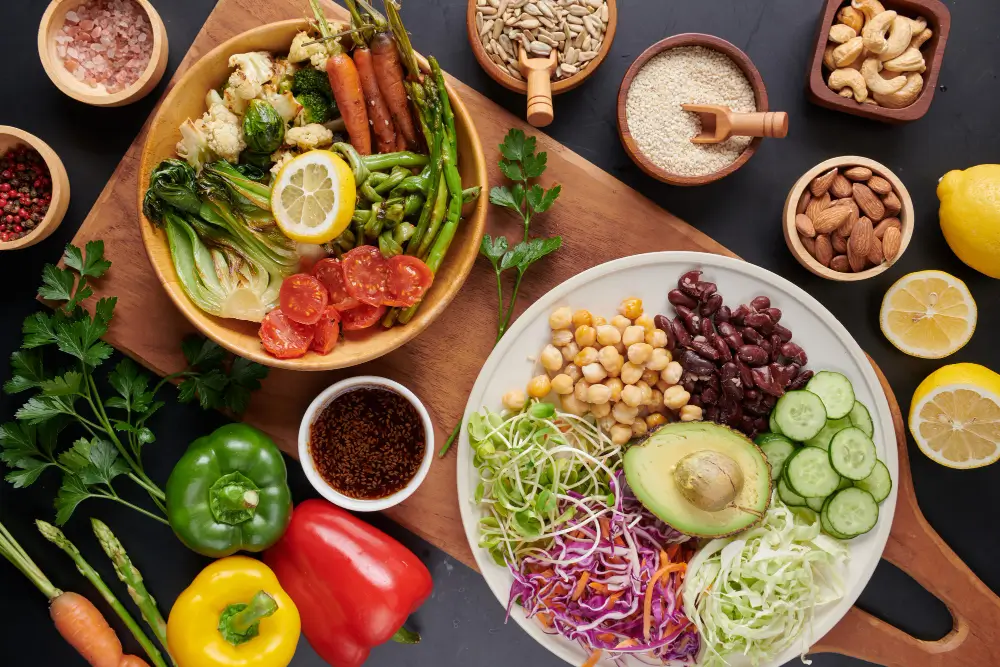
An anti-inflammatory diet focuses on whole, nutrient-dense foods such as vegetables, fruits, fatty fish, nuts, seeds, olive oil, and whole grains while limiting processed foods, refined sugar, and unhealthy fats. This dietary pattern is similar to the Mediterranean diet, which has been associated with lower inflammation and improved overall health.
At Patients Medical, integrative physicians often incorporate personalized anti-inflammatory nutrition plans into chronic pain treatment programs. These plans emphasize eliminating inflammatory trigger foods and adding nutrient-rich foods that support cellular repair, immune balance, and reduced inflammation.
By combining targeted nutrition, lifestyle changes, and integrative therapies, patients may experience reduced pain, improved mobility, and better long-term health without relying solely on pain medications.
Understanding the Link Between Diet and Chronic Pain
Chronic pain is defined as pain that persists for more than three months and may be caused by conditions such as arthritis, nerve damage, autoimmune diseases, or injuries.
One of the major drivers of chronic pain is persistent inflammation. While inflammation is a natural defense mechanism, long-term inflammation can damage healthy tissues and worsen pain symptoms.
Diet significantly influences inflammation levels. Foods high in sugar, refined carbohydrates, and processed fats can trigger inflammatory responses, while nutrient-rich whole foods help regulate the immune system and reduce inflammation.
Adopting an anti-inflammatory diet may therefore help relieve chronic pain by:
- Lowering inflammatory markers in the body
- Supporting immune system balance
- Improving gut health
- Promoting tissue repair and recovery
Studies have shown that increasing anti-inflammatory food intake while reducing pro-inflammatory foods can improve quality of life, sleep, and pain levels in people with chronic pain conditions.
Core Principles of an Anti-Inflammatory Diet
A successful anti-inflammatory diet focuses on whole foods that nourish the body and reduce inflammation.
Key principles include:
1. Eat Whole, Nutrient-Dense Foods
Choose foods that are minimally processed and rich in vitamins, minerals, and antioxidants.
2. Focus on Healthy Fats
Healthy fats such as omega-3 fatty acids help regulate inflammation and support joint health.
3. Increase Fiber Intake
Fiber supports gut health and reduces inflammatory responses.
4. Avoid Pro-Inflammatory Foods
Limit refined sugars, processed meats, fried foods, and artificial additives.
5. Maintain Balanced Meals
Eating a balanced combination of vegetables, healthy proteins, and whole grains helps stabilize blood sugar and reduce inflammation.
Best Anti-Inflammatory Foods for Chronic Pain Relief
1. Fatty Fish Rich in Omega-3
Fatty fish such as salmon, sardines, and mackerel are among the best anti-inflammatory foods. They contain omega-3 fatty acids that help regulate immune responses and reduce inflammation in joints and tissues.
Regular consumption of fatty fish may help reduce symptoms of arthritis and other inflammatory conditions.
2. Fruits and Berries
Fruits like blueberries, strawberries, cherries, and apples are rich in antioxidants called polyphenols, which help neutralize harmful free radicals and reduce inflammation.
Berries are particularly beneficial because they contain anthocyanins that protect cells and support immune health.
3. Leafy Green Vegetables
Dark leafy greens such as spinach, kale, and Swiss chard are packed with vitamins, minerals, and plant compounds that help protect the body from chronic inflammation.
These vegetables also provide magnesium, a mineral that supports muscle and nerve function.
4. Nuts and Seeds
Nuts and seeds—including walnuts, flaxseeds, chia seeds, and almonds—contain healthy fats, fiber, and antioxidants that help reduce inflammation.
They are also excellent sources of plant-based omega-3 fatty acids.
5. Olive Oil
Extra virgin olive oil is a staple of the Mediterranean diet and contains oleocanthal, a compound known for its natural anti-inflammatory properties.
Replacing butter or processed oils with olive oil can help reduce inflammation and support heart health.
6. Whole Grains
Whole grains such as brown rice, quinoa, and oats provide fiber and essential nutrients that support digestion and immune function.
High-fiber diets are associated with reduced inflammatory markers in the body.
7. Anti-Inflammatory Herbs and Spices
Certain herbs and spices are known for their powerful anti-inflammatory effects, including:
- Turmeric (curcumin)
- Ginger
- Garlic
- Cinnamon
These natural compounds may help block inflammatory pathways and reduce joint pain.
Foods to Avoid for Chronic Pain
Just as some foods reduce inflammation, others can make chronic pain worse.
Common pro-inflammatory foods include:
- Processed foods and fast food
- Sugary drinks and desserts
- White bread and refined carbohydrates
- Processed meats
- Deep-fried foods
These foods can increase inflammatory chemicals in the body and worsen chronic pain symptoms.
Sample One-Day Anti-Inflammatory Meal Plan
Breakfast
- Oatmeal topped with blueberries and chia seeds
- Green tea
Lunch
- Grilled salmon with quinoa and roasted vegetables
- Olive oil and lemon dressing
Snack
-
Apple slices with almond butter
Dinner
- Grilled chicken or lentils
- Steamed spinach and sweet potatoes
- Mixed green salad with olive oil
Evening Drink
-
Turmeric or ginger tea
This balanced meal plan provides antioxidants, healthy fats, and fiber that help reduce inflammation and support long-term pain management.
Additional Lifestyle Tips to Support an Anti-Inflammatory Diet
Diet works best when combined with other healthy lifestyle habits.
To maximize pain relief:
- Stay physically active with gentle exercise
- Maintain a healthy body weight
- Get adequate sleep
- Manage stress through meditation or yoga
- Stay hydrated throughout the day
Together, these habits help regulate inflammation and improve overall health.
How Integrative Medicine Supports Nutrition-Based Pain Relief
At Patients Medical, anti-inflammatory nutrition is often combined with other integrative treatments to address the root causes of chronic pain.
Physicians may recommend:
- Functional nutrition plans
- Nutritional testing
- IV nutrient therapy
- Herbal supplementation
- Gut health support
These personalized programs focus on correcting nutritional deficiencies, balancing hormones, and reducing systemic inflammation to improve long-term health.
The Goal: Long-Term Relief Through Nutrition
Chronic pain can significantly affect daily life, but dietary changes offer a powerful and natural way to support healing.
By adopting an anti-inflammatory diet rich in whole foods, healthy fats, and antioxidants, many people experience:
- Reduced inflammation
- Improved joint mobility
- Better energy levels
- Reduced pain flare-ups
When combined with integrative medical care, nutrition can play a vital role in achieving sustainable chronic pain relief and improved quality of life.
Take the First Step Toward Chronic Pain Relief
If chronic pain is affecting your quality of life, an integrative approach that includes personalized nutrition may help you achieve long-term relief.
The experienced medical team at Patients Medical specializes in root-cause medicine and customized treatment plans designed to reduce inflammation and restore health.
Call: (212) 794-8800
Email: info@patientsmedical.com
Schedule your consultation today and discover how integrative medicine and personalized nutrition can help you regain comfort, mobility, and vitality.
Frequently Asked Questions
Q. What is the best diet for chronic pain relief?
Ans. An anti-inflammatory diet rich in vegetables, fruits, whole grains, healthy fats, and omega-3 fatty acids is considered one of the most effective dietary approaches for managing chronic pain.
Q. Can diet really reduce chronic pain?
Ans. Yes. Research suggests that reducing inflammatory foods and increasing nutrient-dense foods can lower inflammation and improve pain symptoms in many chronic conditions.
Q. Which foods should be avoided with chronic pain?
Ans. Processed foods, refined sugar, fried foods, processed meats, and sugary drinks can increase inflammation and worsen pain.
Q. How long does it take for an anti-inflammatory diet to work?
Ans. Some people notice improvements within a few weeks, but consistent dietary changes over several months usually provide the best results.
Q. Is the Mediterranean diet good for chronic pain?
Ans. Yes. The Mediterranean diet emphasizes anti-inflammatory foods like olive oil, fish, fruits, vegetables, and whole grains, which can help reduce inflammation and support overall health.

Dr. Kulsoom Baloch
Dr. Kulsoom Baloch is a dedicated donor coordinator at Egg Donors, leveraging her extensive background in medicine and public health. She holds an MBBS from Ziauddin University, Pakistan, and an MPH from Hofstra University, New York. With three years of clinical experience at prominent hospitals in Karachi, Pakistan, Dr. Baloch has honed her skills in patient care and medical research.
- Dr. Kulsoom Baloch

- Dr. Kulsoom Baloch

- Dr. Kulsoom Baloch

- Dr. Kulsoom Baloch