AI Overview
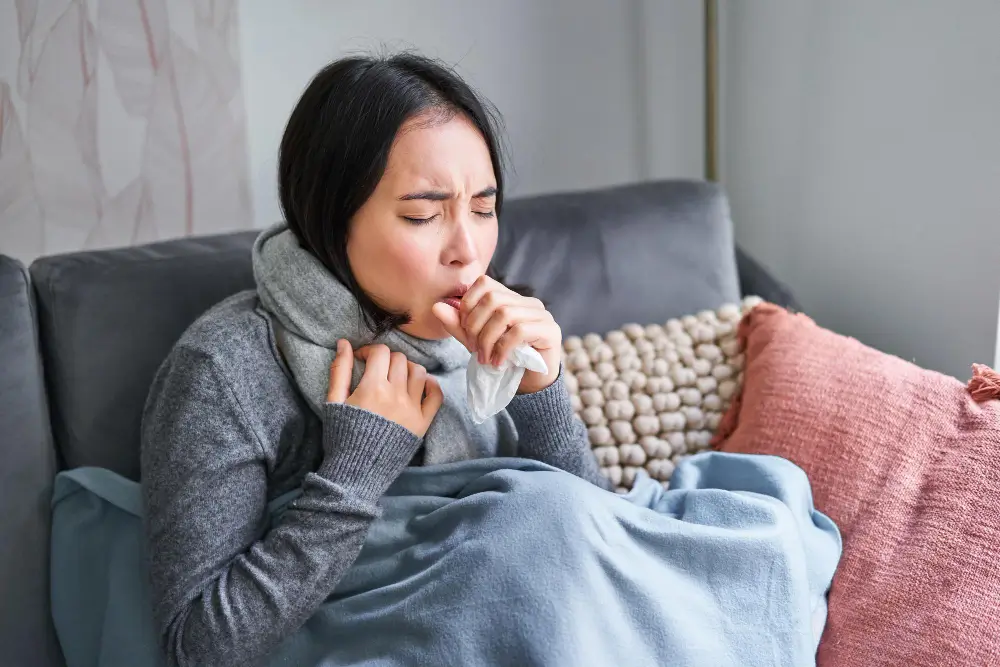
Cold-induced asthma occurs when exposure to cold, dry air or winter-related triggers causes airway inflammation and narrowing, leading to asthma symptoms such as coughing, wheezing, and shortness of breath. Cold weather can dry out and irritate the airways, increase mucus production, and make individuals more sensitive to allergens and infections. Proper management—including avoiding triggers, using prescribed medications, and protecting the airways—can help prevent flare-ups and maintain respiratory health.
For many people, cold weather brings more than just chilly temperatures—it can also trigger breathing difficulties. If you notice coughing, wheezing, or shortness of breath when stepping बाहर in cold air, you may be experiencing cold-induced asthma.
This condition is especially common during winter months, when cold air, respiratory infections, and indoor allergens combine to aggravate asthma symptoms. Understanding the causes, symptoms, and treatment options can help you manage this condition effectively and avoid serious complications.
What is Cold-Induced Asthma?
Cold-induced asthma is a form of asthma where symptoms are triggered or worsened by exposure to cold, dry air. When you inhale cold air, your airways can become irritated, inflamed, and narrowed, making it harder to breathe.
This condition is not a separate disease but rather a trigger-based response in individuals with sensitive airways.
Common Symptoms of Cold-Induced Asthma
Cold-induced asthma causes symptoms similar to general asthma, but they are often triggered or worsened by cold exposure.
Key Symptoms Include:
- Persistent coughing (especially in cold air)
- Wheezing (whistling sound while breathing)
- Shortness of breath
- Chest tightness or discomfort
- Increased mucus production
These symptoms may begin shortly after exposure to cold air and improve in warmer environments.
What Causes Cold-Induced Asthma?
Several environmental and physiological factors contribute to cold-induced asthma.
1. Cold, Dry Air
Cold air lacks moisture, which can dry out the airway lining. This leads to irritation, inflammation, and narrowing of the airways.
2. Airway Inflammation and Sensitivity
In people with asthma, the airways are already sensitive. Cold air further increases this sensitivity, making them react more strongly to triggers.
3. Increased Mucus Production
Cold weather can cause the body to produce thicker mucus, which can block airways and worsen breathing.
4. Respiratory Infections
Colds and flu are more common in winter and are major triggers for asthma attacks.
5. Indoor Allergens
During colder months, people spend more time indoors, increasing exposure to dust, mold, and pet dander—common asthma triggers.
Who is at Risk?
Certain groups are more likely to experience cold-induced asthma symptoms:
- People with pre-existing asthma
- Children and older adults
- Individuals with allergies
- Those exposed to air pollution or smoke
Cold air combined with pollution can further worsen respiratory conditions and increase asthma flare-ups.
How is Cold-Induced Asthma Diagnosed?
Diagnosing cold-induced asthma involves identifying patterns and triggers.
Doctors May Use:
- Medical history and symptom tracking
- Lung function tests (spirometry)
- Cold-air or exercise challenge tests
A noticeable drop in lung function after cold exposure can confirm the condition.
Treatment Options for Cold-Induced Asthma
1. Quick-Relief Medications
Short-acting bronchodilators (rescue inhalers) help open airways quickly during an asthma attack.
2. Long-Term Control Medications
Inhaled corticosteroids reduce airway inflammation and help prevent symptoms when used regularly.
3. Avoiding Triggers
Limiting exposure to cold air and allergens is essential for preventing flare-ups.
4. Warm Air Techniques
- Cover your mouth and nose with a scarf
- Breathe through your nose to warm the air
- Use humidifiers indoors to add moisture
These steps help reduce airway irritation.
5. Managing Infections
Preventing colds and flu through hygiene and vaccination can reduce asthma flare-ups.
Lifestyle Tips to Prevent Cold-Induced Asthma
1. Limit Cold Exposure
Avoid spending long periods outdoors in extremely cold weather.
2. Dress Warmly
Cover your face and chest to protect your lungs from cold air.
3. Exercise Indoors
Cold air combined with physical activity can worsen symptoms, so indoor workouts are safer during winter.
4. Maintain Indoor Air Quality
Use air purifiers and keep your home clean to reduce allergens.
5. Follow Your Asthma Action Plan
Take medications as prescribed and monitor your symptoms regularly.
When to Seek Medical Help
Cold-induced asthma can become serious if not properly managed.
Contact a Doctor If You Experience:
- Severe shortness of breath
- Frequent asthma attacks
- Symptoms that do not improve with medication
- Difficulty speaking due to breathlessness
Prompt treatment can prevent complications and improve quality of life.
Functional Medicine Approach
At Patients Medical, the focus is on identifying root causes and treating the body holistically.
This May Include:
- Reducing inflammation naturally
- Strengthening immune function
- Identifying environmental triggers
- Personalized nutrition and lifestyle changes
This integrative approach helps improve long-term asthma control and overall wellness.
Conclusion
Cold-induced asthma is a common but manageable condition. Cold, dry air, infections, and indoor allergens can all contribute to worsening symptoms during winter. Recognizing the triggers and taking preventive steps can help you stay symptom-free and breathe easier.
With proper treatment, lifestyle adjustments, and personalized care, you can effectively manage cold-induced asthma and maintain a healthy, active life.
FAQs
Q. What is cold-induced asthma?
Ans. It is asthma triggered by exposure to cold, dry air that irritates and narrows the airways.
Q. Why does cold air trigger asthma?
Ans. Cold air is dry and can inflame airways, increase mucus, and cause airway constriction.
Q. How can I prevent asthma attacks in cold weather?
Ans. Wear a scarf, use medications as prescribed, avoid cold exposure, and maintain indoor humidity.
Q. Can cold-induced asthma be cured?
Ans. There is no cure, but it can be effectively managed with proper treatment and lifestyle changes.
Q. When should I see a doctor?
Ans. If symptoms worsen, persist, or do not respond to treatment, seek medical care immediately.
Struggling with asthma symptoms in cold weather? Get expert care today. Call (212) 794-8800 or email info@patientsmedical.com to schedule your personalized consultation now.

Dr. Kulsoom Baloch
Dr. Kulsoom Baloch is a dedicated donor coordinator at Egg Donors, leveraging her extensive background in medicine and public health. She holds an MBBS from Ziauddin University, Pakistan, and an MPH from Hofstra University, New York. With three years of clinical experience at prominent hospitals in Karachi, Pakistan, Dr. Baloch has honed her skills in patient care and medical research.
- Dr. Kulsoom Baloch

- Dr. Kulsoom Baloch

- Dr. Kulsoom Baloch

- Dr. Kulsoom Baloch