AI Overview
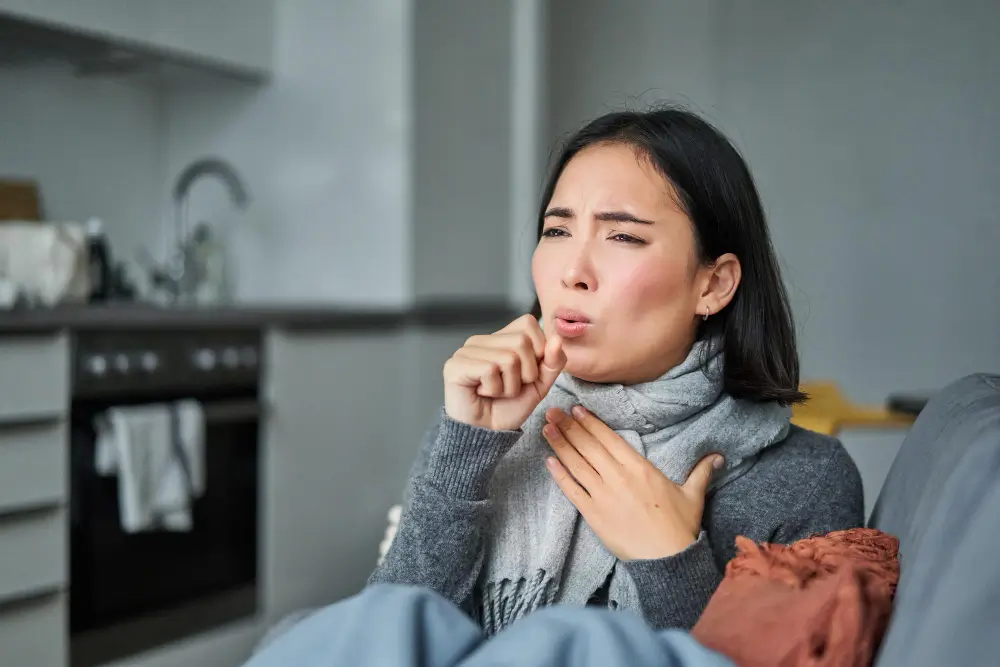
Cold and flu season can be especially challenging for people with asthma. Respiratory infections, cold air, and increased indoor allergens can trigger airway inflammation, leading to coughing, wheezing, and asthma attacks. The key to staying healthy is prevention—vaccination, proper hygiene, medication adherence, and avoiding triggers. With the right strategies and early intervention, you can significantly reduce flare-ups and maintain control over your asthma during high-risk seasons.
For individuals with asthma, the cold and flu season is more than just a time for sniffles—it’s a period of increased risk for breathing difficulties and asthma flare-ups.
Viruses like the flu and common cold can inflame the airways, making asthma symptoms worse and harder to control. Combined with cold weather and indoor allergens, this creates a perfect storm for respiratory issues.
The good news? With the right knowledge and proactive care, you can protect your lungs and navigate the season safely.
Why Cold and Flu Season Worsens Asthma
During colder months, several factors come together to aggravate asthma symptoms:
1. Increased Viral Infections
Colds, flu, RSV, and other respiratory viruses are more common during winter and can trigger asthma attacks by increasing airway inflammation.
2. Cold, Dry Air
Cold air lacks moisture and can irritate the airways, leading to tightening and inflammation—common triggers for asthma symptoms.
3. Indoor Allergens
Spending more time indoors increases exposure to dust mites, mold, and pet dander, which can worsen asthma.
4. Weakened Immune Defense
When your body is fighting infections, asthma symptoms can become more severe and last longer.
Expert Tips to Manage Asthma During Cold and Flu Season
1. Get Vaccinated
Vaccination is one of the most effective ways to prevent serious respiratory infections.
- Annual flu vaccine
- Pneumonia vaccine (if recommended)
People with asthma are at higher risk of complications from infections like the flu, making vaccination essential.
2. Practice Strong Hygiene Habits
Preventing infections starts with simple daily habits:
- Wash hands frequently
- Use hand sanitizer
- Avoid touching your face
- Cover coughs and sneezes
These steps significantly reduce the spread of viruses.
3. Avoid Sick Contacts and Crowded Spaces
Stay away from individuals who are sick and avoid crowded indoor environments during peak infection times.
Viruses spread easily through close contact and shared surfaces.
4. Follow Your Asthma Action Plan
Your asthma action plan is your most important tool.
It should include:
- Daily medications
- Symptom monitoring
- Emergency steps
Following your plan helps prevent flare-ups and ensures quick action if symptoms worsen.
5. Take Medications as Prescribed
Consistency is key in asthma management.
- Use controller inhalers regularly
- Keep rescue inhalers accessible
- Never stop medications without medical advice
Proper medication use keeps inflammation under control and reduces the risk of severe attacks.
6. Protect Yourself from Cold Air
Cold air can trigger asthma symptoms instantly.
Tips to Stay Safe:
- Cover your mouth and nose with a scarf
- Breathe through your nose to warm the air
- Limit outdoor exposure in extreme cold
These strategies help reduce airway irritation.
7. Improve Indoor Air Quality
Since you spend more time indoors during winter, maintaining clean air is essential.
What You Can Do:
- Use air purifiers
- Clean and vacuum regularly
- Change HVAC filters
- Reduce mold and dust buildup
Improved air quality reduces triggers and supports lung health.
8. Exercise Smartly
Physical activity is important, but cold air can worsen symptoms.
- Exercise indoors during extreme weather
- Warm up properly before activity
- Consult your doctor if exercise triggers symptoms
Indoor workouts are often safer during winter months.
9. Strengthen Your Immune System
A strong immune system helps your body fight infections more effectively.
Focus on:
- Balanced nutrition
- Hydration
- Adequate sleep
- Stress management
Healthy habits can reduce illness severity and frequency.
10. Monitor Symptoms Closely
Early detection can prevent severe asthma attacks.
Watch for:
- Increased coughing
- Wheezing
- Shortness of breath
- Reduced peak flow readings
Tracking symptoms daily helps you take action before they worsen.
What to Do If You Get Sick
Even with precautions, infections can still occur.
Take These Steps:
- Follow your asthma action plan
- Use medications as directed
- Rest and stay hydrated
- Monitor lung function
If symptoms worsen, contact your healthcare provider early for guidance.
When to Seek Medical Help
Seek immediate care if you experience:
- Severe shortness of breath
- Difficulty speaking due to breathlessness
- Symptoms not improving with medication
- Signs of complications like pneumonia
Prompt treatment can prevent serious health risks.
Functional Medicine Approach
At Patients Medical, asthma care focuses on identifying root causes and improving overall health.
This May Include:
- Reducing inflammation naturally
- Identifying environmental triggers
- Strengthening immune function
- Personalized treatment plans
This holistic approach helps reduce flare-ups and improve long-term outcomes.
Conclusion
Managing asthma during cold and flu season requires a proactive and consistent approach. From vaccination and hygiene to medication and lifestyle changes, each step plays a critical role in protecting your lungs.
By staying prepared and informed, you can minimize risks, prevent flare-ups, and maintain control over your asthma—even during the most challenging times of the year.
FAQs
Q. Why is asthma worse during cold and flu season?
Ans. Because viral infections, cold air, and indoor allergens increase airway inflammation and trigger symptoms.
Q. Should asthma patients get a flu shot?
Ans. Yes, it helps prevent infections and reduces the risk of severe asthma complications.
Q. How can I prevent asthma attacks during winter?
Ans. Follow your asthma plan, avoid triggers, practice hygiene, and take medications regularly.
Q. Can cold air trigger asthma symptoms?
Ans. Yes, cold and dry air can irritate airways and cause asthma flare-ups.
Q. When should I see a doctor?
Ans. If symptoms worsen, don’t improve with medication, or include breathing difficulties, seek medical help immediately.
Take control of your asthma this cold and flu season. Call (212) 794-8800 or email info@patientsmedical.com today to schedule your personalized consultation and breathe easier.

Dr. Kulsoom Baloch
Dr. Kulsoom Baloch is a dedicated donor coordinator at Egg Donors, leveraging her extensive background in medicine and public health. She holds an MBBS from Ziauddin University, Pakistan, and an MPH from Hofstra University, New York. With three years of clinical experience at prominent hospitals in Karachi, Pakistan, Dr. Baloch has honed her skills in patient care and medical research.
- Dr. Kulsoom Baloch

- Dr. Kulsoom Baloch

- Dr. Kulsoom Baloch

- Dr. Kulsoom Baloch