AI Overview
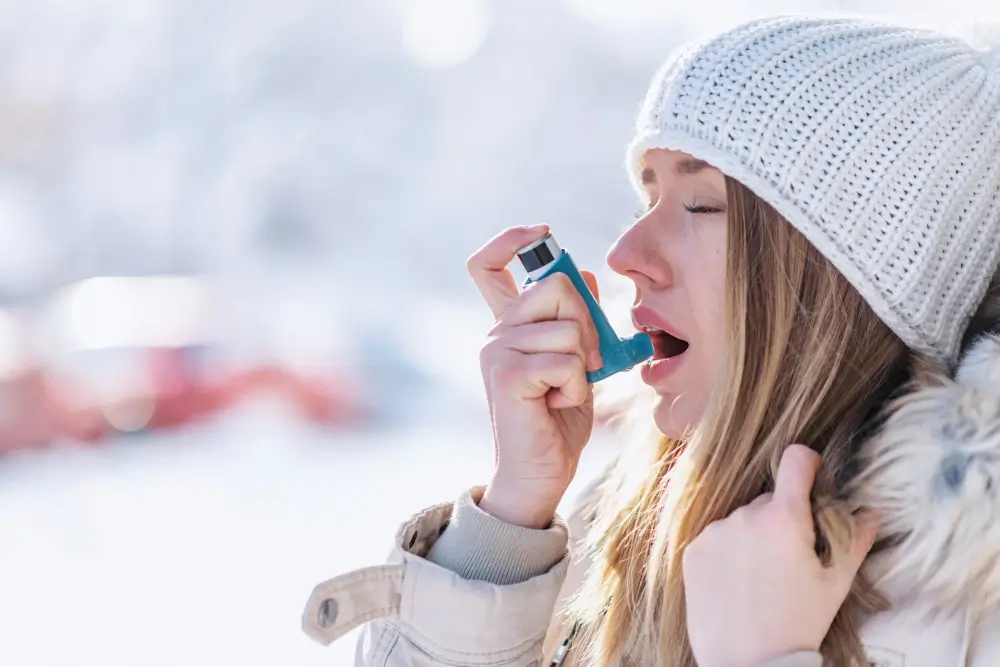
Cold weather is a common trigger for asthma attacks because cold, dry air irritates the airways, causing them to tighten and become inflamed. This can lead to coughing, wheezing, and shortness of breath. In addition, winter brings increased exposure to respiratory infections and indoor allergens, further raising the risk of flare-ups. The best prevention strategies include protecting your airways from cold air, following your asthma treatment plan, maintaining indoor air quality, and strengthening your immune system. With proper care, asthma symptoms during cold weather can be effectively controlled.
For many people, winter is a cozy season—but for those with asthma, it can be one of the most challenging times of the year. Stepping outside into cold air or even staying indoors with dry heating systems can trigger uncomfortable and sometimes dangerous asthma symptoms.
If you notice increased coughing, wheezing, or shortness of breath during colder months, you’re not alone. Cold weather is a well-known asthma trigger. The good news is that with the right strategies, you can prevent asthma attacks and breathe easier—even in winter.
Why Cold Weather Triggers Asthma Attacks
Cold weather affects your respiratory system in several ways:
1. Cold, Dry Air Irritates Airways
Cold air contains less moisture, which can dry out and irritate your airways. This leads to inflammation and narrowing, making breathing difficult.
2. Airway Constriction (Bronchospasm)
When cold air enters the lungs, it can cause the muscles around the airways to tighten, triggering symptoms like wheezing and chest tightness.
3. Increased Respiratory Infections
Colds and flu are more common in winter and are major triggers for asthma attacks.
4. Indoor Triggers
Spending more time indoors increases exposure to:
- Dust mites
- Mold
- Pet dander
These allergens can worsen asthma symptoms.
Best Ways to Prevent Asthma Attacks in Cold Weather
1. Cover Your Mouth and Nose Outdoors
One of the simplest and most effective strategies is to wear a scarf or mask when outside.
- Warms the air before it reaches your lungs
- Reduces airway irritation
- Prevents sudden asthma symptoms
This small step can significantly lower your risk of flare-ups.
2. Breathe Through Your Nose
Your nose naturally warms and humidifies the air before it reaches your lungs.
- Reduces exposure to cold, dry air
- Helps prevent airway irritation
Avoid mouth breathing when outdoors in cold weather.
3. Limit Exposure to Extreme Cold
Try to avoid prolonged outdoor activities during very cold or windy conditions.
- Stay indoors during extreme weather
- Plan outdoor activities during warmer parts of the day
Reducing exposure lowers the chances of triggering symptoms.
4. Use a Humidifier Indoors
Indoor heating systems can dry out the air, making asthma symptoms worse.
- Use a humidifier to add moisture
- Keep humidity levels balanced
- Clean devices regularly to prevent mold
Moist air helps soothe the airways and improve breathing.
5. Follow Your Asthma Medication Plan
Taking medications as prescribed is critical during winter.
- Use daily controller inhalers
- Keep rescue inhalers accessible
- Do not skip doses, even if you feel well
Consistent medication use reduces inflammation and prevents flare-ups.
6. Prevent Respiratory Infections
Respiratory infections are a major trigger for asthma attacks.
Protect Yourself By:
- Washing hands frequently
- Avoiding sick individuals
- Wearing masks in crowded places
- Getting flu and pneumonia vaccines
Prevention reduces the risk of severe asthma complications.
7. Maintain Indoor Air Quality
Since you spend more time indoors during winter, your home environment matters.
Tips:
- Clean regularly to reduce dust
- Use HEPA filters
- Wash bedding frequently
- Avoid smoke exposure
Cleaner air means fewer asthma triggers.
8. Exercise Smartly
Physical activity is important—but cold air can worsen symptoms.
- Exercise indoors when possible
- Warm up before going outside
- Avoid intense activity in freezing temperatures
Warming up helps your lungs adjust to colder conditions.
9. Stay Warm and Dress in Layers
Keeping your body warm helps reduce respiratory stress.
- Wear layered clothing
- Protect your chest and neck
- Avoid sudden temperature changes
Warmth supports better breathing and overall comfort.
10. Avoid Smoke and Pollution
Smoke and polluted air can worsen asthma symptoms, especially in winter.
- Avoid fireplaces and wood smoke
- Stay away from polluted areas
- Monitor air quality levels
Reducing exposure helps protect your lungs.
11. Strengthen Your Immune System
A strong immune system helps prevent infections that can trigger asthma.
Focus On:
- Healthy diet
- Adequate sleep
- Hydration
- Stress management
Good overall health supports better asthma control.
12. Have an Asthma Action Plan
A personalized asthma plan helps you respond quickly to symptoms.
It Should Include:
- Daily medication routine
- Early warning signs
- Emergency steps
Being prepared can prevent mild symptoms from becoming severe.
What to Do If Symptoms Start
Even with precautions, symptoms can occur.
Take Immediate Steps:
- Use your rescue inhaler
- Move to a warm environment
- Avoid further cold exposure
- Monitor your breathing
Early action can prevent a full asthma attack.
When to Seek Medical Help
Seek immediate medical attention if you experience:
- Severe shortness of breath
- Difficulty speaking
- Symptoms not improving with medication
- Frequent asthma attacks
Prompt care is essential for preventing complications.
Functional Medicine Approach
At Patients Medical, asthma care focuses on identifying root causes and improving overall health.
This May Include:
- Reducing inflammation naturally
- Identifying environmental triggers
- Strengthening immune function
- Personalized lifestyle and nutrition plans
This integrative approach helps prevent flare-ups and improve long-term outcomes.
Conclusion
Cold weather can be a powerful trigger for asthma, but it doesn’t have to control your life. By taking proactive steps—like protecting your airways, maintaining indoor air quality, and following your treatment plan—you can significantly reduce your risk of asthma attacks.
With the right strategies and awareness, you can stay healthy, active, and comfortable throughout the colder months.
FAQs
Q. Why does cold weather trigger asthma attacks?
Ans. Cold, dry air irritates and narrows the airways, leading to inflammation and breathing difficulty.
Q. How can I protect my lungs in cold weather?
Ans. Wear a scarf, breathe through your nose, and limit exposure to cold air.
Q. Should I exercise in cold weather if I have asthma?
Ans. It’s better to exercise indoors or warm up properly before outdoor activity.
Q. Can a humidifier help with asthma in winter?
Ans. Yes, it adds moisture to dry air and helps reduce airway irritation.
Q. When should I see a doctor?
Ans. If symptoms worsen, don’t improve with medication, or become severe, seek medical care immediately.
Don’t let cold weather trigger your asthma. Call (212) 794-8800 or email info@patientsmedical.com today to schedule your personalized consultation and breathe easier all year round.

Dr. Kulsoom Baloch
Dr. Kulsoom Baloch is a dedicated donor coordinator at Egg Donors, leveraging her extensive background in medicine and public health. She holds an MBBS from Ziauddin University, Pakistan, and an MPH from Hofstra University, New York. With three years of clinical experience at prominent hospitals in Karachi, Pakistan, Dr. Baloch has honed her skills in patient care and medical research.
- Dr. Kulsoom Baloch

- Dr. Kulsoom Baloch

- Dr. Kulsoom Baloch

- Dr. Kulsoom Baloch