AI Overview
Hair loss is often linked to nutritional deficiencies, lifestyle habits, and underlying health conditions. A balanced diet rich in protein, vitamins (A, B, C, D, E), iron, zinc, and omega-3 fatty acids plays a crucial role in maintaining healthy hair growth. Scientific evidence shows that deficiencies in nutrients like iron, biotin, and vitamin D can lead to thinning hair or excessive shedding.
Foods such as eggs, leafy greens, fatty fish, nuts, and fruits provide essential nutrients that strengthen hair follicles, improve scalp health, and reduce breakage. Instead of relying solely on supplements, focusing on a nutrient-rich diet is one of the most effective natural ways to prevent hair loss and promote thicker, healthier hair.
Why Nutrition Matters for Hair Health
Hair is primarily made of a protein called keratin, and your body needs proper nutrition to produce and maintain it. When your diet lacks essential nutrients, the hair growth cycle gets disrupted, leading to hair thinning, breakage, or hair loss.
Nutritional deficiencies—especially in iron, protein, biotin, and vitamins—are among the most common causes of hair fall.
A healthy diet ensures:
- Strong hair follicles
- Improved scalp circulation
- Reduced hair breakage
- Faster hair growth
Best Nutrients to Prevent Hair Loss
Protein for Hair Strength
Hair strands are made of protein, so inadequate protein intake can weaken hair and slow growth. Foods like eggs, fish, chicken, beans, and dairy help maintain strong and healthy hair.
Biotin (Vitamin B7) for Hair Growth
Biotin supports keratin production, which is essential for hair structure. While deficiency is rare, low levels can lead to thinning hair. Natural sources include eggs, nuts, whole grains, and vegetables.
Iron for Oxygen Supply
Iron helps red blood cells deliver oxygen to hair follicles. Low iron levels are strongly linked to hair loss, especially in women. Spinach, lentils, red meat, and beans are excellent sources.
Vitamin C for Collagen Production
Vitamin C boosts collagen production and improves iron absorption. It also protects hair follicles from oxidative stress. Fruits like berries, oranges, and peppers are rich in vitamin C.
Vitamin D for Follicle Health
Vitamin D plays a role in creating new hair follicles. Deficiency may contribute to hair thinning and slow growth. Sunlight exposure and foods like fatty fish can help maintain levels.
Omega-3 Fatty Acids for Scalp Health
Omega-3 fatty acids nourish hair follicles and reduce inflammation, promoting thicker and healthier hair. Found in fatty fish, flaxseeds, and walnuts.
Zinc for Hair Repair
Zinc supports hair tissue growth and repair. Deficiency can lead to hair shedding and scalp issues. Foods like seeds, nuts, and oysters are rich in zinc.
Top Foods to Prevent Hair Loss
Eggs
Rich in protein and biotin, eggs are one of the best foods for strengthening hair and promoting growth.
Spinach and Leafy Greens
Packed with iron, folate, and vitamins A and C, they support scalp health and hair growth.
Fatty Fish (Salmon, Mackerel)
High in omega-3 fatty acids and protein, they help maintain thick and shiny hair.
Berries
Loaded with antioxidants and vitamin C, they protect hair follicles and boost collagen production.
Nuts and Seeds
Provide vitamin E, zinc, and healthy fats that improve hair strength and shine.
Sweet Potatoes
Contain beta-carotene, which converts to vitamin A and helps maintain scalp health.
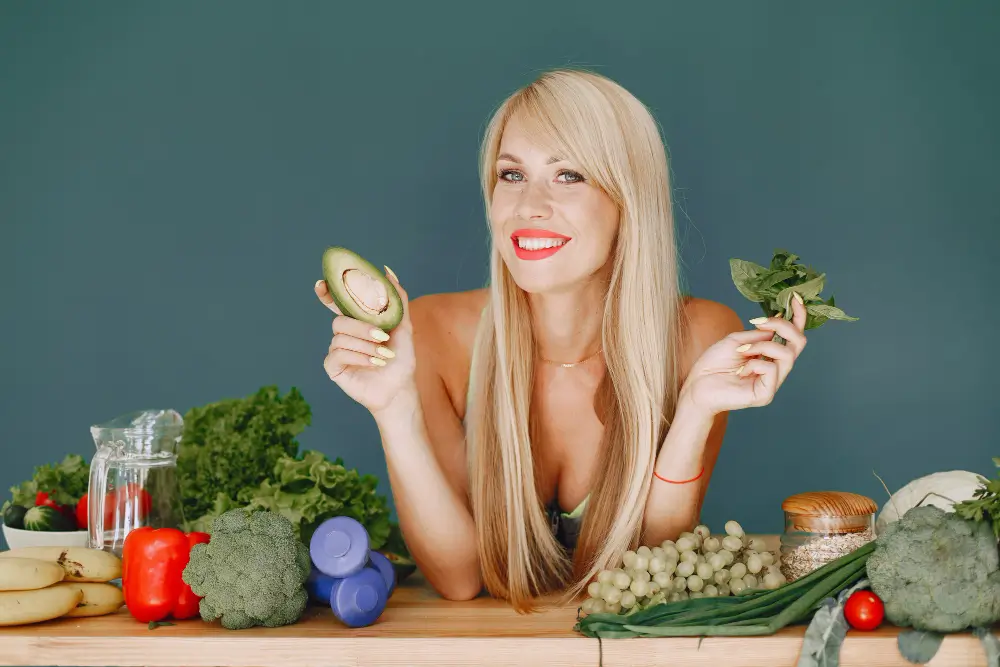
Avocados
Rich in healthy fats and vitamin E, they support scalp hydration and hair growth.
Foods to Avoid for Healthy Hair
While nutrition helps hair growth, certain foods can negatively impact hair health:
- Excess sugar (causes inflammation)
- Processed foods (low in nutrients)
- High-mercury fish
- Excess vitamin A supplements
Maintaining balance is key—too much or too little of certain nutrients can both lead to hair loss.
Diet Tips for Stronger Hair
- Eat a balanced diet with proteins, vitamins, and minerals
- Stay hydrated for better scalp health
- Avoid crash diets or extreme calorie restriction
- Include a variety of fruits, vegetables, and healthy fats
- Consult a specialist if hair loss persists
When to Seek Professional Help
If your hair loss is severe, sudden, or persistent despite a healthy diet, it may be due to hormonal imbalances, genetics, or medical conditions. In such cases, professional evaluation and advanced treatments may be necessary.
FAQs
Q. What is the best food for hair growth?
A. There is no single best food, but a balanced diet including eggs, spinach, fatty fish, and nuts provides essential nutrients for healthy hair growth.
Q. Can poor nutrition cause hair loss?
A. Yes, deficiencies in nutrients like iron, protein, and vitamins can disrupt the hair growth cycle and lead to hair loss.
Q. Does biotin help hair growth?
A. Biotin supports keratin production, but it mainly helps individuals with a deficiency rather than everyone.
Q. How long does diet take to improve hair health?
A. It may take 3–6 months of consistent healthy eating to see noticeable improvements in hair growth and strength.
Q. Should I take supplements for hair loss?
A. Supplements may help if you have deficiencies, but it’s best to consult a healthcare professional before starting them.
Take Control of Your Hair Health Today
Healthy hair starts from within. By improving your nutrition and addressing underlying causes, you can significantly reduce hair loss and promote stronger, thicker hair.
If you are experiencing ongoing hair thinning or hair loss, expert care can make a difference.
📞 Call now: (212) 794-8800
📧 Email: info@patientsmedical.com
Get personalized hair loss treatment and restore your confidence today!

Dr. Kulsoom Baloch
Dr. Kulsoom Baloch is a dedicated donor coordinator at Egg Donors, leveraging her extensive background in medicine and public health. She holds an MBBS from Ziauddin University, Pakistan, and an MPH from Hofstra University, New York. With three years of clinical experience at prominent hospitals in Karachi, Pakistan, Dr. Baloch has honed her skills in patient care and medical research.
- Dr. Kulsoom Baloch

- Dr. Kulsoom Baloch

- Dr. Kulsoom Baloch

- Dr. Kulsoom Baloch