AI Overview
The liver is one of the body’s most important detoxification organs, responsible for filtering toxins, processing nutrients, metabolizing medications, and supporting digestion. Although the liver naturally cleanses itself, certain foods rich in antioxidants, fiber, vitamins, and anti-inflammatory compounds may help support optimal liver function and reduce oxidative stress. Research suggests that foods such as leafy greens, cruciferous vegetables, garlic, berries, coffee, green tea, beets, olive oil, nuts, and fatty fish may help protect liver cells, support detoxification enzymes, and reduce inflammation. Rather than relying on extreme detox cleanses, experts recommend a nutrient-rich diet and healthy lifestyle habits to naturally support long-term liver health.
The liver works around the clock to keep the body healthy. It filters toxins from the bloodstream, processes nutrients, produces bile for digestion, regulates metabolism, and helps eliminate waste products. Because the liver performs hundreds of essential functions every day, maintaining liver health is critical for overall wellness and long-term vitality.
Modern lifestyles often place enormous stress on the liver. Processed foods, alcohol, environmental toxins, medications, pollution, stress, and unhealthy eating habits may increase inflammation and oxidative stress, potentially affecting liver function over time. Many people experience symptoms such as fatigue, bloating, sluggish digestion, brain fog, or low energy when their overall metabolic health declines.
Fortunately, nutrition plays a major role in supporting the liver naturally. While no single food can “detox” the liver instantly, research shows that certain nutrient-dense foods may help support liver detoxification pathways, reduce inflammation, and protect liver cells from damage.
Why Liver Health Matters
The liver is one of the body’s hardest-working organs. It performs more than 500 vital functions related to detoxification, metabolism, digestion, and hormone regulation.
Main Functions of the Liver
- Filters toxins and waste products
- Metabolizes fats, proteins, and carbohydrates
- Produces bile for digestion
- Stores vitamins and minerals
- Helps regulate blood sugar
- Processes medications and alcohol
- Supports hormone balance
Because the liver is involved in so many body systems, poor liver health may affect overall energy, digestion, immunity, and metabolic function.
Can Foods Really Detox the Liver?
Experts explain that the liver naturally detoxifies itself and does not require extreme cleanses or crash detox diets. However, healthy foods may support the liver’s normal detoxification processes and help reduce inflammation and oxidative stress.
A balanced diet rich in antioxidants, fiber, vitamins, minerals, and healthy fats may help the liver function more efficiently while protecting liver cells from long-term damage.
Leafy Green Vegetables for Natural Cleansing
Leafy greens are among the best foods for supporting liver health naturally.
Why Leafy Greens Help
Spinach, kale, arugula, parsley, and other greens contain chlorophyll, antioxidants, fiber, and phytonutrients that may help neutralize toxins and reduce oxidative stress.
Benefits of Leafy Greens
- Support natural detoxification pathways
- Provide antioxidant protection
- Support digestion and elimination
- Help reduce inflammation
- Support healthy metabolism
Adding greens to salads, smoothies, soups, or juices may help improve overall nutrient intake.
Cruciferous Vegetables and Detox Enzymes
Cruciferous vegetables are widely recognized for their role in supporting liver detoxification enzymes.
Best Cruciferous Vegetables
- Broccoli
- Brussels sprouts
- Cauliflower
- Cabbage
- Kale
These vegetables contain glucosinolates and sulforaphane, compounds associated with enhanced detoxification enzyme activity.
How They Support the Liver
Cruciferous vegetables may help:
- Activate liver detox enzymes
- Support toxin elimination
- Reduce oxidative stress
- Promote healthy digestion
Garlic for Liver Enzyme Activation
Garlic contains sulfur compounds and selenium that may help activate enzymes involved in detoxification.
Potential Benefits of Garlic
- Supports liver enzyme activity
- Helps reduce inflammation
- Provides antioxidant protection
- Supports immune health
Garlic may also help reduce oxidative stress associated with environmental toxins and poor dietary habits.
Berries for Antioxidant Protection
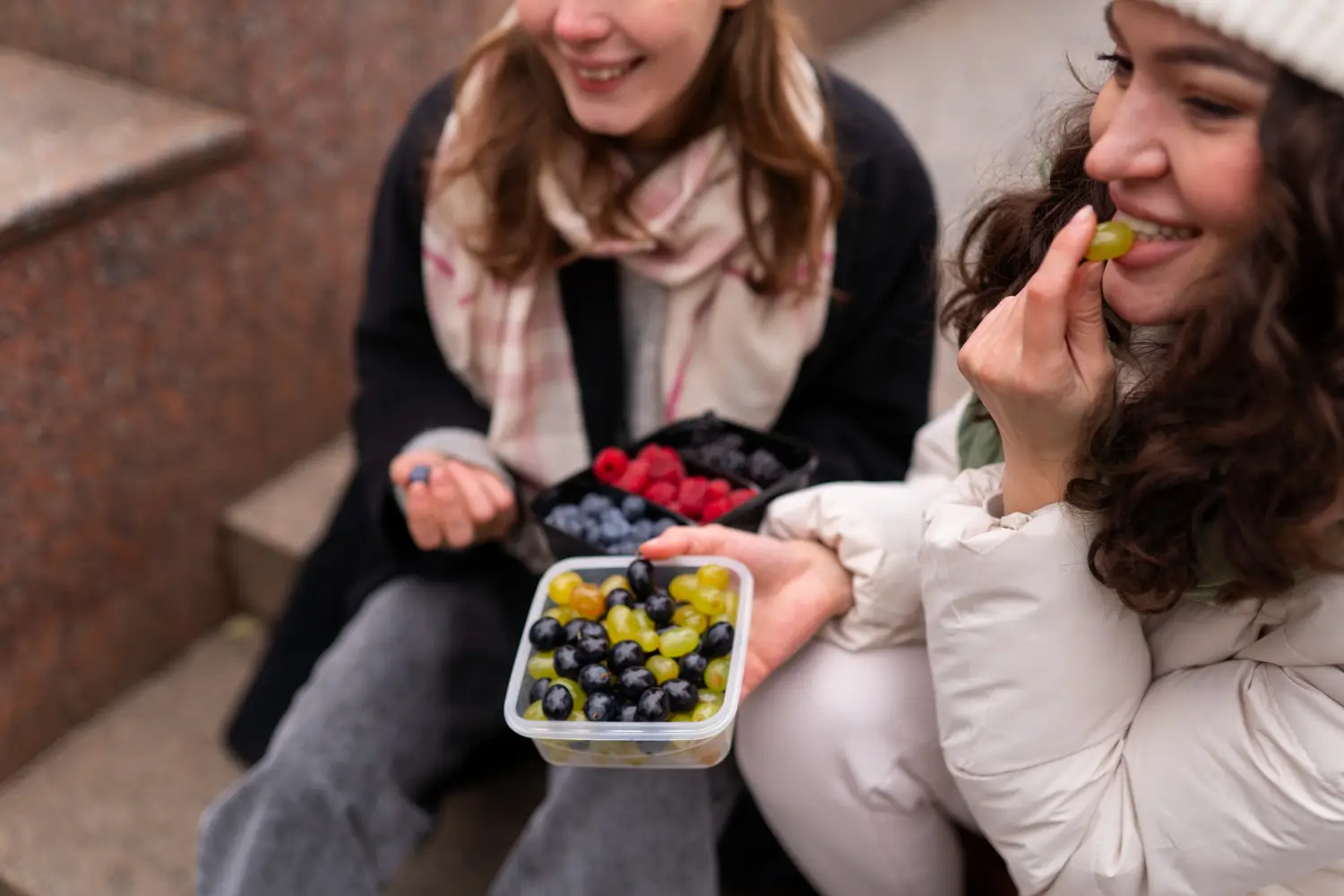
Blueberries, cranberries, raspberries, and strawberries are rich in antioxidants called anthocyanins.
Why Antioxidants Matter
Antioxidants help protect liver cells from oxidative stress caused by toxins, alcohol, inflammation, and environmental pollutants.
Benefits of Berries
- Help reduce inflammation
- Support healthy liver cells
- Provide immune support
- Promote overall metabolic wellness
Adding berries to smoothies, yogurt, or oatmeal is a simple way to increase antioxidant intake.
Beets and Liver Circulation
Beets are commonly recommended in functional medicine nutrition plans because they contain antioxidants and plant compounds that may support liver function and blood flow.
Benefits of Beets
- Support blood circulation
- Provide antioxidant compounds
- Help reduce oxidative stress
- Support detoxification pathways
Beets may be enjoyed roasted, blended into smoothies, or added to salads.
Coffee and Green Tea for Liver Support
Research suggests coffee and green tea may offer protective effects for liver health when consumed in moderation.
Coffee Benefits
Studies indicate coffee consumption may help:
- Support liver enzyme balance
- Reduce inflammation
- Lower liver disease risk
- Provide antioxidant protection
Green Tea Benefits
Green tea contains catechins, antioxidant compounds associated with liver protection and improved metabolic health.
Healthy Fats and Olive Oil
Healthy fats may help reduce inflammation and support metabolic balance.
Best Healthy Fat Sources
- Olive oil
- Avocados
- Nuts
- Seeds
- Fatty fish
Olive oil contains anti-inflammatory compounds and healthy monounsaturated fats that may support liver health.
Omega-3 Fatty Acids
Fatty fish such as salmon and sardines contain omega-3 fatty acids that may help reduce inflammation and support fat metabolism within the liver.
Citrus Fruits and Vitamin C
Lemons, oranges, grapefruits, and other citrus fruits are rich in vitamin C and antioxidants.
How Citrus Fruits Help
Vitamin C supports antioxidant defense systems and may assist the liver in processing toxins more efficiently.
Warm lemon water is commonly included in wellness routines to encourage hydration and digestive support.
High-Fiber Foods for Detoxification
Fiber supports healthy digestion and helps remove waste products through the intestines.
Fiber-Rich Foods
- Oats
- Apples
- Beans
- Lentils
- Vegetables
- Whole grains
Fiber may also help reduce fat accumulation and support metabolic balance.
Hydration and Liver Function
Water is essential for proper detoxification and metabolic health.
Benefits of Hydration
- Supports kidney filtration
- Helps eliminate waste products
- Supports digestion
- Helps regulate body temperature
- Supports circulation
Proper hydration helps the liver and kidneys work together efficiently.
Foods and Habits That Harm the Liver
Supporting liver health also involves reducing harmful dietary and lifestyle habits.
Foods to Limit
- Excess alcohol
- Sugary beverages
- Fried foods
- Processed snacks
- Excess saturated fats
- Fast food
Experts also recommend limiting smoking and environmental toxin exposure when possible.
Lifestyle Habits That Improve Liver Health
Nutrition works best when combined with healthy lifestyle practices.
Exercise Regularly
Exercise supports circulation, metabolism, and inflammation reduction.
Prioritize Sleep
Sleep supports repair, recovery, and metabolic function.
Manage Stress
Chronic stress may negatively affect digestion, hormones, and inflammation.
Reduce Toxic Exposure
Using filtered water, avoiding cigarette smoke, and limiting pesticides may help reduce toxic burden on the liver.
When to Seek Medical Evaluation
Persistent symptoms may indicate underlying liver dysfunction or other medical conditions requiring professional evaluation.
Consult a Healthcare Provider If You Experience
- Persistent fatigue
- Digestive issues
- Jaundice
- Chronic inflammation
- Brain fog
- Abdominal discomfort
- Suspected toxin exposure
Functional medicine approaches may include nutritional analysis, detoxification support, laboratory testing, and personalized wellness plans.
Frequently Asked Questions
Q. What are the best foods for liver detox?
Ans. Leafy greens, cruciferous vegetables, berries, garlic, beets, olive oil, coffee, green tea, nuts, and fatty fish are commonly recommended for liver support.
Q. Can food naturally cleanse the liver?
Ans. The liver naturally detoxifies itself, but healthy foods may support liver function and reduce inflammation.
Q. Is coffee good for liver health?
Ans. Research suggests moderate coffee consumption may help protect liver function and reduce liver disease risk.
Q. Do leafy greens help liver detoxification?
Ans. Yes. Leafy greens contain chlorophyll, antioxidants, and fiber that may support detoxification pathways.
Q. What foods should I avoid for better liver health?
Ans. Limiting alcohol, sugary beverages, fried foods, processed foods, and excessive saturated fats may help support liver wellness.
Support Your Liver and Improve Whole-Body Wellness
If you are struggling with fatigue, digestive discomfort, brain fog, inflammation, or concerns about toxin exposure, Patients Medical offers advanced functional medicine evaluations and personalized detoxification programs designed to support long-term liver health and overall wellness.
Our experienced medical team provides comprehensive testing, nutritional guidance, detox support, and individualized treatment plans tailored to your unique health needs.

Dr. Kulsoom Baloch
Dr. Kulsoom Baloch is a dedicated donor coordinator at Egg Donors, leveraging her extensive background in medicine and public health. She holds an MBBS from Ziauddin University, Pakistan, and an MPH from Hofstra University, New York. With three years of clinical experience at prominent hospitals in Karachi, Pakistan, Dr. Baloch has honed her skills in patient care and medical research.
- Dr. Kulsoom Baloch

- Dr. Kulsoom Baloch

- Dr. Kulsoom Baloch

- Dr. Kulsoom Baloch