AI Overview
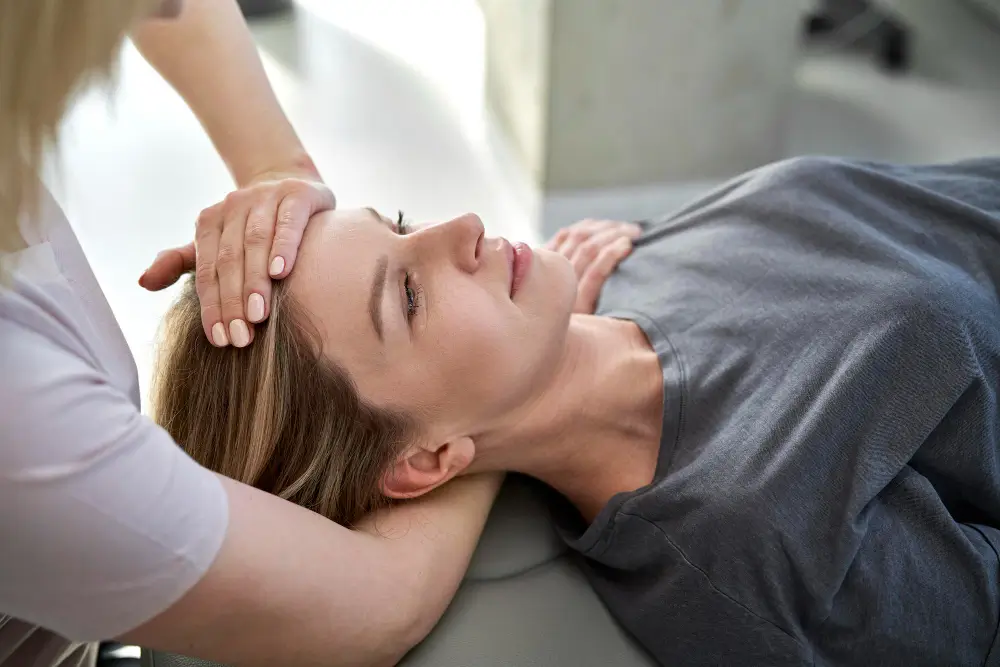
Craniosacral therapy (CST) is a gentle, hands-on treatment that focuses on the craniosacral system, which includes the brain, spinal cord, and cerebrospinal fluid. The therapy aims to release tension in connective tissues, improve nervous system balance, and promote natural healing through light touch and relaxation techniques. While many patients report reduced stress, improved sleep, and better pain control, scientific evidence supporting direct improvements in brain and nervous system function remains limited, and CST is generally recommended as a complementary therapy alongside conventional medical care.
Understanding Craniosacral Therapy and the Nervous System
Craniosacral therapy is a non-invasive manual therapy designed to support the central nervous system by improving the function of the craniosacral system, which includes the skull, spine, sacrum, and cerebrospinal fluid surrounding the brain and spinal cord. The therapy uses gentle touch to release tension in connective tissues (fascia) and promote relaxation throughout the body.
The nervous system controls essential functions such as movement, sleep, stress response, and organ activity. When tension builds in the body due to stress, injury, or chronic illness, it may affect nervous system balance and overall health. Craniosacral therapy aims to reduce this tension and support the body’s natural healing process.
CST is often used as part of integrative medicine programs to help patients manage chronic pain, stress, headaches, and neurological symptoms while supporting conventional treatment.
How the Brain and Nervous System Work Together
Role of the Central Nervous System
The central nervous system (CNS), made up of the brain and spinal cord, is responsible for controlling nearly every function in the body. It regulates:
- Movement and coordination
- Sleep and wake cycles
- Stress and emotional responses
- Pain signals
- Hormonal and immune responses
Cerebrospinal fluid plays an important role in protecting the brain and spinal cord and maintaining proper nervous system function.
Impact of Stress on Brain Function
Chronic stress can negatively affect the nervous system by increasing cortisol levels, disrupting sleep, and causing muscle tension. Over time, this may lead to fatigue, anxiety, headaches, and cognitive difficulties.
Craniosacral therapy focuses on promoting relaxation and reducing tension, which may indirectly support brain and nervous system function by improving overall physiological balance.
How Craniosacral Therapy May Influence Brain Function
Promoting Relaxation and Parasympathetic Activity
Craniosacral therapy encourages activation of the parasympathetic nervous system, also known as the “rest and digest” system. This helps reduce stress hormones and promotes calmness, which may support cognitive function and emotional stability.
Gentle touch and relaxation techniques used in CST may help the body shift away from the fight-or-flight response and into a healing state.
Supporting Cerebrospinal Fluid Circulation
CST is believed to improve the flow of cerebrospinal fluid, which nourishes and protects the brain and spinal cord. Practitioners suggest that better fluid movement may help reduce pressure and improve nervous system function.
However, scientific evidence confirming this mechanism is limited, and more research is needed to fully understand how CST affects brain physiology.
Reducing Physical Tension Around the Skull and Spine
Tension in the head, neck, and spine can contribute to headaches, nerve irritation, and discomfort. Craniosacral therapy gently releases these restrictions, which may improve comfort and support nervous system health.
This approach is often used for patients with chronic headaches, stress-related tension, and musculoskeletal pain.
Scientific Evidence on Craniosacral Therapy and Nervous System Function
Research Findings
Research on craniosacral therapy has produced mixed results. Some studies suggest that CST may help reduce pain and improve relaxation, while others find limited clinical benefits.
A 2024 systematic review of randomized controlled trials concluded that craniosacral therapy showed no significant clinical improvements in most musculoskeletal and neurological conditions, highlighting the need for more rigorous research.
Other medical sources note that CST may provide symptom relief and relaxation benefits but should be used as a complementary therapy rather than a primary treatment for neurological disorders.
Why Evidence Is Still Limited
There are several reasons why scientific evidence remains limited:
- Small clinical trial sizes
- Lack of standardized treatment methods
- Difficulty measuring nervous system changes
- Variation in practitioner techniques
Despite these limitations, many patients report subjective improvements in stress, sleep, and pain management.
Potential Benefits for Brain and Nervous System Health
Stress Reduction and Mental Clarity
Craniosacral therapy promotes deep relaxation, which may help reduce mental fatigue and improve focus. Patients often report feeling calmer and more mentally clear after sessions.
Improved Sleep Patterns
Better nervous system balance can lead to improved sleep quality, which is essential for brain health and cognitive function.
Support for Chronic Headaches and Migraines
CST may help reduce tension and improve comfort in patients with chronic headaches, indirectly supporting brain function and quality of life.
Emotional and Psychological Balance
By calming the nervous system, craniosacral therapy may help improve emotional stability and reduce anxiety, contributing to overall neurological wellness.
Conditions That May Benefit from Craniosacral Therapy
Neurological and Brain-Related Conditions
- Chronic headaches and migraines
- Post-concussion symptoms
- Stress-related neurological issues
- Sleep disorders
- Anxiety and fatigue
Pain and Musculoskeletal Conditions
- Neck and back pain
- Fibromyalgia
- TMJ disorders
- Nerve tension
CST is often used as part of a comprehensive integrative treatment plan to improve overall health and well-being.
What to Expect During Craniosacral Therapy
Initial Medical Consultation
The process begins with a consultation to review symptoms, medical history, and treatment goals. This helps create a personalized therapy plan.
Gentle Treatment Session
During the session:
- You lie comfortably on a treatment table
- Light pressure is applied to the head, neck, and spine
- Tension areas are gently released
- The session lasts 30–60 minutes
Most patients experience deep relaxation and calmness during treatment.
Post-Treatment Effects
After the session, patients may notice:
- Reduced stress and tension
- Improved sleep
- Better relaxation
- Increased mental clarity
Multiple sessions may be recommended for long-term results.
Is Craniosacral Therapy Safe for Brain and Nervous System Health
Craniosacral therapy is generally considered safe because it is gentle and non-invasive. Most individuals experience minimal side effects, such as mild fatigue or relaxation after treatment.
However, individuals with serious neurological conditions, brain injuries, or cerebrospinal fluid disorders should consult a healthcare provider before starting CST to ensure safety.
Healthcare professionals typically recommend craniosacral therapy as a complementary treatment rather than a replacement for medical care.
Why Choose Patients Medical for Craniosacral Therapy in NYC
Integrative Approach to Nervous System Healing
Patients Medical offers craniosacral therapy as part of a comprehensive integrative medicine program designed to support brain and nervous system health.
Personalized Treatment Plans
Each patient receives individualized care that may include:
- Functional medicine
- Nutritional therapy
- IV therapy
- Stress management programs
- Holistic pain management
Experienced Medical Team
The clinic focuses on safe, natural, and patient-centered care to help individuals achieve long-term wellness and improved quality of life.
Start Your Brain and Nervous System Healing Journey Today
Craniosacral therapy offers a gentle and holistic approach to supporting brain and nervous system health by reducing stress, improving relaxation, and promoting overall balance.
With personalized integrative care at Patients Medical, you can take a proactive step toward better neurological health and improved well-being.
Frequently Asked Questions
Q. Can craniosacral therapy improve brain function?
Ans. Craniosacral therapy may support relaxation and stress reduction, which can indirectly benefit brain and nervous system health, but scientific evidence is still limited.
Q. Is craniosacral therapy safe for neurological conditions?
Ans. It is generally safe when performed by trained professionals, but patients with serious neurological conditions should consult a healthcare provider first.
Q. How many sessions are needed for nervous system improvement?
Ans. The number of sessions depends on the individual’s condition, but multiple sessions are often recommended for long-term benefits.
Q. Does craniosacral therapy help with stress and anxiety?
Ans. Yes, CST promotes relaxation and may help reduce stress and anxiety by calming the nervous system.
Q. Can craniosacral therapy replace medical treatment?
Ans. No, it should be used as a complementary therapy alongside conventional medical care.
Support your brain and nervous system health with gentle craniosacral therapy at Patients Medical in NYC.
Our integrative medical team provides personalized treatment plans designed to reduce stress, improve relaxation, and promote long-term neurological wellness.
Call now: (212) 794-8800
Email: info@patientsmedical.com
Schedule your consultation today and begin your journey toward better brain and nervous system health.

Dr. Kulsoom Baloch
Dr. Kulsoom Baloch is a dedicated donor coordinator at Egg Donors, leveraging her extensive background in medicine and public health. She holds an MBBS from Ziauddin University, Pakistan, and an MPH from Hofstra University, New York. With three years of clinical experience at prominent hospitals in Karachi, Pakistan, Dr. Baloch has honed her skills in patient care and medical research.
- Dr. Kulsoom Balochhttps://blog.patientsmedical.com/author/kulsoom/
- Dr. Kulsoom Balochhttps://blog.patientsmedical.com/author/kulsoom/
- Dr. Kulsoom Balochhttps://blog.patientsmedical.com/author/kulsoom/
- Dr. Kulsoom Balochhttps://blog.patientsmedical.com/author/kulsoom/