AI Overview
Chronic yeast infections, often caused by an overgrowth of Candida albicans, can go beyond occasional discomfort and become a recurring health concern affecting the gut, skin, and immune system. Unlike acute infections, chronic Candida overgrowth is typically linked to underlying issues such as gut imbalance, weakened immunity, antibiotic use, poor diet, and hormonal changes. Symptoms may include persistent itching, digestive problems, fatigue, brain fog, and recurring infections. Long-term solutions require a root-cause approach, combining antifungal treatments, dietary changes, gut healing, and immune support to restore balance and prevent recurrence.
What Are Chronic Yeast Infections?
Chronic yeast infections refer to recurring fungal infections caused primarily by Candida albicans. While Candida naturally lives in the body, an imbalance in the gut microbiome can lead to Candida overgrowth. This condition is commonly known as chronic candidiasis or Candida overgrowth syndrome.
Unlike occasional infections, chronic yeast infections tend to return frequently and may affect multiple systems, including digestive health, skin health, and immune function. Without proper treatment, they can become persistent and significantly impact quality of life.
Common Causes of Chronic Yeast Infections
Understanding the root causes is essential for effective and long-term Candida treatment.
1. Antibiotic Overuse
Frequent use of antibiotics destroys beneficial gut bacteria, allowing Candida yeast to grow unchecked, leading to gut imbalance and fungal overgrowth.
2. Poor Diet and High Sugar Intake
A diet rich in sugar, refined carbohydrates, and processed foods feeds Candida and promotes yeast overgrowth in the gut.
3. Weakened Immune System
A compromised immune system makes it difficult for the body to control fungal infections, increasing the risk of chronic candidiasis.
4. Hormonal Imbalance
Hormonal changes due to pregnancy, birth control pills, or menopause can trigger recurrent yeast infections.
5. Chronic Stress
Stress weakens immunity and disrupts gut health, contributing to Candida overgrowth symptoms.
6. Underlying Gut Issues
Conditions like leaky gut syndrome and dysbiosis create an environment where Candida thrives.
Symptoms of Candida Overgrowth and Chronic Yeast Infections
Chronic yeast infections can manifest in a variety of ways, often making diagnosis challenging.
Digestive Symptoms
- Bloating and gas
- Constipation or diarrhea
- Food sensitivities
- Leaky gut symptoms
Skin and Nail Symptoms
- Fungal skin infections
- Rashes and itching
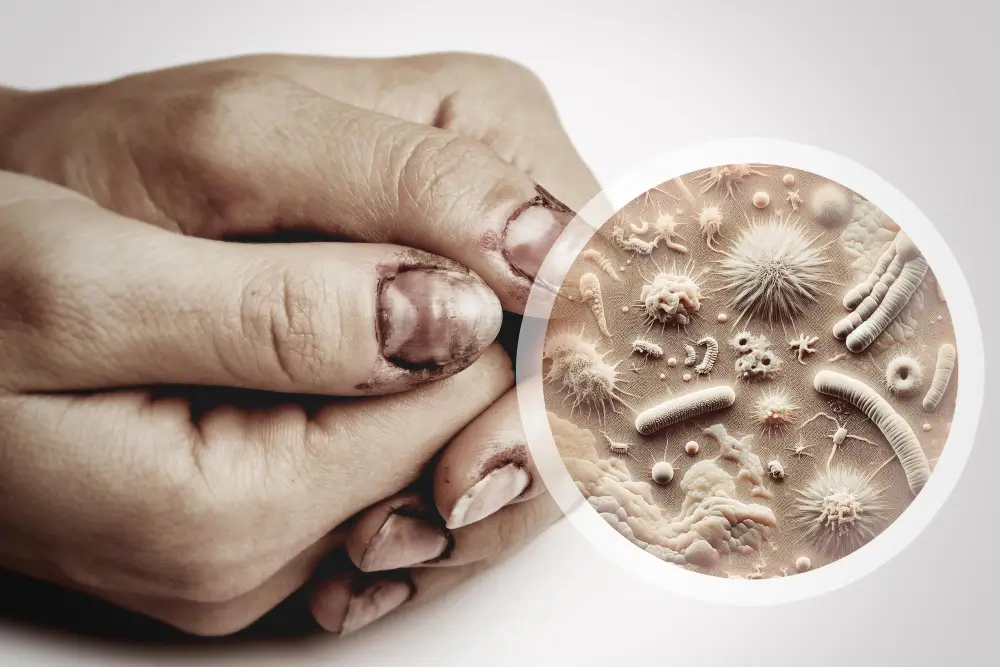
- Nail fungus
Vaginal and Urinary Symptoms
- Persistent vaginal yeast infections
- Itching and discharge
- Burning sensation during urination
Systemic Symptoms
- Chronic fatigue
- Brain fog
- Sugar cravings
- Mood swings
Recognizing these Candida overgrowth symptoms early can help prevent long-term complications.
How Chronic Yeast Infections Affect the Body
Impact on Gut Health
Candida disrupts the balance of good and bad bacteria in the gut, leading to digestive disorders and increased intestinal permeability (leaky gut). This allows toxins to enter the bloodstream, triggering inflammation.
Impact on Skin Health
Candida overgrowth can appear on the skin as rashes, eczema, or fungal infections. Skin issues are often a reflection of internal gut imbalance.
Impact on Immunity
A persistent Candida infection weakens the immune system, making the body more vulnerable to infections, allergies, and chronic inflammation.
Diagnosis of Chronic Candida Overgrowth
Proper diagnosis is crucial for effective treatment. Advanced testing may include:
- Comprehensive stool analysis
- Blood tests for Candida antibodies
- Organic acid testing
- Food sensitivity testing
An integrative medical approach helps identify the root cause rather than just treating symptoms.
Long-Term Solutions for Chronic Yeast Infections
1. Anti-Candida Diet
A Candida diet focuses on eliminating sugar, refined carbs, and processed foods while promoting:
- Vegetables
- Lean proteins
- Healthy fats
- Probiotic-rich foods
2. Antifungal Treatment
Both natural and prescription antifungal medications may be used to control Candida overgrowth.
3. Probiotics for Gut Health
Restoring beneficial bacteria is essential for balancing the gut microbiome and preventing recurrence.
4. Gut Healing Protocol
Healing the gut lining through targeted nutrients can reduce leaky gut and inflammation.
5. Immune System Support
Strengthening immunity with vitamins, minerals, and lifestyle changes is key for long-term prevention.
6. Lifestyle Modifications
- Reduce stress
- Improve sleep
- Stay physically active
These changes help maintain overall health and prevent chronic infections.
Preventing Recurring Yeast Infections
Prevention is just as important as treatment. To avoid chronic yeast infections:
- Maintain a low-sugar diet
- Avoid unnecessary antibiotics
- Support gut health with probiotics
- Practice good hygiene
- Manage stress effectively
When to Seek Professional Help
If you experience recurrent yeast infections or persistent symptoms, it’s important to consult a specialist. Chronic Candida overgrowth requires a personalized treatment plan tailored to your body’s needs.
FAQs
Q. What causes chronic yeast infections?
A. Chronic yeast infections are caused by Candida overgrowth due to factors like antibiotic use, high sugar diet, weak immunity, hormonal imbalance, and poor gut health.
Q. How do I know if I have Candida overgrowth?
A. Common Candida overgrowth symptoms include digestive issues, fatigue, brain fog, skin infections, and recurring yeast infections.
Q. Can diet help cure Candida?
A. Yes, a Candida diet that eliminates sugar and processed foods can help control yeast growth and support gut healing.
Q. Are probiotics effective for Candida?
A. Probiotics help restore healthy gut bacteria, which can reduce Candida overgrowth and prevent future infections.
Q. How long does it take to treat chronic yeast infections?
A. Treatment duration varies depending on severity but may take several weeks to months with proper diet, antifungals, and lifestyle changes.
Get Expert Candida Treatment Today
At Patients Medical, we specialize in identifying and treating the root cause of chronic yeast infections using an integrative and holistic approach.
📞 Call us now: (212) 794-8800
📧 Email: info@patientsmedical.com
Take the first step toward restoring your gut health, strengthening your immune system, and eliminating Candida overgrowth for good.

Dr. Kulsoom Baloch
Dr. Kulsoom Baloch is a dedicated donor coordinator at Egg Donors, leveraging her extensive background in medicine and public health. She holds an MBBS from Ziauddin University, Pakistan, and an MPH from Hofstra University, New York. With three years of clinical experience at prominent hospitals in Karachi, Pakistan, Dr. Baloch has honed her skills in patient care and medical research.
- Dr. Kulsoom Balochhttps://blog.patientsmedical.com/author/kulsoom/

- Dr. Kulsoom Balochhttps://blog.patientsmedical.com/author/kulsoom/

- Dr. Kulsoom Balochhttps://blog.patientsmedical.com/author/kulsoom/

- Dr. Kulsoom Balochhttps://blog.patientsmedical.com/author/kulsoom/