AI Overview
Craniosacral therapy (CST) is a gentle, hands-on treatment that focuses on the craniosacral system, including the brain, spinal cord, and cerebrospinal fluid. It is commonly used in integrative medicine to help manage migraines, chronic fatigue, stress, and nervous system imbalances. The therapy works by applying light touch to release tension, promote relaxation, and support nervous system function. While many patients report reduced headache intensity, improved energy levels, and better sleep, scientific evidence remains limited, and craniosacral therapy is generally recommended as a complementary therapy alongside conventional medical care. Medical professionals often suggest CST as part of a holistic treatment plan to improve overall wellness and symptom management.
Understanding Craniosacral Therapy
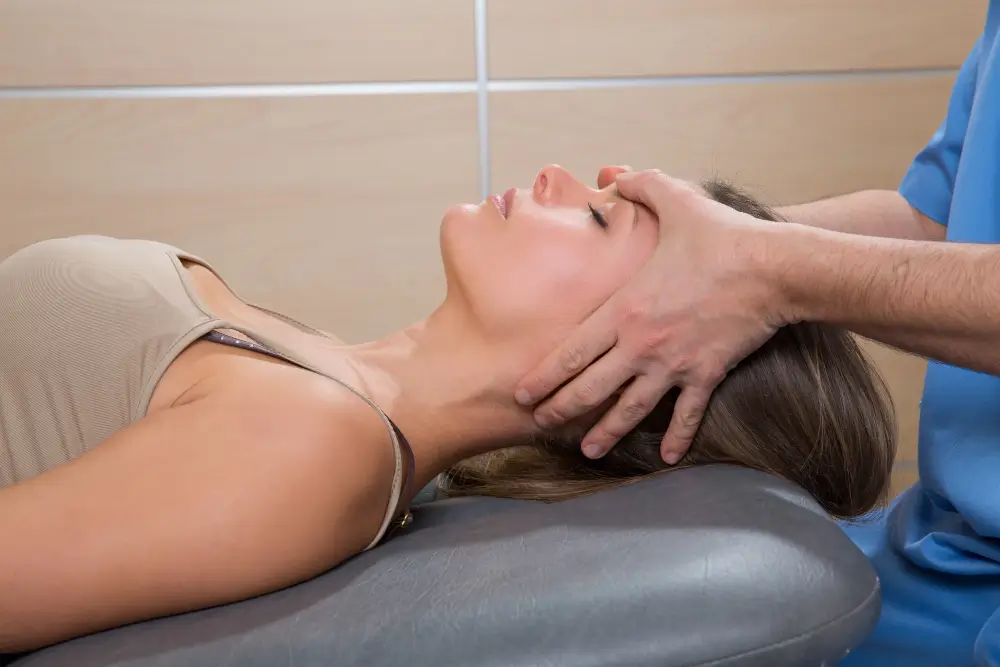
Craniosacral therapy is a non-invasive manual therapy that aims to improve the function of the central nervous system by gently manipulating the skull, spine, and sacrum. The therapy focuses on releasing restrictions in the connective tissues and improving the flow of cerebrospinal fluid, which surrounds and protects the brain and spinal cord.
This therapy is commonly used in integrative and functional medicine settings to help manage chronic pain, neurological conditions, stress-related disorders, and fatigue-related illnesses. Because CST uses very light pressure, it is considered a safe and relaxing treatment option for many individuals dealing with chronic health issues.
Practitioners believe that restoring balance in the craniosacral system can help the body heal naturally by reducing tension and improving nervous system communication.
How Migraines and Chronic Fatigue Affect the Body
Understanding Migraines
Migraines are more than just headaches. They are complex neurological conditions that can cause severe pain, sensitivity to light and sound, nausea, and fatigue. Migraines are often linked to nervous system dysfunction, stress, hormonal imbalances, and inflammation.
Common migraine triggers include:
- Stress and anxiety
- Poor sleep
- Hormonal changes
- Dehydration
- Muscle tension in the neck and head
- Nervous system sensitivity
Chronic migraines can significantly affect daily life, making it difficult to work, sleep, or maintain normal routines.
Understanding Chronic Fatigue
Chronic fatigue is a persistent condition characterized by extreme tiredness that does not improve with rest. It may be associated with stress, immune dysfunction, sleep disorders, and neurological imbalances.
Symptoms of chronic fatigue often include:
- Persistent tiredness
- Brain fog
- Poor sleep quality
- Muscle pain
- Headaches
- Difficulty concentrating
Both migraines and chronic fatigue are closely linked to nervous system regulation, which is why therapies that promote relaxation and balance may help manage symptoms.
How Craniosacral Therapy May Help Migraines
Reducing Tension in the Head and Neck
Craniosacral therapy uses gentle touch to release tension in the skull, neck, and spine. This may help reduce pressure that contributes to migraine headaches and improve overall comfort.
Tension in muscles and connective tissues can restrict blood flow and irritate nerves, which may trigger migraine symptoms. By promoting relaxation and releasing tight areas, CST may help reduce the frequency and intensity of headaches.
Supporting Nervous System Balance
Migraines are often linked to nervous system overstimulation. Craniosacral therapy encourages parasympathetic nervous system activity, which promotes relaxation and reduces stress responses.
A calmer nervous system may lead to fewer migraine triggers and improved pain management over time.
Improving Sleep and Stress Management
Poor sleep and stress are common migraine triggers. Craniosacral therapy promotes deep relaxation, which may improve sleep quality and reduce stress-related headaches.
Many patients report feeling calm and refreshed after CST sessions, which may contribute to better migraine control.
How Craniosacral Therapy May Help Chronic Fatigue
Enhancing Relaxation and Energy Balance
Chronic fatigue is often linked to prolonged stress and nervous system exhaustion. Craniosacral therapy helps the body enter a relaxed state, allowing the nervous system to recover and restore energy.
Relaxation improves circulation and reduces tension, which may help improve overall energy levels.
Supporting Brain and Nervous System Function
The therapy aims to improve cerebrospinal fluid flow and reduce restrictions around the brain and spinal cord. While scientific evidence is limited, practitioners believe this may help improve neurological communication and reduce fatigue symptoms.
Patients often report better mental clarity and reduced brain fog after multiple sessions.
Promoting Better Sleep and Recovery
Sleep plays a major role in energy and fatigue management. Craniosacral therapy helps calm the nervous system, which may lead to improved sleep quality and faster recovery from fatigue.
Better sleep allows the body to repair itself and maintain healthy brain function.
Scientific Evidence on Craniosacral Therapy
Research on Migraines
Some clinical studies suggest that craniosacral therapy may help reduce headache intensity and improve quality of life in patients with migraines. The relaxation effect and reduction in muscle tension are believed to contribute to symptom improvement.
However, larger clinical trials are needed to confirm consistent neurological benefits.
Research on Chronic Fatigue
Research on craniosacral therapy for chronic fatigue is limited. Some studies suggest improvements in stress and pain management, but strong scientific evidence is still lacking.
Medical organizations generally consider CST a complementary therapy that should be used alongside conventional treatment and lifestyle changes.
Medical Perspective
Healthcare professionals recommend craniosacral therapy as part of an integrative approach that includes:
- Proper medical evaluation
- Lifestyle modifications
- Stress management
- Nutrition support
- Sleep improvement strategies
This balanced approach ensures safe and effective symptom management.
What to Expect During Craniosacral Therapy Sessions
Initial Consultation
Patients typically begin with a detailed medical consultation to discuss symptoms, migraine history, fatigue levels, and overall health. This helps create a personalized treatment plan.
Gentle Hands-On Treatment
During the session:
- The patient lies comfortably on a treatment table
- The practitioner applies light touch to the head, neck, and spine
- Gentle adjustments help release tension
- The session lasts about 30 to 60 minutes
Most patients experience deep relaxation and calmness during the treatment.
After the Session
After CST, patients may notice:
- Reduced headache intensity
- Improved relaxation
- Better sleep
- Increased energy
- Reduced stress
Multiple sessions may be recommended for long-term improvement.
Who Can Benefit from Craniosacral Therapy
Patients with Migraines
Individuals suffering from frequent migraines or tension headaches may benefit from CST as part of a holistic treatment plan.
Patients with Chronic Fatigue
People experiencing long-term fatigue, stress, or sleep disorders may find craniosacral therapy helpful for improving energy and relaxation.
Individuals Seeking Natural Treatment
CST is ideal for individuals looking for gentle, non-invasive therapies to support their overall health and nervous system function.
Why Choose Patients Medical for Craniosacral Therapy in NYC
Integrative and Functional Medicine Approach
Patients Medical provides craniosacral therapy as part of a comprehensive treatment plan focused on natural healing and long-term wellness.
Personalized Treatment Plans
Each patient receives individualized care that may include:
- Functional medicine evaluation
- Nutritional therapy
- Stress management programs
- IV therapy
- Holistic pain management
Experienced Medical Team
The clinic focuses on safe, evidence-informed, and patient-centered care to help individuals manage migraines and chronic fatigue effectively.
Start Your Journey Toward Migraine and Fatigue Relief
Craniosacral therapy offers a gentle and holistic approach to managing migraines and chronic fatigue by promoting relaxation, improving nervous system balance, and supporting overall wellness.
With personalized care at Patients Medical, you can take a natural step toward reducing headaches, restoring energy, and improving your quality of life.
Frequently Asked Questions
Q. Can craniosacral therapy help reduce migraines?
Ans. Craniosacral therapy may help reduce tension and stress, which can contribute to fewer and less intense migraine episodes.
Q. Is craniosacral therapy effective for chronic fatigue?
Ans. It may help improve relaxation, sleep, and energy levels, but it should be used alongside medical treatment and lifestyle changes.
Q. How many sessions are needed for migraine relief?
Ans. The number of sessions varies, but many patients benefit from regular treatments over several weeks.
Q. Is craniosacral therapy safe for chronic fatigue patients?
Ans. Yes, it is generally considered safe because it is gentle and non-invasive.
Q. Can craniosacral therapy replace migraine medication?
Ans. No, it should be used as a complementary therapy and not replace prescribed medical treatment.
Find natural relief from migraines and chronic fatigue with craniosacral therapy at Patients Medical in NYC.
Our integrative medical team provides personalized treatment plans designed to reduce headaches, restore energy, and support long-term nervous system health.
Call now: (212) 794-8800
Email: info@patientsmedical.com
Book your consultation today and start your journey toward pain-free living and renewed energy.

Dr. Kulsoom Baloch
Dr. Kulsoom Baloch is a dedicated donor coordinator at Egg Donors, leveraging her extensive background in medicine and public health. She holds an MBBS from Ziauddin University, Pakistan, and an MPH from Hofstra University, New York. With three years of clinical experience at prominent hospitals in Karachi, Pakistan, Dr. Baloch has honed her skills in patient care and medical research.
- Dr. Kulsoom Balochhttps://blog.patientsmedical.com/author/kulsoom/

- Dr. Kulsoom Balochhttps://blog.patientsmedical.com/author/kulsoom/

- Dr. Kulsoom Balochhttps://blog.patientsmedical.com/author/kulsoom/
- Dr. Kulsoom Balochhttps://blog.patientsmedical.com/author/kulsoom/