AI Overview
Craniosacral therapy and massage therapy are both hands-on treatments used to relieve pain, reduce stress, and improve overall well-being. Craniosacral therapy uses gentle, light touch to release tension in the craniosacral system and support nervous system balance, while massage therapy focuses on manipulating muscles and soft tissues to reduce tension and improve circulation. Massage therapy has stronger scientific support for pain relief, particularly for muscle and joint conditions, while craniosacral therapy is generally considered a complementary therapy with limited clinical evidence. Many healthcare providers recommend choosing massage therapy for physical pain and craniosacral therapy for relaxation and nervous system support, or combining both for integrative pain management.
Understanding Craniosacral Therapy
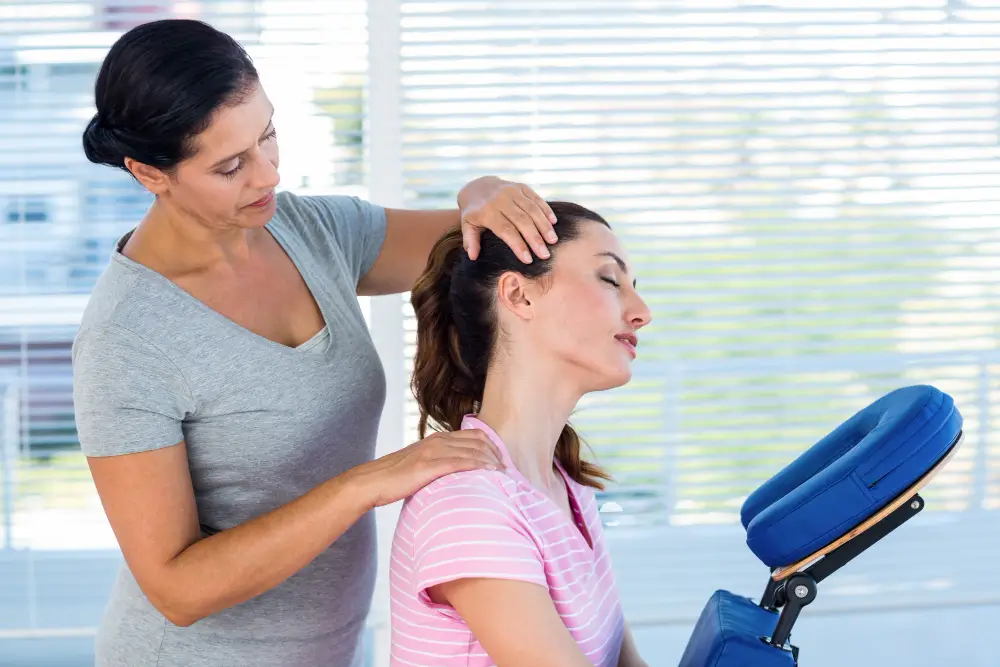
Craniosacral therapy is a gentle, non-invasive treatment that focuses on releasing tension in the craniosacral system, which includes the brain, spinal cord, and surrounding tissues. The therapy uses light touch to improve body balance, reduce stress, and promote relaxation.
Practitioners apply subtle pressure to areas such as the skull, spine, and sacrum to encourage the body’s natural healing process and nervous system regulation. It is commonly offered in integrative medicine and holistic care settings to support stress relief and chronic pain management.
Craniosacral therapy is generally used as a complementary treatment alongside conventional medical care because scientific evidence supporting its effectiveness is still limited.
Understanding Massage Therapy
Massage therapy is a widely practiced treatment that focuses on manipulating muscles, soft tissues, and joints to reduce pain and improve physical function. It involves different techniques such as deep tissue massage, Swedish massage, and trigger point therapy.
Massage therapy works by improving blood circulation, reducing muscle tension, and promoting relaxation. It is commonly used for sports injuries, back pain, neck stiffness, and stress-related tension.
Healthcare providers often recommend massage therapy as part of rehabilitation and pain management programs due to its established role in reducing muscle pain and improving mobility.
Key Differences Between Craniosacral Therapy and Massage Therapy
Technique and Pressure
Craniosacral therapy uses extremely light touch, often described as gentle contact, to release restrictions in the nervous system and connective tissues.
Massage therapy uses varying levels of pressure, from light to deep tissue manipulation, to target muscles and soft tissues.
This difference makes massage therapy more focused on physical pain relief, while craniosacral therapy emphasizes relaxation and nervous system balance.
Treatment Focus
Craniosacral therapy focuses on:
- Nervous system regulation
- Stress reduction
- Subtle tissue release
- Whole-body balance
Massage therapy focuses on:
- Muscle tension relief
- Blood circulation improvement
- Joint flexibility
- Physical pain reduction
Because of this, massage therapy is commonly used for musculoskeletal conditions, while craniosacral therapy is often chosen for stress and chronic tension.
Scientific Evidence
Research shows that craniosacral therapy has limited scientific support and inconsistent results in clinical trials.
A systematic review of randomized trials found no significant clinical benefit of craniosacral therapy for many conditions, highlighting the need for more research.
Massage therapy, on the other hand, has broader scientific support for reducing muscle pain, improving circulation, and enhancing recovery in many physical conditions.
Session Experience
During craniosacral therapy:
- Patients lie fully clothed
- Gentle touch is applied
- Deep relaxation is common
- Sessions feel calming and subtle
During massage therapy:
- Oils or lotions may be used
- Muscles are manipulated directly
- Pressure varies based on condition
- Physical tension is actively released
The experience of massage therapy is more physical, while craniosacral therapy is more subtle and relaxing.
Benefits of Craniosacral Therapy for Pain Relief
Supports Nervous System Relaxation
Craniosacral therapy helps calm the nervous system, which may reduce stress-related pain and tension.
This relaxation response can improve overall well-being and reduce discomfort in some patients.
Gentle and Non-Invasive Treatment
Because of its light-touch approach, craniosacral therapy is suitable for patients who cannot tolerate deep pressure or intense manual therapy.
It is often used for:
- Chronic fatigue
- Migraines
- Stress-related tension
- Post-concussion symptoms
- Anxiety-related pain
Complementary to Other Treatments
Craniosacral therapy works best when combined with conventional medical care and other therapies such as physical therapy and massage.
This integrative approach supports long-term pain management and recovery.
Benefits of Massage Therapy for Pain Relief
Effective for Muscle and Joint Pain
Massage therapy directly targets muscles and soft tissues, making it effective for:
- Back pain
- Neck pain
- Sports injuries
- Muscle stiffness
- Joint tension
This direct physical approach provides faster relief for musculoskeletal conditions.
Improves Blood Circulation
Massage therapy increases blood flow, which helps deliver oxygen and nutrients to tissues and supports healing.
Improved circulation also reduces inflammation and promotes recovery.
Enhances Mobility and Flexibility
Regular massage therapy can improve range of motion and reduce stiffness, making it beneficial for patients recovering from injuries or chronic pain.
Which Therapy Is Better for Pain Relief
Choose Craniosacral Therapy If You Need
- Gentle and non-invasive treatment
- Stress and anxiety relief
- Nervous system support
- Relaxation-focused therapy
- Complementary integrative care
Craniosacral therapy may be suitable for patients seeking holistic healing and stress-related pain management.
Choose Massage Therapy If You Need
- Muscle pain relief
- Injury recovery support
- Deep tissue treatment
- Improved flexibility
- Physical tension reduction
Massage therapy is often the better choice for musculoskeletal pain and physical rehabilitation.
Best Approach: Combining Both Therapies
Many integrative medical clinics recommend combining craniosacral therapy and massage therapy for comprehensive pain relief.
Massage therapy addresses muscle tension, while craniosacral therapy supports nervous system balance and relaxation.
This combined approach can provide more effective and long-lasting results for chronic pain and stress-related conditions.
Safety and Considerations
Craniosacral Therapy Safety
Craniosacral therapy is generally considered safe when performed by trained professionals, but patients with brain injuries or cerebrospinal fluid disorders should consult a doctor first.
Massage Therapy Safety
Massage therapy is also safe but may not be suitable for patients with severe injuries, fractures, or certain medical conditions.
Medical consultation is recommended before starting either therapy.
Importance of Professional Care
Choosing experienced practitioners ensures safe and effective treatment for both therapies.
Integrative clinics often provide personalized treatment plans based on patient needs and health conditions.
Why Choose Patients Medical for Craniosacral Therapy in NYC
Integrative Pain Management Approach
Patients Medical provides craniosacral therapy as part of a comprehensive integrative treatment plan designed to reduce pain and improve overall health.
Personalized Treatment Plans
Each patient receives individualized care based on symptoms, medical history, and wellness goals.
Combination of Holistic and Conventional Care
The clinic combines craniosacral therapy with functional medicine, massage therapy, and lifestyle support for better treatment outcomes.
Safe and Professional Environment
Patients Medical focuses on patient safety, comfort, and evidence-informed care.
Start Your Pain Relief Journey Today
Choosing between craniosacral therapy and massage therapy depends on your health needs, pain level, and treatment goals. Massage therapy is often more effective for physical muscle pain, while craniosacral therapy supports nervous system balance and relaxation.
A personalized integrative approach that combines both therapies can provide the best results for long-term pain relief and overall wellness.
Frequently Asked Questions
Q. Is craniosacral therapy better than massage therapy for pain?
Ans. Craniosacral therapy is better for relaxation and nervous system support, while massage therapy is generally more effective for muscle and joint pain.
Q. Can I combine craniosacral therapy and massage therapy?
Ans. Yes, many integrative clinics combine both therapies for comprehensive pain relief and wellness support.
Q. Is craniosacral therapy scientifically proven?
Ans. Research is limited, and it is considered a complementary therapy rather than a primary medical treatment.
Q. Which therapy is safer for chronic pain patients?
Ans. Both are generally safe when performed by trained professionals, but medical consultation is recommended.
Q. How many sessions are needed for pain relief?
Ans. The number of sessions varies depending on the condition and treatment plan.
Looking for effective and natural pain relief in NYC?
Patients Medical offers professional craniosacral therapy and integrative treatment plans designed to reduce pain, relieve stress, and support whole-body healing.
Call now: (212) 794-8800
Email: info@patientsmedical.com
Book your consultation today and discover the right therapy for your pain relief and wellness journey.

Dr. Kulsoom Baloch
Dr. Kulsoom Baloch is a dedicated donor coordinator at Egg Donors, leveraging her extensive background in medicine and public health. She holds an MBBS from Ziauddin University, Pakistan, and an MPH from Hofstra University, New York. With three years of clinical experience at prominent hospitals in Karachi, Pakistan, Dr. Baloch has honed her skills in patient care and medical research.
- Dr. Kulsoom Balochhttps://blog.patientsmedical.com/author/kulsoom/
- Dr. Kulsoom Balochhttps://blog.patientsmedical.com/author/kulsoom/
- Dr. Kulsoom Balochhttps://blog.patientsmedical.com/author/kulsoom/
- Dr. Kulsoom Balochhttps://blog.patientsmedical.com/author/kulsoom/