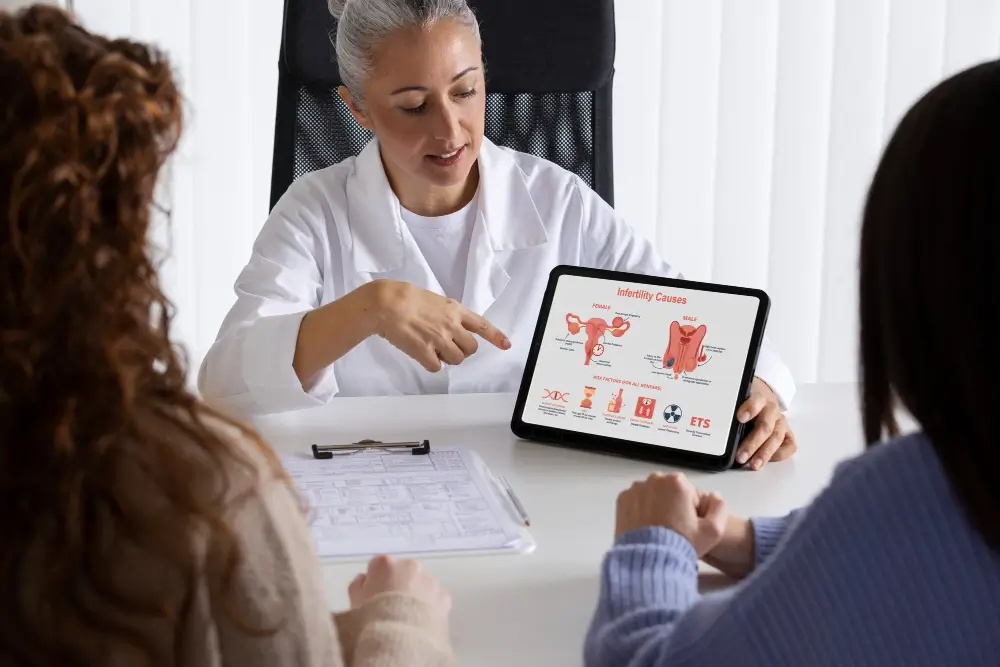
Preparing for pregnancy is more than boosting fertility — it means optimizing your hormones, gut health, nutrient levels, stress response, detox pathways, and overall metabolic balance. Functional medicine identifies hidden issues that affect conception, miscarriage risk, egg/sperm quality, and early pregnancy health. This page explains how a root-cause, whole-body approach can dramatically improve natural fertility, IVF success rates, and long-term maternal well-being.
FAST FACTS
- Who Benefits: Women + men planning pregnancy, couples with infertility, recurrent miscarriages, PCOS, endometriosis, thyroid issues, or unexplained infertility
- Main Root Causes: Hormone imbalance, thyroid dysfunction, insulin resistance, inflammation, nutrient deficiencies, gut dysbiosis, toxin overload
- Key Focus Areas: Egg & sperm quality, menstrual cycle health, stress hormones, detox pathways, gut microbiome, micronutrients
- Functional Medicine Goal: Balance the entire reproductive ecosystem — not just treat fertility symptoms
WHY FUNCTIONAL MEDICINE IMPROVES FERTILITY
- Hormone Balancing: Supports healthy ovulation, regular cycles, and progesterone stability
- Thyroid Optimization: Essential for conception + preventing miscarriage
- Gut Repair: A healthy microbiome improves hormones, immunity & nutrient absorption
- Blood Sugar Control: Insulin balance improves ovulation + egg quality (critical for PCOS)
- Anti-inflammatory Approach: Reduces pain, PMS, endometriosis and implantation issues
- Detox Support: Reduces toxin load impacting eggs, sperm, and embryo development
WHAT IMPROVES WITH PRECONCEPTION CARE
- More regular cycles & stronger ovulation
- Improved egg & sperm quality
- Reduced PMS, acne, cramps, and inflammation
- Higher natural conception rates
- Increased IVF/IUI success
- Reduced early pregnancy loss
- Better energy, mood, digestion & hormonal balance
TOP QUESTIONS ANSWERED
- How long should I prepare my body before trying to conceive?
- Which labs matter most for fertility (thyroid, hormones, nutrients, inflammation, gut)?
- Can functional medicine improve IVF success rates?
- How do toxins and gut health affect fertility?
- What supplements help egg quality, sperm quality & implantation?
- What’s the difference between “fertility treatment” and “fertility optimization”?
Recommended Next Steps
- Book a Functional Fertility Evaluation (hormones, thyroid, AMH, nutrients, gut, toxins, insulin)
- Begin a 3-month preconception protocol for egg & sperm optimization
- Balance hormones with nutrition, lifestyle, stress reduction & targeted supplements
- Reduce inflammation and support detox pathways before conception
- Follow a personalized fertility + pregnancy preparation plan for best results
Every journey toward parenthood begins well before conception. While many may think that planning for pregnancy simply involves taking a few supplements or tracking ovulation, the truth is more nuanced. Fertility is influenced by a complex interplay of hormones, nutrition, lifestyle, gut health, stress levels, and environmental exposures. A functional medicine approach offers a comprehensive, whole-body strategy to help you — and your partner — prepare your body for pregnancy in the healthiest way possible.
In this post, we explore how functional medicine can support fertility, the essential building blocks of pre-conception health, and steps you can take now to give your future baby the best start.
What Is Functional Medicine – And Why It Matters for Fertility
Functional medicine is a personalized, systems-based approach to health care that seeks to identify and address the root causes of health issues rather than simply treating symptoms.
When it comes to fertility, functional medicine recognizes that reproductive health doesn’t exist in isolation. Hormones, digestion, immune function, nutrient status, stress, and lifestyle — all influence your ability to conceive. By optimizing overall health and body balance, functional medicine aims to create the ideal internal environment for conception.
That means preparing for pregnancy goes far beyond taking folic acid: it means nourishing your body, balancing hormones, supporting gut health, managing toxins, reducing stress — and often, supporting both partners in the journey.
Pillars of Pre-conception Health: Functional Medicine Strategies
Nutrition — Fuel Your Body Right
- Focus on a nutrient-dense, whole-food diet: leafy greens, whole grains, lean proteins, healthy fats (nuts, seeds, fish), fruits and vegetables. This supports hormonal balance, egg and sperm health, and overall reproductive wellness.
- Prioritize key fertility-supportive nutrients: Omega-3 fatty acids; antioxidants like vitamins C & E; minerals such as zinc, selenium, magnesium; B-vitamins; Vitamin D. These support hormone regulation, protect reproductive cells from oxidative stress, and may improve egg/sperm health.
- Avoid or limit processed foods, excessive sugars, trans fats — these can impair hormonal balance, disrupt ovulation/sperm health and contribute to metabolic imbalance.
Gut Health & Detoxification — Clean the Internal Environment
Your gut is central to hormone regulation, nutrient absorption, and immune function — all of which impact fertility. An imbalance in gut flora (dysbiosis) can lead to inflammation or hormonal disruption.
Functional medicine often encourages gentle detoxification and support for organs like the liver — which help metabolize hormones and clear toxins — before conception.
In practice, this may mean focusing on whole, clean foods, reducing exposure to environmental toxins (like certain plastics, pesticides, heavy metals), and supporting hydration and natural elimination.
Lifestyle: Sleep, Stress, Exercise & Weight Management
Lifestyle factors play a huge role in fertility health. Chronic stress, poor sleep, sedentary habits or extreme exercise, and unmanaged weight can all impact hormonal balance, ovulation, sperm quality, and overall reproductive readiness.
- Sleep & stress management: Adequate sleep and stress reduction (through mindfulness, yoga, meditation or gentle exercise) help regulate hormones and support reproductive health.
- Moderate exercise & healthy weight: Keeping body mass index (BMI) in a healthy range improves fertility chances; both underweight and overweight can pose challenges.
- Avoid harmful habits: Smoking, excessive alcohol, recreational drug use, or high caffeine intake can negatively affect fertility and pregnancy outcomes.
Pre-conception Checkup & Medical Review
Before trying to conceive, it’s wise to seek preconception counselling or a health check-up. A medical professional can review medical history (of both parents), screen for chronic conditions, evaluate reproductive organ health, ensure vaccinations are up-to-date, and discuss any medications or supplements.
This helps identify potential issues early on — thyroid problems, metabolic issues, hormonal imbalances, or other underlying conditions — which can then be addressed in a functional medicine framework.
Who Can Benefit from a Functional Medicine Approach to Fertility?
Functional medicine may be especially helpful for people who:
- Have experienced difficulty conceiving or have “unexplained infertility.”
- Have conditions like hormonal imbalance, irregular cycles, metabolic issues, gut issues, or chronic inflammation.
- Prefer a holistic, personalized, natural approach — focusing on overall health and wellbeing rather than quick “fixes.”
- Want to optimize not just the chances of conception — but long-term health for themselves and their future child.
That said — functional medicine should ideally complement, not necessarily replace, conventional medical guidance. Working with qualified healthcare providers remains essential.
Practical First Steps: A Pre-conception Plan
Here’s a simple, 4–6 week “pre-pregnancy readiness plan” based on functional medicine principles:
- Schedule a preconception health check (with you and your partner) — include blood tests, baseline hormonal panels, metabolic screening, and review of medical history.
- Revamp your diet — focus on whole foods, plenty of vegetables & fruits, healthy fats (fish, nuts, seeds), lean proteins, and reduce processed foods, refined sugar and trans fats.
- Support gut health & detox — increase fiber intake, consider fermented foods or probiotic-rich diet, hydrate well, minimize exposure to toxins or plastics, environmental pollutants.
- Adopt balanced lifestyle habits — moderate exercise (walking, yoga, swimming), ensure 7–9 hours of sleep nightly, manage stress via meditation or mindfulness, avoid smoking/alcohol/drugs, reduce excessive caffeine.
- Supplement wisely (if needed) — under guidance: folic acid, Vitamin D, omega-3s, and other nutrients based on blood work.
- Monitor and adjust — track menstrual cycles, energy levels, mood, and overall wellbeing. Revisit with your healthcare provider every 8–12 weeks to fine-tune as needed.
Frequently Asked Questions
Q. What is functional medicine — and how is it different from “regular” fertility care?
Ans : Functional medicine takes a holistic, systems-based approach. Instead of just treating symptoms or focusing only on reproductive organs, it looks at nutrition, hormones, gut health, lifestyle, toxins, immune function — essentially the whole body — to create the best environment for conception.
Q.Why should I start preparing my body for pregnancy even before I try to conceive?
Ans : Your overall health before conception — nutrient status, hormone balance, detox capacity, immune health — influences not only your fertility, but also fetal development and long-term health of the baby. Good preconception health reduces risks for pregnancy complications, birth defects, and supports better outcomes.
Q. What kinds of nutrients are most important for fertility?
Ans : Key nutrients include omega-3 fatty acids, antioxidants (vitamins C, E), zinc, selenium, magnesium, B-vitamins, Vitamin D, and folate. These support hormone production, egg and sperm health, protect against oxidative stress, and help with healthy conception and pregnancy.
Q. What role does gut health play in fertility?
Ans : Gut health affects hormone metabolism, nutrient absorption, immune balance and inflammation. Imbalanced gut flora or poor digestion may disrupt estrogen metabolism or contribute to inflammatory conditions — potentially affecting fertility. Functional medicine often supports gut health and hormone balance together.
Q. Is detoxification necessary before pregnancy?
Ans : Detoxification — or more accurately, supporting your body’s natural detox systems (liver, kidneys, lymphatics) — can help reduce exposure to environmental toxins (like heavy metals, endocrine disruptors, pollutants) which might impact reproductive health and fetal development. A gentle, holistic approach often works best.
Q. How important is lifestyle — sleep, stress, exercise — in fertility?
Ans : Very important. Chronic stress, inadequate sleep, sedentary lifestyle, smoking, alcohol, poor weight management — all can disrupt hormonal balance, menstrual cycles, sperm quality, ovulation, and reduce chances of conception. Healthy lifestyle habits improve overall fertility outcomes.
Q. Should my partner also follow a pre-conception functional medicine plan?
Ans : Yes. Fertility is a shared journey — male fertility is as important as female. Nutrition, detox, stress, lifestyle changes can all affect sperm health. Functional medicine emphasizes evaluating both partners for optimal reproductive success.
Q. Can functional medicine help when conditions like PCOS or hormonal imbalance are involved?
Ans : Functional medicine may help. By identifying root causes (insulin resistance, inflammation, nutrient deficiencies, gut issues) and personalizing nutrition and lifestyle protocols, functional medicine can support hormonal balance and may improve fertility outcomes even with underlying conditions.
Q. How long should I prepare before trying to conceive?
Ans : It’s ideal to begin pre-conception planning 3–6 months before you start trying — sometimes longer. This allows time to correct nutrient deficiencies, balance hormones, detox, stabilize cycles, and bring overall health to a good place. Many fertility experts suggest a few months for optimal preparation.
Q. Does this mean skipping conventional fertility treatments like IVF or medications?
Ans : Not necessarily. Functional medicine doesn’t always replace conventional fertility treatments, but it can complement them by optimizing overall health, improving egg/sperm quality, hormonal balance, and possibly improving success rates. It’s best used in collaboration with qualified medical professionals.
Final Thoughts
Preparing your body for pregnancy — especially through a functional medicine lens — is about creating a strong, balanced, healthy foundation. It’s about nourishing yourself (and your partner), balancing hormones, supporting gut health, reducing toxic load, and adopting a lifestyle that fosters well-being.
If you’re thinking about starting a family soon, consider investing time before conception — your efforts now may pay off in smoother conception, a healthier pregnancy, and a stronger start for your child’s life.
If you’re ready to take the next step — schedule a pre-conception consultation with us at Patients Medical. Together we can review your health, nutrition, lifestyle and design a personalized plan to optimize your fertility naturally. Get started today for a healthier tomorrow.

Dr. Kulsoom Baloch
Dr. Kulsoom Baloch is a dedicated donor coordinator at Egg Donors, leveraging her extensive background in medicine and public health. She holds an MBBS from Ziauddin University, Pakistan, and an MPH from Hofstra University, New York. With three years of clinical experience at prominent hospitals in Karachi, Pakistan, Dr. Baloch has honed her skills in patient care and medical research.
- Dr. Kulsoom Balochhttps://blog.patientsmedical.com/author/kulsoom/

- Dr. Kulsoom Balochhttps://blog.patientsmedical.com/author/kulsoom/

- Dr. Kulsoom Balochhttps://blog.patientsmedical.com/author/kulsoom/

- Dr. Kulsoom Balochhttps://blog.patientsmedical.com/author/kulsoom/