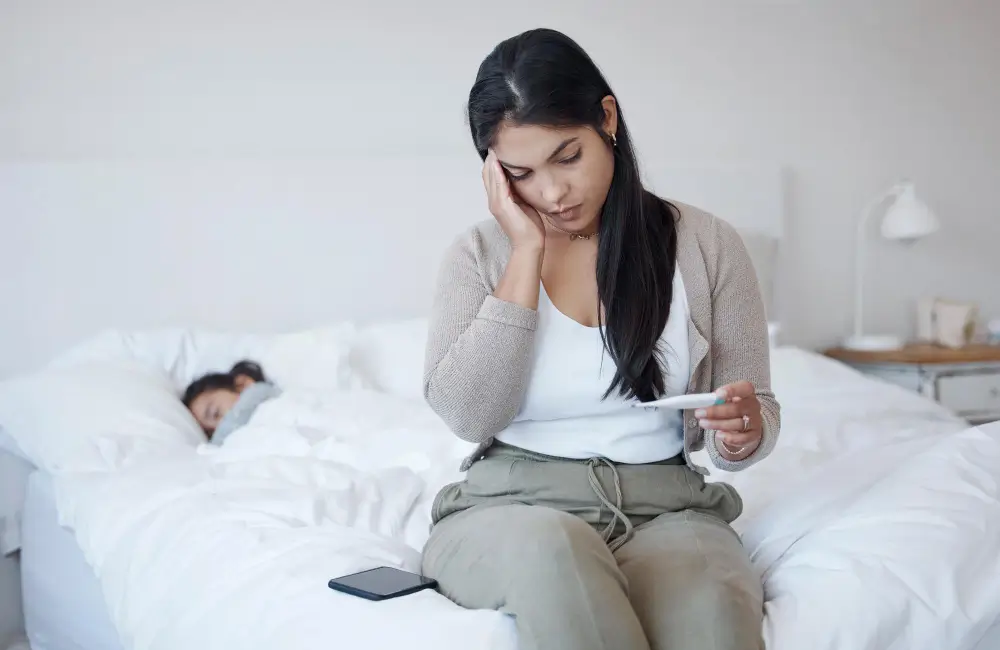
Hormone imbalance is one of the most common (and most misunderstood) drivers of symptoms in women from their 20s through their 50s. This page explains how shifting estrogen, progesterone, testosterone, thyroid, and cortisol levels cause PMS, cycle irregularity, weight gain, mood swings, low libido, brain fog, sleep problems, and perimenopause symptoms — and how functional medicine identifies and treats these root causes through personalized hormone and lifestyle balancing.
FAST FACTS
- Key Hormones Affected: Estrogen, progesterone, testosterone, thyroid hormones, cortisol, insulin
- Common Life Stages Involved: PMS, PMDD, postpartum changes, perimenopause, menopause transition
- Symptoms: Fatigue, mood swings, anxiety, bloating, heavy/painful periods, weight gain, low libido, headaches, hot flashes, brain fog
- Major Root Causes: Estrogen dominance, low progesterone, thyroid dysfunction, adrenal stress, gut imbalance, inflammation, nutrient deficiencies
- Ideal Candidates: Women 25–55 with unresolved hormonal symptoms or cycle changes
WHY HORMONES BECOME IMBALANCED
- Stress & Cortisol: High cortisol lowers progesterone → PMS, anxiety, sleep problems
- Estrogen Dominance: Poor detox + gut issues → heavy periods, bloating, breast tenderness
- Thyroid Slowdown: Causes fatigue, weight gain, mood issues, cold intolerance
- Insulin Resistance: Drives cravings, weight gain around the belly, irregular cycles
- Gut Dysfunction: Affects estrogen detoxification + mood, immunity & inflammation
- Perimenopause Shifts: Ovarian hormone fluctuations begin 5–10 years before menopause
PMS vs. PERIMENOPAUSE: WHAT’S THE DIFFERENCE?
PMS
- Cyclical mood swings
- Bloating, breast tenderness
- Cravings, headaches
- Symptoms improve after period starts
Perimenopause
- Irregular periods
- Hot flashes + night sweats
- Mood instability + anxiety
- Weight gain + brain fog
- Can last 2–10 years before menopause
TOP QUESTIONS ANSWERED
- Why do I feel “off” even if my labs look “normal”?
- What’s the difference between PMS, PMDD, and perimenopause?
- How do stress, gut health, or thyroid issues contribute to hormone imbalance?
- Which tests actually detect hormone problems?
- Can BHRT or natural supplements help balance hormones safely?
Recommended Next Steps
- Schedule a Comprehensive Female Hormone Panel (estrogen, progesterone, thyroid, cortisol, insulin)
- Identify root causes through functional testing (gut, nutrients, adrenal health)
- Begin a personalized hormone-balancing plan (BHRT or natural alternatives)
- Support hormones with nutrition, stress reduction & gut repair
- Follow a long-term plan to ease PMS, cycle irregularity & perimenopause symptoms
Hormones play a pivotal role across a woman’s life — guiding monthly cycles, pregnancy, mood, metabolism and more. But when hormonal harmony is disrupted, it can lead to a cascade of symptoms affecting physical, emotional, and mental health. Two of the most common phases where hormone imbalance becomes evident are during premenstrual syndrome (PMS) and during the transition to menopause (perimenopause). Understanding these changes can help you feel more in control of your body and health.
In this post, we’ll explore what hormone imbalance means in women, how it manifests during PMS and perimenopause, the symptoms, why it happens, and practical tips to manage it.
What Is Hormone Imbalance?
Hormone imbalance — in simple terms — means that the delicate levels of key hormones in the female body (especially estrogen and progesterone) become irregular or unstable. In the context of a healthy menstrual cycle, estrogen and progesterone rise and fall in a predictable pattern. If this pattern is disrupted — whether because of stress, lifestyle, aging, medical conditions, or natural transition — symptoms can arise.
For instance, during the luteal phase (the period leading up to menstruation), fluctuating estrogen levels affect neurotransmitters in the brain (like serotonin), which helps explain why mood changes and irritability are common in PMS.
Similarly, as women approach perimenopause, these hormonal ebbs and surges intensify — often becoming more unpredictable.
Hormone imbalance is not a one-size-fits-all — for many women it presents mildly; for others, it can significantly affect their quality of life.
Hormone Imbalance & PMS (Premenstrual Syndrome)
What is PMS
Premenstrual Syndrome (PMS) refers to the physical and emotional symptoms that many women experience in the two weeks before their period.
For most women, PMS is mild. But for others, the hormonal fluctuations leading up to menstruation — especially changes in estrogen — can significantly affect mood, energy, and overall wellbeing. Reduced serotonin (a brain chemical linked to mood) during this phase is believed to contribute to mood swings, irritability, fatigue, and sadness.
Common PMS-related symptoms
- Mood swings, irritability, anxiety, low mood.
- Bloating, breast tenderness, fluid retention, cramps.
- Headaches, fatigue, sleep disturbances.
- Changes in appetite, cravings.
For many women, knowing that these symptoms are linked to hormone fluctuations — and not just “in their head” — is the first step towards coping with them healthily.
Transitioning to Perimenopause: When PMS Ends and Hormonal Storm Begins
As women grow older, the body begins shifting from a reproductive state toward menopause. The period leading up to the last menstrual period is called Perimenopause. During this transition, the ovaries gradually produce less estrogen and progesterone. But before they taper off completely, hormone levels can swing unpredictably — sometimes spiking, sometimes dipping drastically.
These fluctuations can result in a wide variety of symptoms, which often go beyond what women experienced during PMS:
- Irregular periods: Cycles may lengthen, shorten, lighten, or become heavier. Some periods may be skipped altogether.
- Hot flashes & night sweats: Sudden waves of heat, often accompanied by sweating — during day or night.
- Sleep disturbances: Nights can become restless due to hot flashes, night sweats, or anxiety — leading to fatigue during the day.
- Mood swings, anxiety, depression: Emotional symptoms can feel similar to PMS — but without a predictable pattern, and sometimes more intense.
- Vaginal dryness & reduced libido: Declining estrogen can affect vaginal tissue health and sexual well-being.
- Physical changes: Weight gain (especially around abdomen), joint or muscle aches, changes in skin and hair, reduced bone & cardiovascular health over time.
- Cognitive changes: Some women notice “brain fog,” memory lapses, difficulty concentrating.
Because perimenopause is a gradual — and variable — process, no two women experience it the same way. For some, symptoms persist for several years, while for others they are mild and transient.
Why Do These Changes Happen — The Biology Behind It
- As you enter perimenopause, your ovaries begin producing less estrogen and progesterone.
- Additionally, other hormonal signals from the brain (like follicle-stimulating hormone, FSH) may fluctuate or become elevated, trying to stimulate hormone production — leading to unpredictable hormone levels.
- Since estrogen plays a role not only in reproductive health but also bone strength, mood regulation, sleep, cardiovascular health, skin elasticity, vaginal health, and more — the decline or erratic production impacts multiple body systems.
In simple terms: your body is rewiring itself — and during the transition, the hormonal oscillations can feel like a “storm.”
What You Can Do: Managing Hormone Imbalance With Lifestyle & Medical Support
While hormone fluctuations are “normal,” the discomfort and disruption they cause are real. The good news: there are ways to manage them.
Lifestyle & Self-Care Strategies
- Healthy, balanced diet: Emphasize whole grains, fruits, vegetables — and calcium and vitamin D to support bone health.
- Regular physical activity: Exercise — especially weight-bearing or strength training — helps maintain bone density, supports mood, and can ease hot flashes.
- Good sleep habits and stress management: Routine sleep schedule, avoidance of caffeine/alcohol before bed, relaxation practices (yoga, meditation) can help manage sleep and mood disturbances.
- Vaginal care: Use water-based lubricants/moisturizers if dryness or discomfort occurs. Staying sexually active may also support vaginal health.
Medical & Therapeutic Options
Depending on the severity of symptoms and individual health history, a healthcare provider might suggest:
- Hormone therapy (HT): Systemic estrogen (with or without progestogen) can help relieve hot flashes, night sweats, prevent bone loss.
- Vaginal estrogen: Delivered via cream, tablet or ring — often effective for vaginal dryness and urinary symptoms with minimal systemic absorption.
- Non-hormonal medications: For women who can’t or prefer not to take estrogen: certain antidepressants (SSRIs), medications like gabapentin or other options can help with hot flashes and mood symptoms.
- Therapies & lifestyle support: Psychological counseling (e.g. cognitive behavioral therapy), stress reduction, alternative therapies (some herbal remedies, though evidence is mixed) — always consult a qualified doctor before starting.
When To See a Doctor
It’s a good idea to consult a gynecologist or endocrinologist if you notice:
- Persistent or worsening symptoms that interfere with daily life (mood, sleep, libido).
- Heavy or irregular bleeding, spotting between periods, or drastic menstrual changes.
- Severe mood symptoms (depression, anxiety) or new-onset sleep disorders.
- Bone pain, unexpected weight gain, or symptoms affecting urinary, vaginal or cardiovascular health.
Tracking your menstrual cycle, symptoms (physical & emotional), and lifestyle changes can help your doctor provide better care and guidance.
Why Understanding Hormone Imbalance Matters
Many women dismiss PMS or perimenopausal symptoms as “just part of being a woman,” but recognizing them as real hormonal shifts — not “normal moodiness” or “just aging” — is powerful.
Understanding hormone imbalance:
- validates your experience,
- empowers you to seek help or make lifestyle adjustments,
- and enables you to take proactive steps for long-term health: bone health, heart health, mental well-being.
As the reproductive years shift into the menopausal transition, informed choices and self-care can make a big difference to your comfort and quality of life.
Frequently Asked Questions (FAQ)
Q. What exactly causes hormone imbalance during PMS?
Ans : PMS-related hormone imbalance is caused by fluctuating levels of estrogen (and related compounds) in the luteal phase of the menstrual cycle — which can affect neurotransmitters like serotonin, leading to mood and physical symptoms.
Q. Is PMS the same as perimenopause?
Ans : No. PMS refers to symptoms before a period during the regular reproductive years. Perimenopause is the transitional phase leading up to menopause, with more dramatic and often unpredictable hormonal fluctuations.
Q. At what age does perimenopause usually start?
Ans : Perimenopause typically begins in the 40s, but it can start earlier (in some women even in their 30s) or later; there’s no fixed age.
Q. What are the common symptoms of perimenopause?
Ans : Irregular periods, hot flashes, night sweats, mood swings, insomnia or sleep disturbances, vaginal dryness, reduced libido, weight changes, joint/muscle aches, memory or concentration problems.
Q. How long does perimenopause last?
Ans : Perimenopause can last several months to several years — often 4 to 10 years before menopause. The duration and symptoms vary widely among women.
Q. Can I still get pregnant during perimenopause?
Ans : Yes — because ovulation becomes irregular but does not necessarily stop immediately. Until you’ve had 12 consecutive months without a period (which defines menopause), conception remains possible.
Q. Are lifestyle changes enough to manage hormone imbalance?
Ans : For many women, healthy diet, regular exercise, good sleep, and stress management significantly help reduce symptoms. For others — especially those with severe symptoms — lifestyle changes may need to be complemented with medical or hormonal therapy.
Q. What is hormone therapy, and is it safe?
Ans : Hormone therapy (HT) involves giving estrogen — sometimes with progesterone — to ease symptoms like hot flashes or vaginal dryness, and to protect bone health. It can be very effective, but it also carries risks (e.g., blood clots, breast cancer), so decisions must be personalized and supervised by a healthcare professional.
Q. What if I can’t or don’t want to take hormones?
Ans : Non-hormonal medicines (some antidepressants, gabapentin), vaginal estrogen (local), lifestyle therapies (diet, exercise, stress management), and alternative therapies (under medical advice) are possible — though their effectiveness varies.
Q. When should I consult a doctor?
Ans : If your symptoms are persistent, severe, or affecting daily life — e.g., very irregular or heavy periods, depression, intense hot flashes or night sweats, sleep problems, urinary or vaginal discomfort, bone or joint pain — it’s wise to get a professional evaluation.
Hormone imbalance — whether experienced as PMS, perimenopause, or anything in between — is a normal but often misunderstood part of a woman’s life. Though the hormonal roller-coaster can feel overwhelming, knowledge is power. Understanding what’s happening, tracking your symptoms, and making informed lifestyle or medical choices can help restore balance, comfort, and confidence.
Ready to take control of your hormonal health?
If you’re experiencing troubling symptoms or simply want more clarity, book a consultation with our women’s health team at PatientsMedical.com. Let’s work together to create a personalized plan that fits your body, lifestyle, and goals.

Dr. Kulsoom Baloch
Dr. Kulsoom Baloch is a dedicated donor coordinator at Egg Donors, leveraging her extensive background in medicine and public health. She holds an MBBS from Ziauddin University, Pakistan, and an MPH from Hofstra University, New York. With three years of clinical experience at prominent hospitals in Karachi, Pakistan, Dr. Baloch has honed her skills in patient care and medical research.
- Dr. Kulsoom Balochhttps://blog.patientsmedical.com/author/kulsoom/

- Dr. Kulsoom Balochhttps://blog.patientsmedical.com/author/kulsoom/

- Dr. Kulsoom Balochhttps://blog.patientsmedical.com/author/kulsoom/

- Dr. Kulsoom Balochhttps://blog.patientsmedical.com/author/kulsoom/