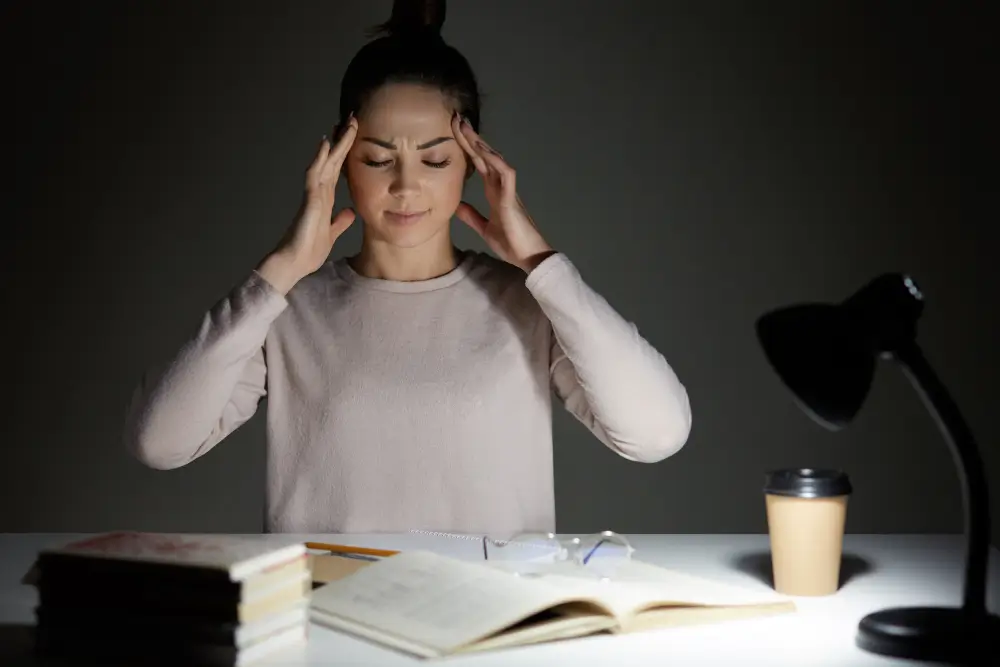
Feeling lightheaded during anxiety can be alarming, especially when it happens suddenly. Many people describe it as a floating sensation, dizziness, or feeling like they might faint. This condition, known as anxiety-related dizziness, is not just “in your head”—it has a clear biological explanation.
Understanding the science behind anxiety dizziness symptoms, stress dizziness causes, and lightheadedness due to anxiety can help you manage it more effectively and reduce fear associated with the condition.
What is Anxiety-Related Dizziness?
Anxiety-related dizziness is a physical symptom triggered by emotional stress, panic attacks, or chronic anxiety. It often feels like:
- Lightheadedness or faintness
- A floating or unsteady sensation
- Brain fog or disorientation
- Feeling disconnected from surroundings
This type of dizziness is usually linked to nervous system imbalance rather than a structural issue in the inner ear.
The Science Behind Anxiety and Lightheadedness
To understand why anxiety causes lightheadedness, you need to look at how your body reacts to stress.
1. Fight-or-Flight Response
When you feel anxious, your body activates the fight-or-flight response, releasing stress hormones like adrenaline and cortisol. These hormones prepare your body for danger but also cause physical changes.
- Increased heart rate
- Faster breathing
- Changes in blood pressure
These shifts can reduce blood flow to the brain temporarily, leading to lightheadedness due to anxiety.
2. Hyperventilation and Oxygen Imbalance
One of the biggest causes of anxiety dizziness symptoms is hyperventilation.
- Rapid breathing reduces carbon dioxide (CO2) levels
- Blood vessels in the brain constrict
- Oxygen delivery becomes less efficient
This imbalance can directly cause dizziness and faintness.
3. Reduced Blood Flow to the Brain
During anxiety, your body redirects blood to muscles to prepare for action. While this is useful in real danger, it can result in:
- Reduced blood flow to the brain
- Temporary oxygen shortage
- Feeling dizzy or faint
This explains why stress dizziness causes are often linked to physical survival responses.
4. Nervous System Overload
Anxiety overstimulates the autonomic nervous system, which controls balance, heart rate, and breathing.
- Disrupts communication between brain and body
- Affects balance and coordination
- Leads to chronic dizziness
This is why people with chronic anxiety often experience persistent dizziness and panic attacks.
5. Impact on the Inner Ear (Vestibular System)
The inner ear plays a key role in balance. Stress hormones can interfere with this system.
- Alters balance signals
- Causes instability or swaying sensation
- Leads to chronic dizziness anxiety
This explains why anxiety can mimic vertigo-like symptoms.
6. Muscle Tension and Posture Changes
Anxiety causes muscle tension, especially in the neck and shoulders.
- Restricts blood flow
- Affects posture and balance
- Contributes to lightheadedness
Muscle tension is often overlooked but plays a key role in anxiety dizziness symptoms.
Common Symptoms of Anxiety Dizziness
Recognizing anxiety dizziness symptoms can help you differentiate them from other conditions:
- Lightheadedness or faint feeling
- Feeling off-balance or unsteady
- Brain fog and confusion
- Rapid heartbeat
- Shortness of breath
- Sweating or nausea
These symptoms may occur during panic attacks or persist with chronic stress.
Anxiety Dizziness vs Vertigo
Understanding the difference is important for proper treatment.
Anxiety Dizziness
- Feels like lightheadedness or floating
- Triggered by stress or panic
- Comes and goes
Vertigo
- Spinning sensation
- Often caused by inner ear problems
- May be constant or positional
If symptoms are unclear, medical evaluation is recommended.
When to See a Doctor
While lightheadedness due to anxiety is usually not dangerous, you should seek medical help if:
- Symptoms are severe or persistent
- You experience fainting
- There are new or unusual symptoms
- Dizziness affects daily life
Proper diagnosis ensures the right treatment for anxiety-related dizziness.
Effective Treatment for Anxiety-Related Dizziness
Managing stress dizziness causes requires a holistic approach.
1. Breathing Techniques
- Practice slow, deep breathing
- Helps restore oxygen balance
- Reduces hyperventilation
2. Stress Management
- Meditation and mindfulness
- Yoga and relaxation techniques
- Cognitive behavioral therapy (CBT)
3. Diet and Nutrition
- Maintain stable blood sugar levels
- Stay hydrated
- Avoid caffeine and alcohol
4. Medical and Integrative Treatment
- Address hormonal imbalance
- Treat nutrient deficiencies
- Support gut-brain connection
At Patients Medical, a functional medicine approach is used to treat the root cause of chronic dizziness anxiety.
Prevention Tips
To reduce anxiety dizziness symptoms, follow these tips:
- Get adequate sleep
- Exercise regularly
- Practice relaxation techniques
- Maintain a balanced diet
- Avoid triggers like stress and caffeine
Consistency is key to preventing recurrence.
Conclusion
Why do you feel lightheaded during anxiety? The answer lies in your body’s natural stress response. From hyperventilation to hormonal changes and nervous system imbalance, multiple factors contribute to lightheadedness due to anxiety.
Understanding these mechanisms can help reduce fear, improve management, and guide you toward effective treatment for anxiety-related dizziness.
Frequently Asked Questions (FAQs)
Q. Why does anxiety make me feel lightheaded?
A. Anxiety triggers the fight-or-flight response, causing rapid breathing, reduced blood flow to the brain, and imbalance in oxygen levels, leading to lightheadedness.
Q. Is anxiety dizziness dangerous?
A. Anxiety dizziness symptoms are usually not dangerous, but persistent or severe symptoms should be evaluated by a doctor.
Q. How long does anxiety dizziness last?
A. It can last from a few minutes during panic attacks to longer periods in chronic anxiety, depending on stress levels.
Q. Can hyperventilation cause dizziness?
A. Yes, hyperventilation disrupts oxygen and carbon dioxide balance, which is a major cause of lightheadedness due to anxiety.
Q. How can I stop dizziness from anxiety quickly?
A. Practice deep breathing, sit or lie down, hydrate, and focus on calming techniques to reduce anxiety dizziness symptoms.
If you are struggling with anxiety dizziness symptoms, lightheadedness, or chronic stress, don’t ignore the signs.
At Patients Medical, we offer advanced integrative treatment for anxiety-related dizziness, focusing on the root cause for long-term relief.
📞 Call Now: (212) 794-8800
📧 Email: info@patientsmedical.com
Take control of your health and regain balance—physically and mentally—starting today.