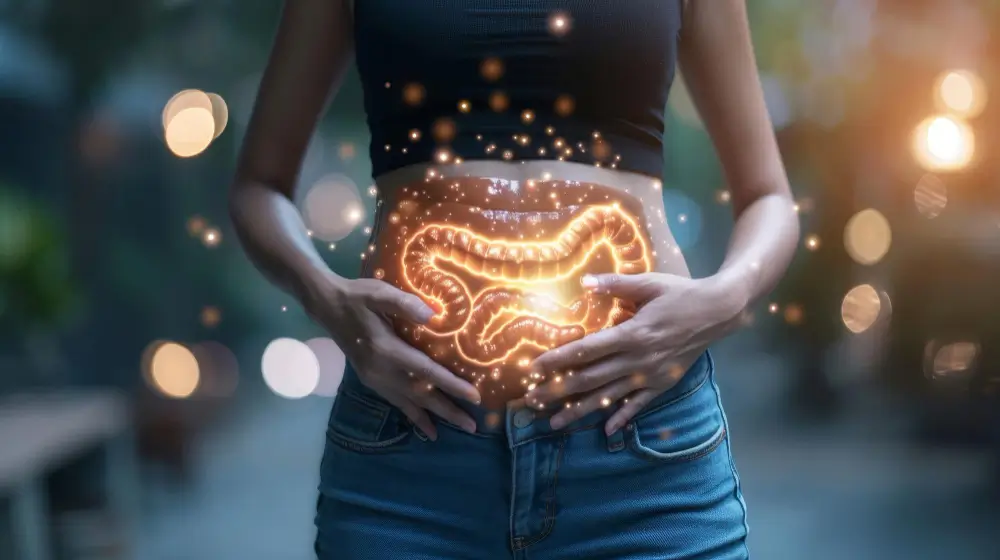
Your gut and hormones are deeply connected. When digestion is disrupted — from inflammation, dysbiosis, leaky gut, or nutrient deficiencies — it can throw off key hormones like estrogen, cortisol, thyroid hormones, insulin, and serotonin. This page explains how gut health drives hormonal balance, why symptoms often overlap, and how restoring gut function can improve energy, mood, weight, fertility, skin, sleep and overall well-being.
FAST FACTS
- Gut-Hormone Link: Over 70% of hormone regulation depends on gut function
- Main Hormones Affected: Estrogen, progesterone, testosterone, thyroid hormones, cortisol, insulin & serotonin
- Root Causes Found in the Gut: Inflammation, leaky gut, dysbiosis, poor nutrient absorption, toxic buildup
- Systems Affected: Mood, metabolism, weight, PMS/menopause symptoms, fertility, skin, sleep, immune health
- Ideal For: Women with fatigue, bloating, mood swings, PMS, thyroid issues, PCOS, perimenopause or unexplained hormonal symptoms
HOW GUT ISSUES DISRUPT HORMONES
- Microbiome Imbalance: Bad bacteria → estrogen dominance, PMS, acne, weight gain
- Leaky Gut: Inflammation → cortisol spikes → adrenal fatigue & thyroid slow-down
- Poor Absorption: Low nutrients → low progesterone, thyroid dysfunction, low energy
- Constipation / Slow Detox: Impaired estrogen clearance → heavy periods, bloating, breast tenderness
- Stress & Cortisol: Chronic gut stress → high cortisol → blood sugar imbalance + hormonal chaos
WHAT IMPROVES WHEN YOU HEAL YOUR GUT
- Balanced estrogen + progesterone
- Better thyroid function (T3/T4 conversion in the gut)
- Improved mood, sleep & serotonin levels
- Reduced bloating, cravings & belly fat
- Better fertility & menstrual regularity
- Stable blood sugar & reduced inflammation
TOP QUESTIONS ANSWERED
- How does gut inflammation affect hormones like estrogen & cortisol?
- Can gut problems cause PMS, PCOS, thyroid imbalance or mood swings?
- What gut tests help diagnose root hormonal issues?
- How does the microbiome influence weight, cravings & mood?
- Can healing the gut improve fertility and perimenopause symptoms?
Recommended Next Steps
- Schedule a Gut + Hormone Evaluation (stool test, hormone panel, micronutrients)
- Start a Gut Repair Protocol — anti-inflammatory nutrition, probiotics, digestive support
- Balance hormones through BHRT, supplements, thyroid support or adrenal reset
- Reduce inflammation with diet, stress regulation & detox support
- Follow a personalized functional medicine plan to restore long-term digestive & hormonal balance
Gut Health and Hormones: Why Your Digestion Affects Everything
When we think about hormones, we often focus on major glands like the thyroid, ovaries/testes, or adrenal glands. But what if I told you that your gut — the massive ecosystem of microbes and intestinal cells inside you — plays a central role in regulating hormones too? As research advances, we now understand that gut health and hormone balance are deeply intertwined. Poor digestion or an imbalanced gut microbiome can disrupt hormone levels, affecting everything from metabolism and mood to reproductive health and immunity.
In this post, we explore how your digestion influences your hormonal health, why a healthy gut matters for overall wellness, and practical steps to support gut-hormone harmony.
The Gut as an Endocrine Powerhouse
- The trillions of microbes living in your gut — collectively called the gut microbiota — are not just passive passengers; they actively influence digestion, metabolism, immunity, and hormone regulation.
- Because of their widespread influence, many scientists now refer to the gut microbiota as a kind of “neglected endocrine organ.”
- These microbes produce metabolites (like short-chain fatty acids) and other bioactive compounds that feed gut cells, support gut lining integrity, and influence systemic processes.
How Gut Microbes & Digestion Influence Hormones
Gut Hormones: More Than Just Digestion
Your gut isn’t just about extracting nutrients — specialized cells in the gut lining secrete hormones that influence appetite, metabolism, digestion speed, and immune responses. These include hormones like glucagon-like peptide 1 (GLP-1), peptide YY (PYY), and gut-derived peptides that send signals to your brain, liver, pancreas, and more.
When your gut microbiota is healthy, these gut-derived hormones are balanced, supporting healthy digestion, metabolic regulation, and even mood.
Microbiome and Sex Hormones
Studies show a bidirectional relationship between gut microbes and sex hormones (like estrogen, progesterone, androgen). Not only do hormones influence which bacterial species thrive, but the microbiota itself influences how much active hormone is present in the body.
One key mechanism: the microbial community known as the estrobolome — a subset of gut bacteria that produce enzymes (e.g. β-glucuronidase) that modulate estrogen metabolism and re-absorption.
If the estrobolome is out of balance (dysbiosis), estrogen may be reabsorbed excessively instead of being excreted — potentially leading to estrogen dominance and contributing to hormonal imbalances.
Metabolism, Insulin & Stress Hormones
Gut microbes also influence metabolic hormones (like insulin) and stress-related pathways. Disruptions in gut health — for instance microbial imbalance — have been linked to metabolic dysfunction, insulin resistance, and changes in how the body deals with stress.
This means that poor gut health doesn’t just cause digestive discomfort — it can ripple into metabolic disorders, weight issues, and chronic health problems.
Impact on Immune System, Inflammation & Mental Health
The gut plays a central role in immune regulation. Microbial metabolites and gut hormones influence immune cells, inflammatory pathways, and even neural signaling.
Through what’s known as the gut–brain axis, the gut communicates with the brain and endocrine system, affecting mood, stress response, and behavior.
Hormonal fluctuations — for example during puberty, menstrual cycles, menopause — can also influence gut microbiota composition and gut function.
Why This Matters: Health Consequences of Gut-Hormone Disruption
When gut health is compromised (e.g. poor diet, low fiber, dysbiosis, inflammation), the ripple effects can be wide:
- Hormonal imbalances: irregular menstrual cycles, estrogen dominance, androgen imbalance.
- Metabolic issues: insulin resistance, weight gain, lipid abnormalities.
- Mood, stress, energy problems: thanks to disrupted gut–brain–hormone signaling.
- Reproductive issues: fertility disruptions, PCOS, complications related to estrogen imbalance.
- Immune or inflammatory conditions: skin issues, autoimmune flares, general inflammation.
Steps to Support a Healthy Gut–Hormone Balance
Here are practical, science-backed steps you can take to support gut health — and by extension, hormonal harmony:
- Eat a fibre-rich, diverse diet. Fiber feeds beneficial gut bacteria; these bacteria produce short-chain fatty acids that nourish gut lining and support hormonal/metabolic pathways.
- Include fermented & probiotic foods (or probiotic supplements). A balanced microbiota helps estrogen metabolism (via the estrobolome) and supports production of gut-derived hormones.
- Avoid excessive processed foods, high sugar and unhealthy fats. Such diets can disrupt microbial balance and trigger inflammation, which interferes with hormone regulation.
- Manage stress and get adequate sleep. Stress and disrupted sleep affect gut-brain-hormone signaling through the gut–brain axis.
- Consider prebiotics & probiotic support when needed. Prebiotics (fibers that feed good bacteria) and probiotics can help restore balance if gut flora is disturbed.
- Regular check-ups, especially during hormonal shifts (puberty, pregnancy, menopause). Hormonal changes can affect gut health — so paying attention during these periods is key.
Frequently Asked Questions (FAQ)
Q. How does gut health affect hormone levels?
Ans : The gut microbiota can modulate hormone levels by producing metabolites, regulating gut hormones, and influencing how sex hormones (like estrogen) are reactivated or eliminated — thereby affecting systemic hormone balance.
Q. What is the estrobolome and why is it important?
Ans : The estrobolome is a subset of gut bacteria that produce enzymes (e.g. β-glucuronidase) which deconjugate estrogens in the gut. This process influences how much active estrogen is reabsorbed — affecting hormonal balance, especially in women.
Q. Can gut imbalance lead to hormonal disorders like PCOS or irregular periods?
Ans : Yes — research suggests that gut dysbiosis can influence sex hormones, insulin sensitivity, and metabolic pathways, which are often involved in disorders like PCOS, irregular menstrual cycles, and estrogen-related issues.
Q. Does the gut influence metabolic hormones like insulin?
Ans : Absolutely. The gut microbiota and gut-derived hormones play roles in metabolism, glucose regulation, and insulin sensitivity. Disruptions in gut health can contribute to metabolic dysfunction and insulin resistance.
Q. Can improving gut health help with mood, stress or mental health?
Ans : Yes — via the gut–brain axis: gut microbes influence gut-brain signaling, hormone secretion, immune function, and neurochemical balance, all of which can affect mood, stress responses, and overall mental well-being.
Q. Are there particular phases in life when gut–hormone interaction is more important?
Ans : Yes — life phases like puberty, menstruation, pregnancy, and menopause involve major hormonal shifts. During these times, gut health can significantly impact how the body handles hormonal changes.
Q. What diet helps maintain a healthy gut and hormone balance?
Ans : A balanced diet rich in fiber, whole grains, prebiotic and probiotic foods, fresh fruits and vegetables — while limiting processed foods, sugars, and unhealthy fats — supports a diverse, healthy gut microbiome and thus helps hormonal balance.
Q. Can probiotic or prebiotic supplements help if gut health is poor?
Ans : They can — especially when combined with a gut-friendly diet. Probiotics help restore beneficial bacteria; prebiotics feed those bacteria. Together, they support microbial balance, gut hormone regulation, and overall wellness.
Q. How quickly can gut health improvements affect hormones?
Ans : This varies depending on individual factors (age, diet, lifestyle, hormonal status). Some people may notice improved digestion, mood, or energy within weeks; for hormone-related changes (e.g. menstrual regularity, metabolic shifts), it may take several months of consistent gut-healthy habits.
Q. Should I talk to a doctor before trying to “fix” my gut for hormones?
Ans : Yes. If you have hormonal disorders, digestive issues, or other health conditions (e.g. PCOS, metabolic syndrome, menopause symptoms), consulting a healthcare professional is important before starting supplements or major diet changes.
Your gut — often overlooked — plays a central role in regulating hormones, metabolism, immunity, and even mood. When gut health is compromised, the effects ripple out across your entire physiology, potentially triggering digestive issues, hormonal imbalances, metabolic changes, stress, and more. The good news? You can take simple, science-backed steps — diet, lifestyle, gut-friendly habits — toward restoring balance and improving overall well-being.
Take action today: if you’ve been struggling with digestion issues, hormonal symptoms, mood swings or metabolic concerns — consider starting with a gut-health reset. Eat more fiber, cut down processed foods, incorporate probiotics/prebiotics, manage stress, and observe how your body responds.

Dr. Kulsoom Baloch
Dr. Kulsoom Baloch is a dedicated donor coordinator at Egg Donors, leveraging her extensive background in medicine and public health. She holds an MBBS from Ziauddin University, Pakistan, and an MPH from Hofstra University, New York. With three years of clinical experience at prominent hospitals in Karachi, Pakistan, Dr. Baloch has honed her skills in patient care and medical research.
- Dr. Kulsoom Baloch

- Dr. Kulsoom Baloch

- Dr. Kulsoom Baloch

- Dr. Kulsoom Baloch