AI Overview
Craniosacral therapy is a gentle, non-invasive complementary treatment that uses light touch to release tension in the craniosacral system, which includes the brain, spinal cord, and surrounding tissues. It is generally considered safe when performed by trained professionals and is often used to support stress relief, pain management, and nervous system balance. Most patients experience relaxation and minimal side effects, such as mild fatigue or lightheadedness after sessions. However, scientific evidence supporting its effectiveness is still limited, and medical experts recommend using craniosacral therapy as a complementary treatment rather than a replacement for conventional medical care. Patients with conditions like brain injuries, blood clots, or cerebrospinal fluid pressure disorders should consult a healthcare provider before starting treatment.
Understanding Craniosacral Therapy
Craniosacral therapy is a gentle hands-on treatment designed to release tension in the connective tissues surrounding the brain and spinal cord. The therapy focuses on improving the function of the craniosacral system, which plays an important role in nervous system regulation and overall body balance.
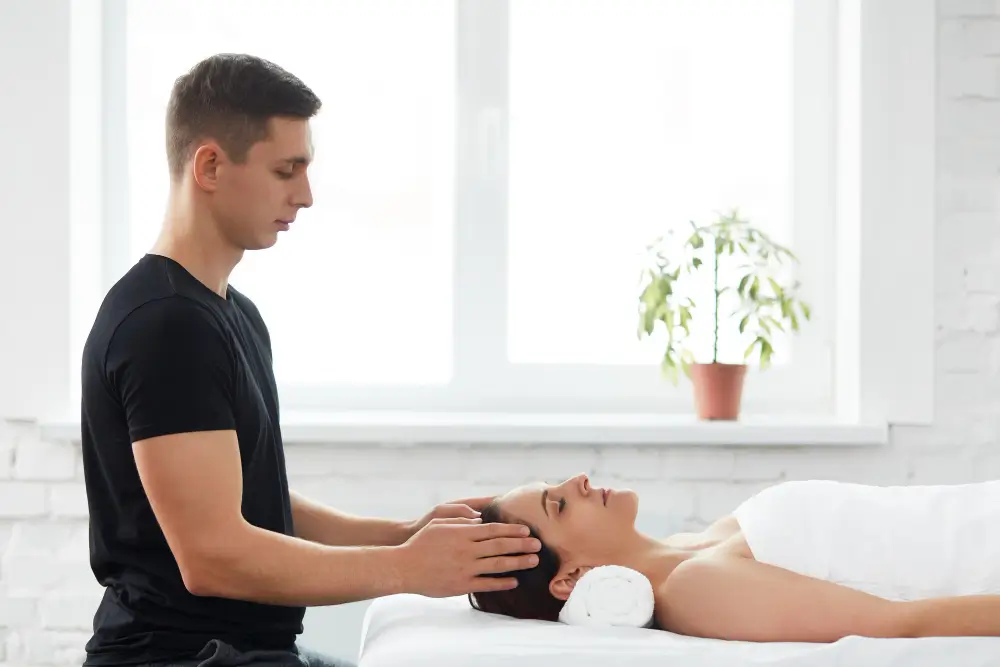
Practitioners use light touch to assess and release restrictions in the skull, spine, and sacrum, helping the body enter a relaxed and healing state. This approach is commonly used in integrative and functional medicine clinics to support stress reduction, chronic pain relief, and overall wellness.
Healthcare providers typically recommend craniosacral therapy as part of a broader treatment plan that includes conventional medicine and lifestyle interventions.
Is Craniosacral Therapy Safe?
Generally Considered a Low-Risk Therapy
Craniosacral therapy is widely considered a safe and gentle treatment when performed by trained professionals. The technique uses very light pressure, making it less invasive than many manual therapies.
Because of its gentle nature, the therapy is commonly used for both adults and children and is often recommended as a complementary therapy to help manage symptoms such as pain, stress, and tension.
Most patients tolerate the treatment well and experience deep relaxation during and after sessions.
Possible Side Effects
Although craniosacral therapy is generally safe, some patients may experience mild temporary side effects, including:
- Lightheadedness
- Mild fatigue
- Temporary soreness
- Dizziness
- Emotional release
- Mild discomfort
These effects usually resolve quickly and are not considered serious.
Patients are advised to rest and stay hydrated after treatment to support recovery and reduce temporary symptoms.
Who Should Avoid Craniosacral Therapy
Certain individuals should consult a healthcare provider before undergoing craniosacral therapy.
This includes patients with:
- Brain aneurysm
- Blood clots
- Brain swelling
- Severe head injury
- Concussion
- Cerebrospinal fluid pressure disorders
In such cases, therapy may be delayed or avoided to ensure patient safety.
Medical consultation is always recommended before starting any complementary treatment.
Benefits of Craniosacral Therapy
Stress Reduction and Relaxation
One of the primary benefits of craniosacral therapy is deep relaxation. The gentle touch helps calm the nervous system and reduce stress levels, which can improve overall well-being.
Many patients report feeling calmer and more balanced after treatment sessions.
Pain and Tension Relief
Craniosacral therapy may help reduce symptoms such as:
- Headaches and migraines
- Neck and back pain
- Muscle tension
- Joint discomfort
- Postural strain
The therapy works by releasing tension in connective tissues and improving circulation.
Support for Emotional and Mental Health
By calming the nervous system, craniosacral therapy may help reduce anxiety and improve mood.
Some patients experience emotional release and mental clarity, which supports overall healing and stress management.
Improved Sleep and Energy
Relaxation and nervous system balance often lead to better sleep quality and increased energy levels, helping patients feel more refreshed and focused.
Research is ongoing, and results may vary among individuals.
How Craniosacral Therapy Works
Gentle Touch and Tissue Release
Craniosacral therapy focuses on releasing restrictions in fascia, the connective tissue that surrounds organs, muscles, and nerves.
By applying gentle pressure, practitioners aim to improve the body’s natural self-regulation and healing processes.
Nervous System Regulation
The therapy encourages the parasympathetic nervous system, also known as the “rest and digest” system.
This helps reduce stress hormones, improve relaxation, and support healing.
Improving Fluid Movement
Craniosacral therapy is believed to enhance cerebrospinal fluid movement, which supports brain and spinal cord health.
Although this concept is widely discussed in integrative medicine, scientific validation is still limited.
What Happens During a Craniosacral Therapy Session
Initial Medical Consultation
The process begins with a consultation to review:
- Medical history
- Symptoms
- Lifestyle factors
- Treatment goals
This ensures safe and personalized care.
Hands-On Treatment
During the session:
- The patient lies comfortably on a treatment table
- The practitioner applies light touch to the head and spine
- Gentle movements help release tension
- The session lasts 30 to 60 minutes
Patients often feel relaxed and calm during treatment.
Post-Treatment Experience
After the session, patients may notice:
- Reduced stress
- Better sleep
- Less pain
- Improved mood
- Increased relaxation
Multiple sessions may be recommended for long-term results.
Scientific Evidence and Treatment Insights
Limited but Ongoing Research
Craniosacral therapy has been studied for various conditions, including chronic pain and neurological disorders. Some studies suggest symptom relief, while others highlight limited scientific evidence.
Medical experts generally agree that craniosacral therapy should be used as a complementary therapy rather than a primary treatment.
Complementary Approach to Healthcare
Craniosacral therapy works best when combined with:
- Conventional medical treatment
- Physical therapy
- Stress management
- Nutrition and lifestyle support
- Functional medicine
This integrative approach improves overall treatment outcomes and ensures patient safety.
Importance of Professional Care
Receiving treatment from trained healthcare professionals is essential to ensure safety and effectiveness.
Patients should always discuss their medical conditions with a qualified provider before starting therapy.
Why Choose Patients Medical for Craniosacral Therapy in NYC
Integrative Medical Expertise
Patients Medical offers craniosacral therapy as part of a comprehensive integrative treatment plan designed to support whole-body healing and nervous system balance.
Personalized Treatment Plans
Each patient receives individualized care based on medical history, symptoms, and long-term health goals.
Safe and Evidence-Informed Approach
The clinic follows a careful and medically guided approach to ensure craniosacral therapy is safe and appropriate for each patient.
Holistic Healing Environment
Patients Medical provides a supportive and calming environment that promotes relaxation and recovery.
Start Your Craniosacral Therapy Journey Safely
Craniosacral therapy is a gentle and low-risk complementary treatment that may help reduce stress, relieve pain, and support nervous system health. While research is still evolving, many patients benefit from its relaxing and restorative effects when used alongside conventional medical care.
Consulting experienced healthcare professionals ensures safe treatment and better long-term results.
If you are considering craniosacral therapy, a personalized and integrative approach can help you achieve improved health and overall wellness.
Frequently Asked Questions
Q. Is craniosacral therapy safe for everyone?
Ans. Craniosacral therapy is generally safe, but patients with brain injuries, blood clots, or neurological conditions should consult a doctor before treatment.
Q. Are there any side effects of craniosacral therapy?
Ans. Most side effects are mild and temporary, such as dizziness, fatigue, or slight discomfort after sessions.
Q. How many craniosacral therapy sessions are needed?
Ans. The number of sessions depends on the condition and treatment goals, but many patients benefit from regular sessions.
Q. Can craniosacral therapy replace medical treatment?
Ans. No, it should be used as a complementary therapy alongside conventional medical care.
Q. Is craniosacral therapy scientifically proven?
Ans. Research is ongoing, and while some studies show benefits, scientific evidence is still limited.
Looking for safe and professional craniosacral therapy in NYC?
Patients Medical offers personalized integrative care designed to reduce stress, relieve pain, and support your nervous system naturally.
Call now: (212) 794-8800
Email: info@patientsmedical.com
Schedule your craniosacral therapy consultation today and begin your journey toward safe, natural healing and better health.

Dr. Kulsoom Baloch
Dr. Kulsoom Baloch is a dedicated donor coordinator at Egg Donors, leveraging her extensive background in medicine and public health. She holds an MBBS from Ziauddin University, Pakistan, and an MPH from Hofstra University, New York. With three years of clinical experience at prominent hospitals in Karachi, Pakistan, Dr. Baloch has honed her skills in patient care and medical research.