AI Overview
The appearance and health of your skin are influenced by more than skincare products and cosmetic treatments. Hormones play a critical role in maintaining skin elasticity, hydration, collagen production, and overall youthful appearance. As hormone levels fluctuate due to aging, stress, lifestyle factors, menopause, thyroid disorders, or other health conditions, the skin often reflects these changes through wrinkles, dryness, sagging, acne, and uneven pigmentation.
Many people focus on topical treatments to combat aging, but addressing underlying hormonal imbalances may provide more comprehensive and lasting improvements. At Patients Medical in NYC, we take an integrative approach to skin rejuvenation by evaluating the connection between hormones, overall health, and skin aging. Combined with advanced treatments like Thermirase, this approach helps support natural skin renewal and long-term wellness.
Why Hormones Matter for Skin Health
Hormones act as chemical messengers that regulate numerous functions throughout the body, including skin maintenance and repair. Healthy hormone levels help maintain:
- Collagen production
- Skin hydration
- Elasticity
- Cellular turnover
- Wound healing
- Oil production
- Inflammation control
When hormone levels become imbalanced, the skin may lose its ability to repair itself efficiently, leading to visible signs of aging.
The Aging Process and Hormonal Changes
As people age, hormone production naturally changes. These fluctuations often become more noticeable after age 30 and may accelerate during menopause, andropause, or periods of chronic stress.
Reduced Collagen Production
Hormonal declines can significantly reduce collagen synthesis. Since collagen provides structural support to the skin, lower levels contribute to fine lines, wrinkles, and skin laxity.
Loss of Skin Elasticity
Hormones help maintain elastin fibers that keep skin firm and resilient. Reduced hormone levels may result in sagging and loss of firmness.
Decreased Hydration
Hormonal shifts can weaken the skin’s moisture barrier, causing dryness, rough texture, and increased sensitivity.
Slower Skin Regeneration
Cellular turnover naturally slows with age, making it more difficult for the skin to repair damage and maintain a youthful appearance.
Estrogen and Skin Aging
The Role of Estrogen
Estrogen is one of the most important hormones for healthy skin. It supports collagen production, skin thickness, moisture retention, and blood flow.
Women often experience noticeable skin changes during perimenopause and menopause due to declining estrogen levels.
Effects of Low Estrogen
Low estrogen levels may lead to:
- Increased wrinkles
- Skin thinning
- Dryness
- Reduced elasticity
- Loss of facial volume
- Slower wound healing
Studies suggest that collagen loss can accelerate significantly during the first years of menopause, contributing to visible signs of aging.
Cortisol: The Stress Hormone and Skin Health
How Stress Affects Aging
Cortisol is produced in response to stress. While short-term increases are normal, chronic stress can keep cortisol levels elevated and negatively impact skin health.
Effects of High Cortisol Levels
Elevated cortisol may contribute to:
- Collagen breakdown
- Increased inflammation
- Acne flare-ups
- Delayed healing
- Skin sensitivity
- Premature wrinkles
Managing stress is often a crucial component of any anti-aging strategy.
Supporting Healthy Cortisol Levels
Healthy habits that may help regulate cortisol include:
- Regular physical activity
- Meditation
- Deep breathing exercises
- Quality sleep
- Balanced nutrition
Thyroid Hormones and Skin Appearance
Understanding Thyroid Function
The thyroid gland regulates metabolism and energy production. When thyroid hormones become imbalanced, skin health may suffer.
Signs of Thyroid-Related Skin Changes
Common symptoms include:
- Dry skin
- Rough texture
- Puffiness
- Hair thinning
- Brittle nails
- Slowed healing
Optimizing thyroid health can often improve both skin appearance and overall well-being.
Insulin and Premature Skin Aging
The Blood Sugar Connection
Insulin regulates blood sugar levels. When insulin resistance develops, excess glucose can damage collagen through a process known as glycation.
What Is Glycation?
Glycation occurs when sugar molecules attach to proteins such as collagen and elastin. This process weakens these structural components and accelerates aging.
Effects of Glycation on Skin
- Wrinkles
- Sagging skin
- Reduced elasticity
- Dull complexion
- Increased inflammation
Maintaining stable blood sugar levels can help preserve skin structure and function.
Testosterone and Skin Health
The Importance of Testosterone
Testosterone influences skin thickness, collagen production, and tissue repair in both men and women.
Balanced testosterone levels may help maintain:
- Skin firmness
- Healthy oil production
- Tissue regeneration
- Collagen support
When Testosterone Is Imbalanced
Too much or too little testosterone may contribute to:
- Acne
- Oily skin
- Hair loss
- Skin thinning
- Accelerated aging
A comprehensive hormonal assessment can help identify these underlying issues.
Common Skin Problems Linked to Hormonal Imbalances
Adult Acne
Hormonal fluctuations often stimulate excess oil production, leading to breakouts even in adulthood.
Hyperpigmentation
Changes in hormone levels can trigger melanin production, resulting in dark spots and uneven skin tone.
Rosacea and Chronic Redness
Hormonal changes may worsen inflammatory skin conditions and increase skin sensitivity.
Wrinkles and Sagging
When hormones no longer adequately support collagen and elastin production, wrinkles and skin laxity become more noticeable.
How Thermirase Supports Aging Skin
A Non-Invasive Skin Rejuvenation Option
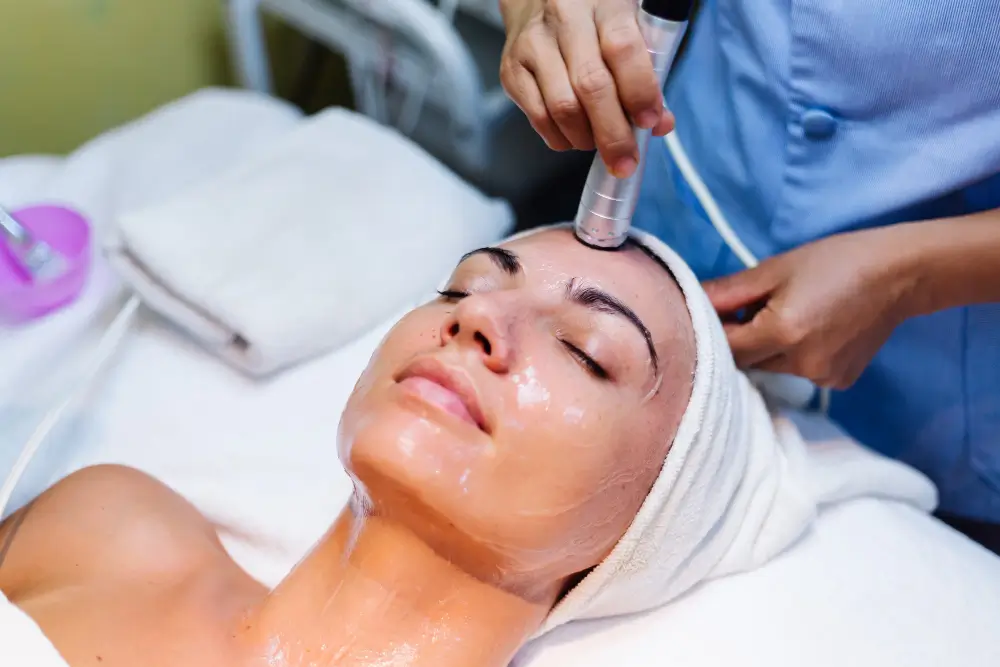
Thermirase is an advanced treatment designed to stimulate natural collagen production using controlled thermal energy. Unlike injectables that temporarily address symptoms, Thermirase focuses on supporting the skin’s natural regenerative processes.
Benefits of Thermirase
- Non-surgical treatment
- No injections required
- Stimulates collagen production
- Improves skin firmness
- Enhances elasticity
- Smooths fine lines
- Minimal downtime
- Natural-looking results
For individuals experiencing skin aging related to hormonal changes, Thermirase may be an effective addition to a personalized wellness and rejuvenation plan.
Nutrition for Healthy Hormones and Healthy Skin
Key Nutrients for Skin Support
Nutrition plays a major role in both hormone balance and skin health.
Important nutrients include:
- Vitamin C
- Omega-3 fatty acids
- Zinc
- Magnesium
- Vitamin E
- Protein
- Antioxidants
These nutrients help support collagen production, reduce inflammation, and protect skin from oxidative stress.
The Importance of Hydration
Proper hydration supports skin elasticity, cellular function, and detoxification processes that contribute to a healthy complexion.
Sleep and Skin Regeneration
How Sleep Affects Hormones
During sleep, the body produces growth hormone and performs essential repair processes. Poor sleep can disrupt hormone balance and accelerate aging.
Effects of Sleep Deprivation
Insufficient sleep may lead to:
- Increased cortisol
- Reduced collagen production
- Dull skin
- Puffiness
- Increased inflammation
Prioritizing quality sleep can support both hormonal health and skin rejuvenation.
An Integrative Approach to Skin Rejuvenation
At Patients Medical, we understand that healthy skin begins with whole-body wellness. Rather than focusing solely on cosmetic concerns, our providers evaluate potential underlying factors such as hormonal imbalances, nutritional deficiencies, inflammation, stress, and lifestyle habits.
By combining advanced treatments like Thermirase with personalized wellness strategies, patients can achieve healthier skin while supporting long-term vitality.
Conclusion
Hormones have a profound impact on skin health and aging. Changes in estrogen, cortisol, thyroid hormones, insulin, and testosterone can contribute to wrinkles, dryness, sagging, acne, and other visible signs of aging. Understanding the connection between hormones and skin allows for a more comprehensive approach to rejuvenation.
Through hormonal evaluation, lifestyle optimization, nutritional support, stress management, and advanced treatments such as Thermirase, individuals can address both the causes and symptoms of skin aging. A personalized, integrative approach offers the potential for healthier, more youthful-looking skin at any age.
Frequently Asked Questions
Q. Can hormone imbalance cause wrinkles?
Ans. Yes. Hormonal imbalances can reduce collagen production and skin elasticity, leading to wrinkles and sagging skin.
Q. Which hormone is most important for youthful skin?
Ans. Estrogen plays a major role in maintaining collagen, hydration, elasticity, and overall skin health.
Q. Can stress make my skin age faster?
Ans. Yes. Chronic stress increases cortisol levels, which may accelerate collagen breakdown and contribute to premature aging.
Q. How does Thermirase help aging skin?
Ans. Thermirase stimulates natural collagen production, helping improve skin firmness, texture, and elasticity without surgery.
Q. Can balancing hormones improve skin appearance?
Ans. In many cases, optimizing hormone health may improve hydration, collagen production, elasticity, and overall skin quality.
Restore Your Skin From the Inside Out
If you’re experiencing wrinkles, sagging skin, dryness, or other signs of aging, hormonal imbalances may be playing a role. At Patients Medical, we offer comprehensive evaluations and personalized treatment plans designed to support both skin health and overall wellness.
Learn how Thermirase and integrative anti-aging therapies can help you achieve healthier, younger-looking skin naturally.
Call: (212) 794-8800
Email: info@patientsmedical.com
Schedule your consultation today and discover a personalized path to vibrant, youthful skin.

Dr. Kulsoom Baloch
Dr. Kulsoom Baloch is a dedicated donor coordinator at Egg Donors, leveraging her extensive background in medicine and public health. She holds an MBBS from Ziauddin University, Pakistan, and an MPH from Hofstra University, New York. With three years of clinical experience at prominent hospitals in Karachi, Pakistan, Dr. Baloch has honed her skills in patient care and medical research.
- Dr. Kulsoom Baloch

- Dr. Kulsoom Baloch

- Dr. Kulsoom Baloch

- Dr. Kulsoom Baloch