AI Overview
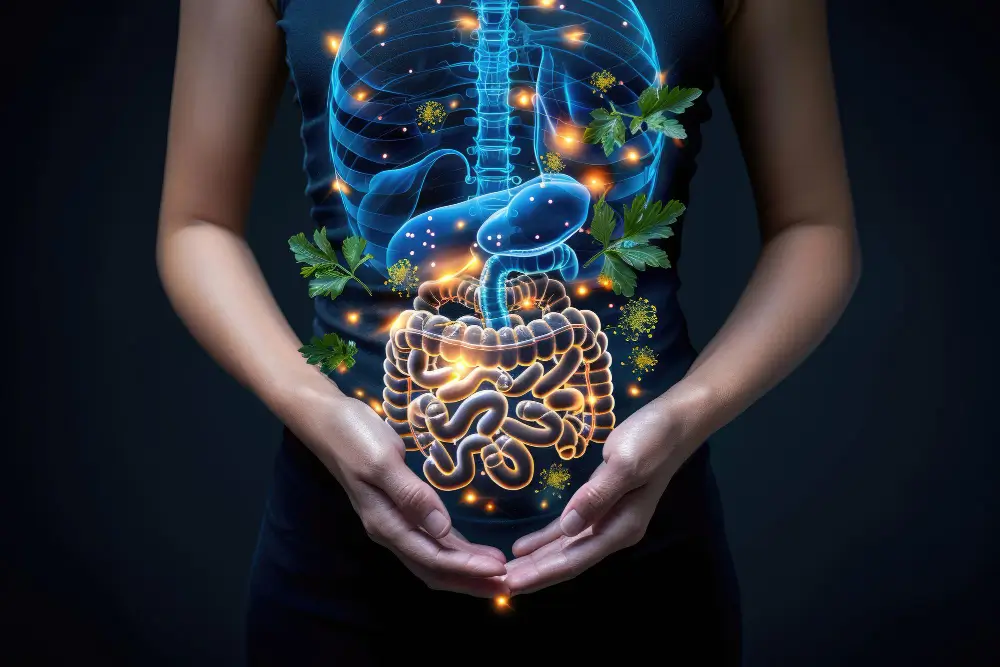
Gut health plays a much larger role in women’s wellness than many people realize. Beyond digestion, the gut influences hormone regulation, immune function, metabolism, mood, and overall health. An unhealthy gut can contribute to hormone imbalances involving estrogen, progesterone, cortisol, insulin, and thyroid hormones, potentially leading to symptoms such as weight gain, fatigue, mood swings, irregular periods, bloating, and difficulty managing conditions like PCOS and menopause. Research increasingly shows that maintaining a healthy gut microbiome—the community of beneficial bacteria living in the digestive tract—is essential for optimal hormone balance. At Patients Medical in NYC, we take an integrative approach to evaluating gut health and hormonal function to help women achieve lasting wellness from the inside out.
Understanding the Gut-Hormone Connection
The digestive system does much more than process food. The gut contains trillions of microorganisms collectively known as the gut microbiome. These bacteria help digest nutrients, support immunity, reduce inflammation, and influence hormone production and metabolism.
When the gut microbiome is balanced, hormones can be properly produced, utilized, and eliminated. However, disruptions in gut health can interfere with these processes, leading to hormonal imbalances that affect multiple aspects of a woman’s health.
Because hormones and gut function are closely connected, problems in one area often contribute to problems in the other.
Why Gut Health Matters for Women
Women experience significant hormonal changes throughout life, including puberty, pregnancy, postpartum recovery, perimenopause, and menopause.
A healthy gut helps support these transitions by:
- Regulating estrogen metabolism
- Supporting thyroid function
- Improving insulin sensitivity
- Managing inflammation
- Influencing mood and stress responses
- Enhancing nutrient absorption
- Supporting immune system balance
When gut health deteriorates, hormonal symptoms often become more pronounced.
The Role of the Gut Microbiome in Hormone Balance
The gut microbiome directly impacts hormone regulation through several biological mechanisms.
Estrogen Regulation and the Estrobolome
One of the most important gut-related systems affecting women’s hormones is known as the estrobolome.
The estrobolome is a collection of gut bacteria responsible for metabolizing and regulating estrogen levels.
When these bacteria are healthy and balanced, excess estrogen can be properly eliminated from the body.
However, an unhealthy gut may cause estrogen to be reabsorbed into circulation rather than removed, potentially contributing to estrogen dominance.
Excess estrogen has been associated with symptoms such as:
- Heavy periods
- Breast tenderness
- PMS
- Fibroids
- Mood swings
- Weight gain
- Hormonal acne
Maintaining a healthy gut can support more balanced estrogen metabolism.
Insulin Regulation
The gut microbiome influences blood sugar control and insulin sensitivity.
When gut bacteria become imbalanced, insulin resistance may develop, increasing the risk of:
- Weight gain
- PCOS
- Type 2 diabetes
- Metabolic syndrome
Improving gut health often supports better glucose regulation and hormonal stability.
Thyroid Hormone Function
The gut also plays a crucial role in thyroid health.
Nutrients required for thyroid hormone production and activation—including iodine, selenium, zinc, and iron—are absorbed through the digestive system.
Poor gut function may impair nutrient absorption and contribute to thyroid dysfunction.
Women experiencing fatigue, weight gain, brain fog, and hormonal changes may benefit from evaluating both thyroid and gut health.
How Gut Health Affects Mood and Stress Hormones
The digestive system and brain communicate continuously through what is known as the gut-brain axis.
In fact, a significant portion of the body’s serotonin, a neurotransmitter involved in mood regulation, is produced in the gut.
Gut Health and Cortisol
Chronic stress can negatively affect gut bacteria while elevated cortisol levels may increase intestinal permeability and inflammation.
This can create a cycle in which stress worsens gut health, and poor gut health further contributes to stress-related symptoms.
Women may experience:
- Anxiety
- Irritability
- Sleep disturbances
- Fatigue
- Mood swings
Addressing gut health often becomes an important component of improving emotional well-being.
Signs Your Gut May Be Affecting Your Hormones
Many women experience symptoms without realizing that digestive health may be a contributing factor.
Digestive Symptoms
Potential signs include:
- Bloating
- Gas
- Constipation
- Diarrhea
- Acid reflux
- Food sensitivities
- Abdominal discomfort
Hormonal Symptoms
Gut-related hormone imbalances may contribute to:
- PMS
- Irregular periods
- Hormonal acne
- Weight gain
- Fatigue
- Mood changes
- Sleep problems
- Fertility challenges
- Hot flashes
- Low libido
When digestive and hormonal symptoms occur together, a comprehensive evaluation may reveal important underlying connections.
Conditions Linked to Gut and Hormonal Imbalances
Several common women’s health conditions have been associated with poor gut health.
Polycystic Ovary Syndrome (PCOS)
Women with PCOS frequently experience gut microbiome imbalances, inflammation, and insulin resistance.
Improving gut health may support metabolic function and hormone regulation.
Estrogen Dominance
Poor estrogen elimination due to gut dysfunction can contribute to elevated estrogen levels relative to progesterone.
This imbalance may lead to:
- PMS
- Heavy menstrual bleeding
- Fibroids
- Breast tenderness
Thyroid Disorders
Autoimmune thyroid conditions and nutrient deficiencies often have connections to digestive health and gut inflammation.
Perimenopause and Menopause
Changes in gut bacteria during menopause may affect estrogen metabolism, weight management, bone health, and mood regulation.
Supporting gut health may help ease some menopause-related symptoms.
What Causes Poor Gut Health?
Many factors can disrupt the balance of beneficial gut bacteria.
Dietary Factors
Common contributors include:
- Processed foods
- Excess sugar
- Artificial sweeteners
- Low-fiber diets
- Nutrient deficiencies
Chronic Stress
Long-term stress can alter gut bacteria and increase inflammation.
Antibiotic Use
While sometimes necessary, antibiotics may reduce beneficial bacterial populations and disrupt microbiome balance.
Sleep Deprivation
Poor sleep can negatively affect both gut health and hormone regulation.
Environmental Toxins
Exposure to certain chemicals and toxins may contribute to inflammation and digestive dysfunction.
Natural Ways to Support Gut Health and Hormone Balance
Improving gut health often has positive effects on hormonal wellness.
Eat More Fiber-Rich Foods
Fiber supports beneficial bacteria and helps eliminate excess hormones through the digestive tract.
Good sources include:
- Vegetables
- Fruits
- Legumes
- Whole grains
- Seeds
Include Probiotic and Fermented Foods
Foods containing beneficial bacteria may help support microbiome diversity.
Examples include:
- Yogurt
- Kefir
- Sauerkraut
- Kimchi
- Miso
Prioritize Quality Sleep
Consistent, restorative sleep helps regulate both gut bacteria and hormone production.
Reduce Chronic Stress
Meditation, yoga, exercise, and mindfulness practices can support both digestive and hormonal health.
Stay Hydrated
Proper hydration supports digestion, nutrient absorption, and hormone transport throughout the body.
Comprehensive Gut and Hormone Testing at Patients Medical NYC
At Patients Medical, we understand that symptoms such as fatigue, weight gain, PMS, irregular periods, digestive issues, and mood changes often have interconnected causes.
Our integrative approach focuses on identifying the root factors affecting both gut and hormonal health.
Comprehensive evaluations may include:
- Hormone testing
- Digestive health assessments
- Food sensitivity testing
- Nutritional analysis
- Inflammation markers
- Thyroid evaluations
- Metabolic assessments
Using these insights, we create personalized treatment plans designed to restore gut balance, optimize hormone function, and improve overall wellness.
When Should You Seek Professional Help?
Consider a medical evaluation if you experience:
- Persistent bloating
- Chronic digestive issues
- Hormonal acne
- Irregular menstrual cycles
- Unexplained weight gain
- Fatigue
- Mood swings
- Fertility concerns
- Menopause-related symptoms
Addressing the underlying causes early can help prevent long-term complications and improve quality of life.
Frequently Asked Questions
Q. Can poor gut health affect hormone levels?
Ans. Yes. The gut microbiome helps regulate estrogen, insulin, thyroid hormones, and stress hormones, making gut health essential for hormone balance.
Q. What is the estrobolome?
Ans. The estrobolome is a group of gut bacteria that helps metabolize and eliminate excess estrogen from the body.
Q. Can gut health impact PMS symptoms?
Ans. Yes. Poor gut health may contribute to estrogen imbalance, inflammation, and digestive symptoms that worsen PMS.
Q. Does gut health affect menopause symptoms?
Ans. A healthy gut may support estrogen metabolism and help manage symptoms such as weight gain, mood changes, and digestive discomfort during menopause.
Q. How can I improve gut health naturally?
Ans. Eating a fiber-rich diet, consuming probiotic foods, reducing stress, staying hydrated, and getting adequate sleep can help support a healthy gut microbiome.
Take the First Step Toward Better Gut and Hormonal Health
Your gut and hormones work together every day to influence your energy, metabolism, mood, reproductive health, and overall well-being. When one system becomes imbalanced, the other often suffers as well.
At Patients Medical, our experienced team specializes in uncovering the root causes of digestive and hormonal concerns through personalized, integrative care.
Don’t ignore the symptoms your body is trying to tell you. Discover how improving gut health can help restore hormonal balance and support lasting wellness.
Schedule your consultation today.
Call: (212) 794-8800
Email: info@patientsmedical.com

Dr. Kulsoom Baloch
Dr. Kulsoom Baloch is a dedicated donor coordinator at Egg Donors, leveraging her extensive background in medicine and public health. She holds an MBBS from Ziauddin University, Pakistan, and an MPH from Hofstra University, New York. With three years of clinical experience at prominent hospitals in Karachi, Pakistan, Dr. Baloch has honed her skills in patient care and medical research.
- Dr. Kulsoom Baloch

- Dr. Kulsoom Baloch

- Dr. Kulsoom Baloch

- Dr. Kulsoom Baloch