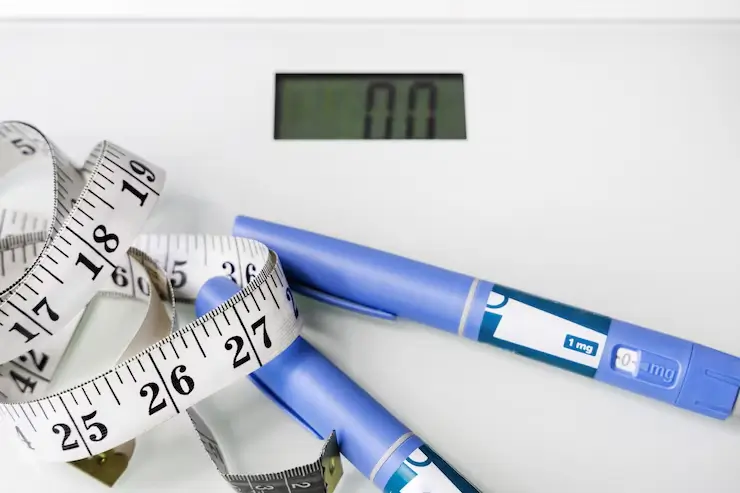
Semaglutide has become one of the most talked-about medications in modern medicine, marketed under brand names such as Ozempic and Wegovy. But as demand has surged, a second version has flooded the market: compounded semaglutide, often sold through telehealth platforms at a fraction of the brand-name price. If you’re considering this treatment, understanding compounded semaglutide vs Ozempic isn’t just a matter of cost — it’s a matter of safety.
What Is Semaglutide, and How Does It Work?
Semaglutide is a GLP-1 receptor agonist, meaning it mimics a natural hormone in your body called glucagon-like peptide-1. This hormone plays a key role in regulating blood sugar and appetite. When semaglutide activates GLP-1 receptors, it slows down how quickly your stomach empties, increases feelings of fullness, and reduces appetite signals from the brain. It also helps the body release insulin more effectively while reducing the amount of glucagon (a hormone that raises blood sugar) released.
This mix of effects is one of the reasons semaglutide is used to manage type 2 diabetes and to assist with weight loss. It is typically given as an injection once a week under the skin. The doses are gradually increased over several weeks to allow the body to adapt and minimize adverse effects.
FDA-Approved Semaglutide: Ozempic, Wegovy, and Rybelsus
FDA approved semaglutide comes in a few specific forms:
- Ozempic — approved primarily for type 2 diabetes management, and also used to reduce cardiovascular risk.
- Wegovy — approved specifically for chronic weight management in adults with obesity or who are overweight with a related health condition.
- Rybelsus — an oral tablet version, taken daily rather than injected.
They go through the FDA’s strict approval process, which requires companies to demonstrate safety, effectiveness, and consistent manufacturing quality by conducting controlled clinical studies. Each batch is made under strict quality control and the exact dosage in every vial or pen is confirmed and standardized.
Compounded Semaglutide: What It Actually Is
Compounded semaglutide is not FDA-approved. It’s produced by compounding pharmacies, which are permitted under certain circumstances to create custom versions of medications — often during official drug shortages, or to accommodate a specific patient need that a commercial product doesn’t meet. During the height of Ozempic and Wegovy shortages, compounding pharmacies stepped in to fill the gap, and many telehealth companies built entire business models around offering compounded semaglutide at lower prices.
The issue lies in the fact that compounded semaglutide doesn’t undergo the same FDA testing process as the FDA. This means that:
- Dosing accuracy isn’t guaranteed. Studies and regulatory warnings have found inconsistencies in the actual concentration of active ingredients in some compounded products, sometimes significantly higher or lower than labeled.
- The ingredient’s source could vary. The FDA has explicitly warned that some compounders have used semaglutide salts, specifically semaglutide sodium and semaglutide acetate. These aren’t the same active ingredient found in FDA-approved drugs and aren’t proven safe or effective.
- Quality control varies by pharmacy. Compounding pharmacies vary widely in their standards, equipment and oversight, so the reliability of one compounded product doesn’t guarantee the same reliability from another.
None of this means every compounded product is inherently dangerous — many compounding pharmacies operate carefully and legally. But it does mean the consistency and safety net that comes with FDA approval simply isn’t there in the same way.
How Much Weight Can I Lose With Semaglutide Injections?
Clinical trial data for FDA-approved semaglutide (Wegovy) shows an average weight loss of around 15% of body weight over 68 weeks, when combined with a reduced-calorie diet and increased physical activity. Individual semaglutide weight loss results can vary based on starting weight, dosage, adherence, and lifestyle factors alongside the medication.
It is important to set realistic expectations. Semaglutide is a tool to aid in weight loss but is not an alternative to adjustments in diet and exercise. The longest-lasting, consistent outcomes are achieved by using the medication in conjunction with doctor-directed lifestyle changes, instead of relying solely on the injection.
What Should You Avoid While Taking Semaglutide?
Some simple guidelines can minimize adverse effects and increase security when taking semaglutide:
- Avoid greasy, high-fat or large meals, particularly in the beginning of treatment, because they can aggravate nausea and stomach pain.
- Avoid alcohol in excess, as it can increase the risk of low blood sugar (especially if you’re also managing diabetes) and can worsen gastrointestinal side effects.
- Avoid skipping doses or adjusting your own dosage schedule. Semaglutide is typically increased gradually under medical supervision — jumping ahead to speed up weight loss significantly increases the risk of severe nausea, vomiting, and dropout from treatment.
- Avoid combining with other appetite suppressants or weight-loss supplements without discussing it with your physician, since interactions aren’t always well understood.
- Avoid unsupervised or unverified compounded sources, particularly ones that don’t require a proper medical consultation or lab work before prescribing.
- Avoid stopping other prescribed medications (such as insulin or oral diabetes medications) without your doctor’s guidance, since semaglutide changes how your body manages blood sugar.
What Are the Worst Side Effects of Semaglutide?
Most people experience mild, temporary gastrointestinal semaglutide side effects, particularly during the first few weeks or after a dose increase:
- Nausea, vomiting and diarrhea
- Constipation
- Bloating and stomach discomfort
- Injection site reactions (redness, itching, or mild swelling)
These typically improve as the body adjusts. However, there are more serious risks that require immediate medical attention:
- Pancreatitis — symptoms include severe abdominal pain that may radiate to the back, often with nausea and vomiting.
- Gallbladder problems, including gallstones, which can cause pain in the upper right abdomen.
- Signs of thyroid tumors — a lump in the neck, difficulty swallowing, hoarseness, or shortness of breath. Semaglutide carries a boxed warning related to thyroid C-cell tumors observed in animal studies, and it’s not recommended for anyone with a personal or family history of medullary thyroid carcinoma or certain endocrine tumor syndromes.
- Severe allergic reactions, though rare.
- Kidney problems, particularly in people who become severely dehydrated from ongoing vomiting or diarrhea.
Anyone experiencing severe abdominal pain, signs of an allergic reaction or symptoms suggesting a thyroid issue should stop the medication and contact a doctor immediately rather than waiting it out.
Is Semaglutide Injection Safe for Weight Loss?
For the majority of adults who have been properly screened, semaglutide, which is FDA-approved, has a solid safety profile, supported by extensive clinical trials and years of post-market surveillance. It is generally considered safe when:
- Prescribed after a proper medical evaluation, including relevant health history and screening for contraindications.
- Used at the correct, gradually increasing dose under physician supervision.
- Monitored over time, with follow-up to track side effects, progress and any needed dose adjustments.
- Combined with nutritional guidance rather than used as a standalone quick fix.
The safety picture becomes murkier with compounded versions obtained without proper medical oversight, particularly from telehealth platforms that prescribe based on a brief questionnaire rather than a full evaluation. The combination of unverified dosing accuracy and minimal physician involvement is where most of the reported safety concerns around semaglutide actually originate — not from the medication itself, but from how and where it’s being obtained and monitored.
The Bottom Line
Semaglutide, when it’s the genuine, FDA-approved medication and used under proper medical supervision, is a well-studied and effective option for weight loss and metabolic health. Compounded versions may be an affordable alternative, however they carry actual, well-documented risk issues around consistency in dosing and verification of ingredients that should not be ignored. The most secure option regardless of the variant you’re looking at is to undergo a complete medical examination with a physician-guided dose and continuous surveillance rather than an unsupervised, self-directed method.
Frequently Asked Questions –
Q. Can I switch from compounded semaglutide to the FDA-approved version?
A. Yes, and many patients do. It’s worth discussing with your physician, since dosing may need to be adjusted based on what you were previously taking.
Q. How long does it take to see results from semaglutide?
A. Most people begin to notice changes in appetite within the first few weeks. However, meaningful weight loss typically builds gradually over several months as the dose is increased.
Q. Do I need to stay on semaglutide indefinitely?
A. Weight regain is common after stopping GLP-1 medications without a maintenance plan, so this is an important conversation to have with your doctor before starting treatment.
Q. Is semaglutide the same as Ozempic?
A. Semaglutide is the active ingredient; Ozempic, Wegovy, and Rybelsus are all FDA-approved brand-name products containing semaglutide, each approved for slightly different uses and dosing.
This article is intended for general informational purposes and is not a substitute for personalized medical advice. If you’re considering semaglutide treatment, consult a qualified physician at Patients Medical for a full evaluation.

Rashmi Gulati
Rashmi Gulati, MD, provides innovative, individualized health care that nurtures mind, body, and spirit. Since 2004 she has been the medical director at Patients Medical, where she delivers comprehensive personalized health care, treating each patient as a respected, unique individual. Through their integrative health care center in the heart of Manhattan, Dr. Gulati and her colleagues have become premier care providers serving patients locally and throughout the world. Read more about the author →
- Rashmi Gulati

- Rashmi Gulati

- Rashmi Gulati

- Rashmi Gulati