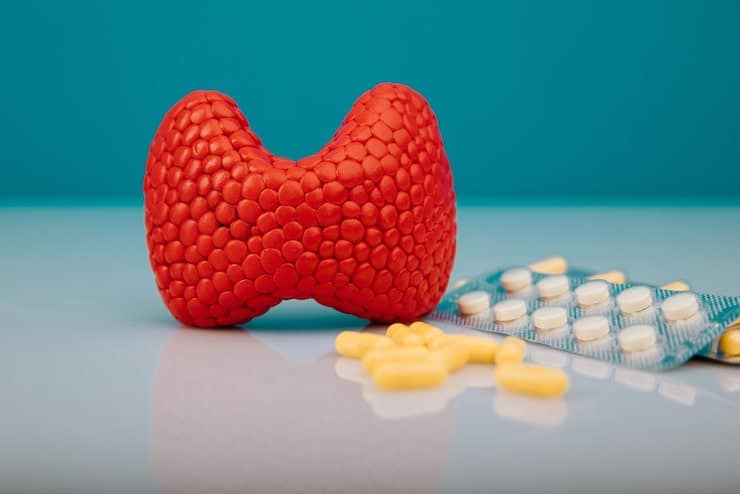
Major Pharmaceuticals announced a nationwide Class II recall of certain levothyroxine sodium tablets in July 2026 after routine stability testing showed that some tablets were subpotent, meaning they contained less active medication than the amount listed on the label.
Although levothyroxine recalls have occurred before, the recall of 2026 stands out due to the variety of products affected and the variety of dose strengths affected. For those who depend on levothyroxine for managing hypothyroidism, knowing what happened and how it compares to prior recalls, and what steps to take are crucial.
What Happened in the 2026 Levothyroxine Recall?
Major Pharmaceuticals, headquartered in Dublin, Ohio, voluntarily recalled the affected lots on July 13, 2026. The U.S. Food and Drug Administration (FDA) later classified the recall as Class II on July 17, 2026.
A Class II recall means that using the affected medication may cause temporary or medically reversible health problems. However, the risk of serious health consequences is considered low.
Key Recall Information
- Manufacturer: Major Pharmaceuticals
- Additional distributor: Some products were distributed through Cardinal Health
- Reason for recall: Subpotency (the tablets contained less levothyroxine sodium than required)
- Affected strengths: 25 mcg, 50 mcg, 75 mcg, 88 mcg, 112 mcg, 125 mcg and 150 mcg
- Packaging: Unit-dose blister cartons
- Distribution: Nationwide
- Expiration dates: July 2026 through January 2027
The recall includes twelve product lines covering seven different dosage strengths, making it one of the larger levothyroxine recalls in recent years based on the number of strengths involved.
How Does the 2026 Recall Compare With Previous Levothyroxine Recalls?
Levothyroxine recalls are not new. Over the past few years, several manufacturers have issued recalls for different reasons.
In late 2024, Mylan Pharmaceuticals (a Viatris company) recalled certain levothyroxine sodium tablet lots as a precaution after unusual assay results were identified during testing.
Around the same period, Lupin Pharmaceuticals recalled one lot after stability testing showed an out-of-specification impurity result. However, the affected quantity was relatively small — approximately 480 bottles — and the product had previously met required quality standards.
In 2025, Macleods Pharmaceuticals issued a limited recall after a customer reported finding a hair strand inside a sealed tablet bottle. The issue was considered cosmetic and did not create a meaningful safety concern.
What Makes the 2026 Recall Different?
1. A Much Broader Recall Scope
The previous recalls were typically limited to individual lots or issues with distribution. The 2026 recall covers twelve different product lines in seven strengths of dosage and was distributed across the country.
2. The Same Quality Issue Across Multiple Strengths
Unlike isolated complaints or single-lot issues, the 2026 recall involves the same problem — subpotency — appearing across multiple strengths from the same manufacturer.
This suggests a wider manufacturing or stability concern rather than a one-time packaging or contamination issue.
3. A Potential Impact on Treatment Effectiveness
A subpotent tablet may deliver less thyroid hormone than expected. If someone takes an under-strength medication over a longer period, their hypothyroidism may not be adequately controlled.
This is different from previous recalls, such as the Macleods recall, where the issue did not affect how well the medication worked.
However, it is important to note that no serious adverse health events have been linked to the 2026 recall. Like many pharmaceutical recalls, this issue was identified through routine quality testing designed to protect patients.
Which Levothyroxine Products Are Being Recalled?
The recalled medication is:
Levothyroxine Sodium Tablets, USP
These tablets were manufactured and packaged by Major Pharmaceuticals and distributed across the United States, including through Cardinal Health in some cases.
The affected dosage strengths include:
- 25 mcg
- 50 mcg
- 75 mcg
- 88 mcg
- 112 mcg
- 125 mcg
- 150 mcg
The tablets were packaged in 10-count blister packs and sold individually or in cartons containing 100 tablets.
How Can You Check If Your Levothyroxine Is Part of the Recall?
Having one of the recalled dosage strengths does not automatically mean your medication is affected. Several companies manufacture levothyroxine, and only specific lots from Major Pharmaceuticals are included.
To check your medication:
1. Review Your Packaging
Look for:
- Manufacturer name
- Lot number
- Expiration date
Compare these details with the recall information listed in the FDA enforcement report.
2. Contact Your Pharmacy
Your pharmacist can confirm:
- Manufacturer information
- National Drug Code (NDC)
- Lot number
- Expiration date
3. Ask Your Doctor or Pharmacist
If you are unsure, bring your medication bottle or packaging to your healthcare provider or pharmacist. They can verify whether your prescription is affected.
What Happens If You Take Subpotent Levothyroxine?
Levothyroxine works by replacing thyroid hormone that your body does not produce in sufficient amounts. If you receive less medication than needed for an extended period, your thyroid hormone levels may become unbalanced.
Possible symptoms of under-treated hypothyroidism include:
- Ongoing fatigue
- Weight gain
- Feeling unusually cold
- Higher cholesterol levels
- Slower metabolism
- Reduced energy and concentration
In some cases, long-term uncontrolled hypothyroidism can place additional strain on the cardiovascular system.
This is why regular thyroid monitoring, including TSH testing, is important — especially after a medication recall, dosage adjustment, or switching manufacturers.
Patients should not stop taking levothyroxine or change their dosage without medical guidance. Suddenly stopping treatment can worsen hypothyroid symptoms, while increasing the dose without supervision may cause symptoms of excessive thyroid hormone.
What Medication Can Replace Levothyroxine?
If your medication is confirmed to be part of the recall, your doctor or pharmacist can usually recommend a replacement option.
Common alternatives may include:
- Levothyroxine from another manufacturer
- Synthroid
- Other FDA-approved generic levothyroxine products
Depending on a person’s medical history and response to treatment, doctors may also consider options such as:
- Liothyronine (T3 medication)
- Combination T3/T4 therapy
- Desiccated thyroid extract, such as NP Thyroid
- Compounded thyroid medications in specific situations
A healthcare professional should supervise any medication change. Thyroid blood tests are often repeated about 6–8 weeks after a medication change to confirm hormone levels remain stable.
Looking Beyond Medication: A Functional Approach to Thyroid Health
A medication recall can also serve as a reminder that managing thyroid health involves more than just taking a daily pill.
A functional medicine approach focuses on understanding the bigger picture, including:
- Nutrient levels
- Gut health
- Autoimmune factors such as Hashimoto’s thyroiditis
- Lifestyle factors
- Overall metabolic health
For some patients dealing with thyroid conditions, including hypothyroidism or hyperthyroidism, an integrative approach may help identify contributing factors alongside traditional medical treatment.
Final Thoughts
The recall of levothyroxine in 2026 differs from other recalls as it includes various dosage strengths and an impact that could affect the effectiveness of medication. However, it doesn’t mean that levothyroxine is in danger.
Most recalls of pharmaceuticals are identified by strict quality control systems that are designed to spot issues before they spread.
If you are taking levothyroxine and are worried about this recall, make sure you check your prescription details and talk to your physician or pharmacist prior to making any modifications.
Disclaimer: This article is for informational purposes only and should not be considered medical advice. Always consult a qualified healthcare professional before changing or stopping any medication.

J. Smith
- J. Smith
- J. Smith

- J. Smith

- J. Smith