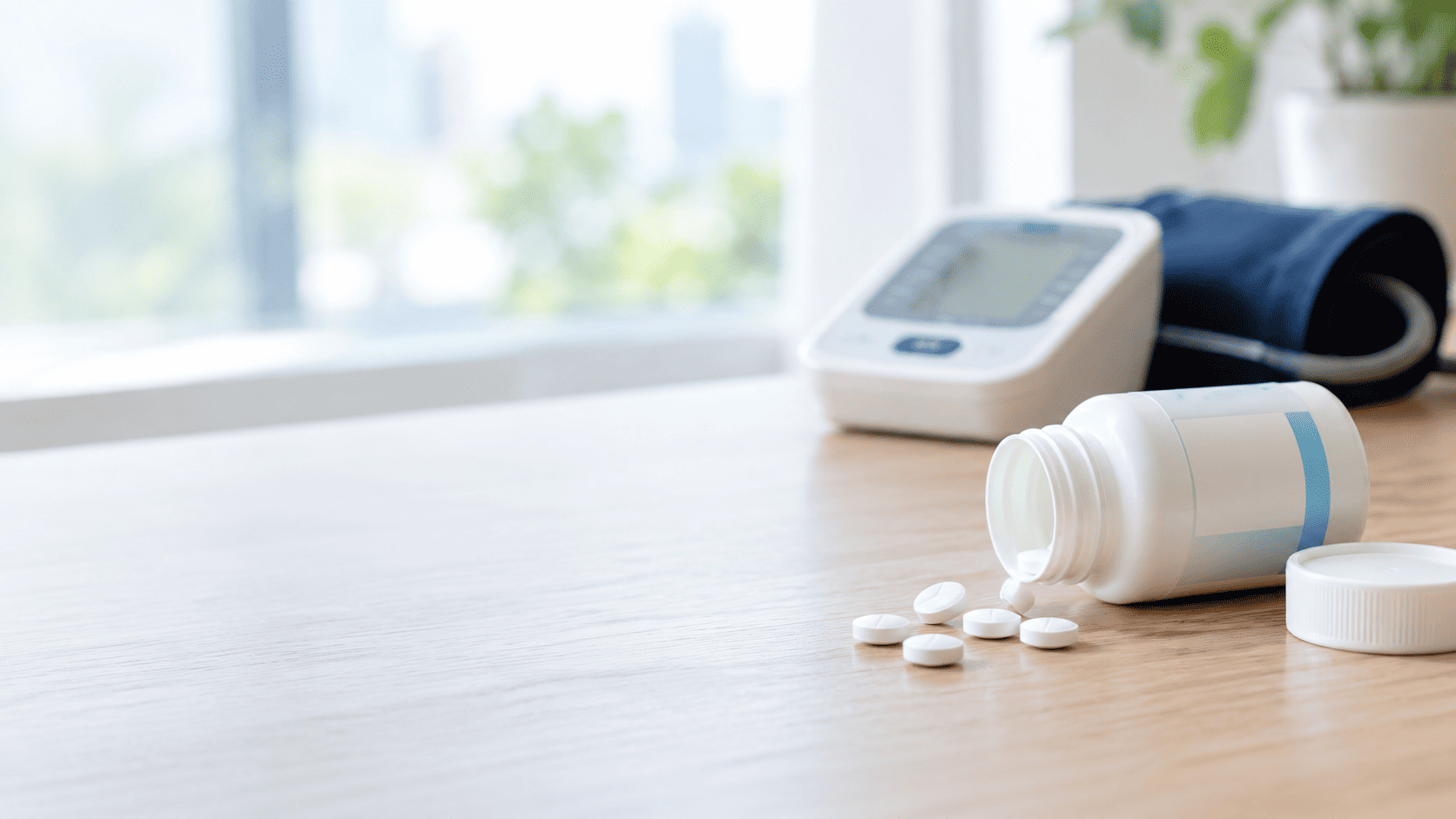
If you take chlorthalidone for blood pressure, you’ve probably seen the headlines by now. The FDA has classified a second recall of chlorthalidone tablets this year, and a lot of patients are understandably asking the same thing: is my bottle one of them?
Here’s the short answer. Most people taking chlorthalidone are not affected. The recall covers specific batches from one manufacturer. But it’s worth taking five minutes to check, and there’s one thing you really shouldn’t do: stop taking your medication on your own.
Let’s walk through what happened, how to check your pills, and what to do next.
What Happened With the Chlorthalidone Recall?
In September 2026, Inventia Healthcare Limited, an India-based drug manufacturer, voluntarily recalled a batch of its chlorthalidone 25 mg tablets. The recall started on September 3, and the FDA classified it as a Class II recall on September 17.
The reason? The tablets failed dissolution specifications. In plain English, lab testing showed they may not dissolve the way they’re supposed to.
This isn’t the first time this year. Back in June 2026, the same manufacturer recalled 11,460 bottles of chlorthalidone for the exact same problem. That one was also classified as Class II.
Which Chlorthalidone Tablets Are Recalled?
Here are the details for the September recall:
- Product: Chlorthalidone Tablets, USP, 25 mg
- Manufacturer: Inventia Healthcare Limited
- Distributor: Rising Pharma Holdings, Inc.
- NDC: 64980-599-01
- Lot/Batch number: RISA24002
- Expiration date: April 2027
- Bottle size: 100 tablets
- Quantity recalled: 13,567 bottles, distributed nationwide
The June 2026 recall involved 100-tablet and 1,000-tablet bottles from the same manufacturer. If you filled a prescription earlier this year, it’s worth asking your pharmacist about both recalls, not just the latest one.
What Does “Failed Dissolution Testing” Actually Mean?
This is the part most news stories skim over, so let’s slow down.
When you swallow a tablet, it has to break down and release the medicine so your body can absorb it. Drug makers test this in the lab using something called a dissolution test. They put the tablet in a liquid that mimics conditions in your gut and measure how much of the active ingredient dissolves, and how fast.
Every approved drug has a target range. If a batch falls outside that range, it “fails dissolution specifications.”
So what does that mean for you? The tablet might release less medicine than expected, or release it too slowly. For a blood pressure drug, that could mean your BP isn’t as well controlled as it should be.
Here’s the important nuance though. A failed dissolution test doesn’t automatically mean every tablet in that batch is useless, or that you’ve been harmed. It means the batch didn’t meet the quality standard, and the FDA doesn’t want it on the market.
How Serious Is a Class II Recall?
The FDA sorts recalls into three classes:
- Class I: There’s a reasonable chance the product could cause serious harm or death.
- Class II: The product may cause temporary or medically reversible health problems, and the chance of serious harm is remote.
- Class III: The product is unlikely to cause any health problems.
The chlorthalidone recall is Class II. That’s the middle ground. It’s not a “throw everything out right now” situation, but it’s not nothing either. Your blood pressure matters, and you want your medication working the way your doctor intended.
How to Check If Your Chlorthalidone Is Recalled
Checking takes about two minutes.
- Look at your bottle. Find the lot number (sometimes labeled “Lot” or “Batch”) and the expiration date. If it says RISA24002 with an April 2027 expiration, it’s part of the September recall.
- Check the manufacturer name. The recalled tablets are made by Inventia Healthcare. If your label lists a different manufacturer, you’re very likely fine.
- Can’t find the lot number? Call your pharmacy. This is really common. Most pharmacies pour pills from a large stock bottle into their own container, so the original lot number isn’t on your label. Your pharmacist can look up which stock bottle your prescription came from.
- Ask about the June recall too. Since there were two recalls this year, ask your pharmacist to check your fills against both.
What to Do If Your Medication Is Part of the Recall
First, the big one:
Don’t Stop Taking Chlorthalidone on Your Own
We get it. Hearing your medication was recalled makes you want to stop taking it immediately. But suddenly stopping a blood pressure medicine can cause your pressure to rise, and that carries its own risks.
The FDA’s own guidance is clear on this. Patients should contact their pharmacist or doctor for instructions and a replacement, and shouldn’t stop on their own.
Steps to Take Instead
- Call your pharmacist. Ask them to confirm whether your supply is affected and swap it for tablets from an unaffected batch. In most cases, this is a simple exchange.
- Keep taking your current tablets until you have a replacement, unless your doctor tells you otherwise.
- Check your blood pressure at home for the next week or two, if you have a monitor. Note any readings that are higher than your usual.
- Talk to your doctor if your readings have crept up, or if you’ve felt “off” recently. They may want to recheck your numbers.
When to Get Help Right Away
Call 911 or go to the ER if you have chest pain, severe headache, shortness of breath, sudden vision changes, confusion, or weakness on one side of your body. These can be signs of dangerously high blood pressure or a stroke, and they need emergency care whether or not a recall is involved.
Why This Recall Is a Good Time to Review Your BP Plan
Here’s something we see a lot at our practice. Many people have been on the same blood pressure medication for years without anyone really stepping back to look at the full picture.
A recall is a natural moment to ask a few questions:
- Is my blood pressure actually well controlled, or just “okay”?
- Am I having side effects I’ve gotten used to, like dizziness, fatigue, or frequent urination?
- Are my other medications or supplements interacting with this one?
- Have my electrolytes (like potassium and sodium) been checked recently? Diuretics like chlorthalidone can affect them.
If any of these feel familiar, a prescription drug optimization review can help. It’s not about taking you off your medication. It’s about making sure everything you take is working together, at the right dose, for you.
We also see patients dealing with medication side effects they assumed were just “part of getting older.” Sometimes they are. Sometimes a simple adjustment makes a real difference.
How Integrative Care Supports Blood Pressure Management
Medication is often essential for managing hypertension. But it usually works best as one part of a bigger plan.
At Patients Medical, our approach to hypertension treatment in NYC looks at the factors that push blood pressure up in the first place. That can include:
- Diet and sodium intake. Small changes add up, and nutritional and dietary guidance can make them easier to stick with.
- Stress. Chronic stress keeps your body in a tense state. Stress reduction therapy can be a useful addition.
- Metabolic health. High BP often shows up alongside blood sugar and weight issues, a pattern known as metabolic syndrome.
- Proper testing. Routine blood testing and cardiac testing help catch problems early.
None of this replaces your medication without your doctor’s guidance. But it can help your medication do its job, and in some cases, your doctor may be able to adjust your dose over time.
Uncontrolled blood pressure is one of the biggest risk factors for heart disease and stroke. So yes, it’s worth taking seriously, recall or no recall.
The Bottom Line
The 2026 chlorthalidone recall affects specific batches from one manufacturer, not all chlorthalidone. Check your lot number, call your pharmacist if you’re unsure, and keep taking your medication until you have a replacement or your doctor says otherwise.
And if this has you wondering whether your blood pressure plan is really working for you, that’s a good question to ask. Schedule an appointment with our team, and we’ll take a full look at your medications, your numbers, and what’s driving them.
FAQs
Is all chlorthalidone being recalled?
No. The recall only covers specific batches of 25 mg chlorthalidone tablets made by Inventia Healthcare. Chlorthalidone from other manufacturers, and other batches, aren’t part of this recall.
What lot number is included in the September 2026 chlorthalidone recall?
Lot RISA24002, NDC 64980-599-01, with an expiration date of April 2027, in 100-tablet bottles.
Should I stop taking chlorthalidone because of the recall?
No. Stopping suddenly can raise your blood pressure. Contact your pharmacist or doctor for a replacement and keep taking your medication until then, unless your doctor advises otherwise.
What does “failed dissolution specifications” mean?
It means lab tests showed the tablets may not dissolve and release the medicine as expected. This could make the drug less effective at controlling blood pressure.
How do I know if my pharmacy gave me recalled pills?
Check the lot number on your bottle. If your pills came in the pharmacy’s own container without the original lot number, ask your pharmacist to check their stock records.
Can I get a refund or replacement?
Most pharmacies will replace recalled medication with tablets from an unaffected batch. Call your pharmacy directly to ask about their process.
Is a Class II recall dangerous?
A Class II recall means the product may cause temporary or reversible health problems, and serious harm is considered unlikely. It’s still important to act on it.
What are the side effects of chlorthalidone?
Common ones include frequent urination, dizziness, and changes in electrolytes like potassium and sodium. If you’re noticing side effects, talk to your doctor. A medication review can help.

J. Smith
- J. Smith
- J. Smith

- J. Smith

- J. Smith