AI Overview
Exosome IV Therapy is an advanced regenerative treatment that targets a wide range of conditions—from brain fog and chronic fatigue to joint pain and inflammation—by improving cellular communication and repair. Exosomes are microscopic vesicles that carry proteins, RNA, and growth factors, helping cells heal, regenerate, and function more efficiently.
When delivered through IV infusion, exosomes circulate throughout the body, reaching multiple systems at once. Research suggests they may reduce inflammation, support tissue repair, and enhance immune balance, making them relevant for various chronic and degenerative conditions. However, this therapy is still evolving, and while promising, outcomes vary and more clinical studies are needed.
Understanding Exosome IV Therapy
What Are Exosomes?
Exosomes are tiny extracellular vesicles naturally released by cells. They act as messengers, transferring biological information such as proteins and genetic material between cells to regulate healing and communication.
These vesicles are essential for:
- Cellular repair and regeneration
- Immune system modulation
- Inflammation control
- Tissue communication
Because of their ability to influence multiple biological processes, exosomes are widely studied in regenerative medicine.
How Exosome IV Therapy Works
Exosome IV Therapy delivers these cellular messengers directly into the bloodstream, allowing them to travel throughout the body and target areas of damage or dysfunction.
Once inside the body, exosomes:
- Reduce inflammation by regulating immune responses
- Promote tissue repair and regeneration
- Enhance communication between cells
- Deliver growth factors and signaling molecules
Studies show exosomes can improve healing and reduce inflammation in various conditions, particularly inflammatory and degenerative diseases.
Conditions Treated with Exosome IV Therapy
Brain Fog and Cognitive Dysfunction
Restoring Mental Clarity
Brain fog—characterized by poor concentration, memory issues, and mental fatigue—is often linked to inflammation and disrupted cellular communication in the brain.
Exosomes may help by:
- Reducing neuroinflammation
- Improving communication between neurons
- Supporting brain cell repair
By targeting the root cause at a cellular level, exosome therapy may improve cognitive clarity and mental performance.
Chronic Fatigue and Low Energy
Boosting Cellular Energy Production
Chronic fatigue is often associated with mitochondrial dysfunction and systemic inflammation. Exosomes support energy production by improving how cells communicate and function.
Potential benefits include:
- Increased cellular energy (ATP production)
- Reduced inflammation-related fatigue
- Improved stamina and vitality
Joint Pain and Musculoskeletal Conditions
Reducing Pain and Enhancing Mobility
Exosome therapy is increasingly used for joint pain, arthritis, and musculoskeletal injuries.
Research highlights its role in:
- Reducing inflammation in joints
- Promoting cartilage and tissue repair
- Supporting faster recovery from injuries
Conditions may include:
- Osteoarthritis
- Sports injuries
- Chronic back or neck pain
Chronic Inflammatory Disorders
Targeting the Root Cause of Disease
Chronic inflammation is a common underlying factor in many health conditions. Exosomes help regulate immune responses and reduce inflammatory signaling.
Studies suggest they may be beneficial in inflammatory diseases such as:
- Inflammatory bowel disease
- Lung and liver inflammation
- Cardiovascular inflammation
Autoimmune Conditions
Balancing the Immune System
Autoimmune diseases occur when the immune system mistakenly attacks healthy tissues. Exosomes can help modulate immune activity, potentially reducing overactive immune responses.
This may support conditions such as:
- Rheumatoid arthritis
- Lupus
- Other immune-related disorders
Skin Aging and Dermatological Conditions
Promoting Skin Rejuvenation
Exosomes play a key role in skin repair and regeneration. They stimulate collagen production and improve skin health at a cellular level.
Benefits may include:
- Reduced wrinkles and fine lines
- Improved skin elasticity
- Faster healing of damaged skin
Exosome therapy is widely explored in dermatology for anti-aging and skin rejuvenation.
Hair Loss and Scalp Health
Stimulating Hair Follicles
Exosomes may support hair growth by delivering growth factors to hair follicles and improving scalp health.
Potential effects include:
- Increased hair density
- Improved follicle function
- Reduced inflammation in the scalp
Post-Viral Recovery and Immune Support
Helping the Body Recover
After infections, many individuals experience lingering symptoms such as fatigue and inflammation. Exosomes may help by:
- Supporting immune recovery
- Reducing systemic inflammation
- Promoting tissue repair
This makes them a potential supportive therapy for post-viral conditions.
Neurological and Degenerative Conditions
Supporting Brain and Nerve Health
Exosomes are being studied for their role in neurological conditions due to their ability to cross biological barriers and deliver signals to brain cells.
Research suggests potential applications in:
- Neurodegenerative diseases
- Nerve damage and repair
- Cognitive decline
While promising, these applications are still under investigation.
How Exosomes Work Across Multiple Conditions
A Systemic Approach to Healing
One of the most unique aspects of Exosome IV Therapy is its ability to work across multiple systems simultaneously.
Exosomes:
- Travel through the bloodstream
- Target inflamed or damaged tissues
- Deliver therapeutic signals directly to cells
This systemic approach allows the therapy to address complex, multi-system conditions.
What to Expect During Treatment
Consultation
A healthcare provider evaluates your symptoms, medical history, and goals to determine if exosome therapy is appropriate.
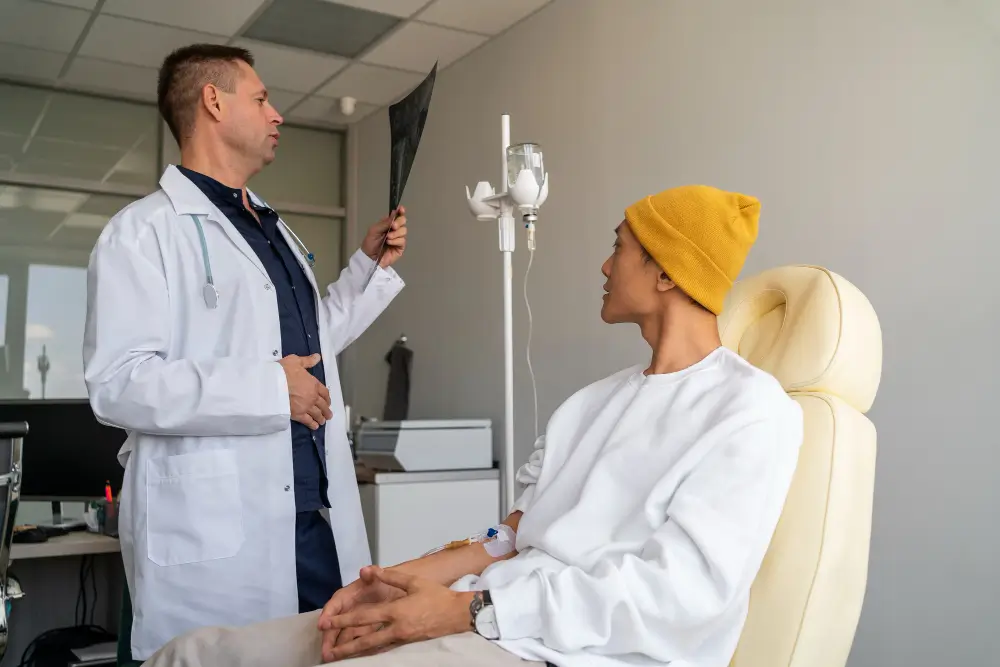
IV Infusion Process
- Duration: 30–60 minutes
- Minimally invasive
- Comfortable clinical setting
Recovery and Results
- No downtime required
- Some improvements within days
- Continued benefits over weeks
Safety and Considerations
Is Exosome IV Therapy Safe?
Exosome therapy is generally considered safe when administered by qualified professionals. It is a cell-free treatment, reducing risks associated with live-cell therapies.
Limitations
- Not fully FDA-approved for many uses
- Limited large-scale clinical trials
- Variability in product quality
Patients should always consult experienced medical providers before starting treatment.
Why This Therapy Is Gaining Popularity
Exosome IV Therapy is gaining attention because it addresses the root cause of disease at the cellular level, rather than just treating symptoms.
Its ability to:
- Reduce inflammation
- Promote regeneration
- Improve overall cellular function
makes it a promising option for a wide range of health concerns.
Conclusion
From brain fog and fatigue to joint pain and inflammation, Exosome IV Therapy offers a powerful, science-driven approach to healing multiple conditions. By improving cellular communication and supporting the body’s natural repair systems, it provides a comprehensive path to recovery and wellness.
While still an evolving field, growing research suggests that exosome therapy may play a significant role in the future of regenerative and functional medicine.
FAQs
Q. What conditions can Exosome IV Therapy treat?
Ans. It may support conditions like brain fog, fatigue, joint pain, inflammation, and skin aging.
Q. How does it help with joint pain?
Ans. It reduces inflammation and promotes tissue repair in joints, improving mobility and reducing discomfort.
Q. Can it improve brain fog?
Ans. Yes, by reducing neuroinflammation and enhancing cellular communication in the brain.
Q. Is it effective for chronic fatigue?
Ans. It may help by improving cellular energy production and reducing inflammation.
Q. Is this therapy safe?
Ans. It is generally safe under medical supervision, but research is still ongoing.

Dr. Kulsoom Baloch
Dr. Kulsoom Baloch is a dedicated donor coordinator at Egg Donors, leveraging her extensive background in medicine and public health. She holds an MBBS from Ziauddin University, Pakistan, and an MPH from Hofstra University, New York. With three years of clinical experience at prominent hospitals in Karachi, Pakistan, Dr. Baloch has honed her skills in patient care and medical research.
- Dr. Kulsoom Baloch

- Dr. Kulsoom Baloch

- Dr. Kulsoom Baloch

- Dr. Kulsoom Baloch