AI Overview
Testosterone is one of the most important hormones in the male body, influencing muscle growth, energy levels, libido, mood, metabolism, bone density, and overall vitality. As men age, testosterone levels naturally decline, but poor nutrition, chronic stress, obesity, inflammation, and certain medical conditions can accelerate this process and contribute to testosterone deficiency.
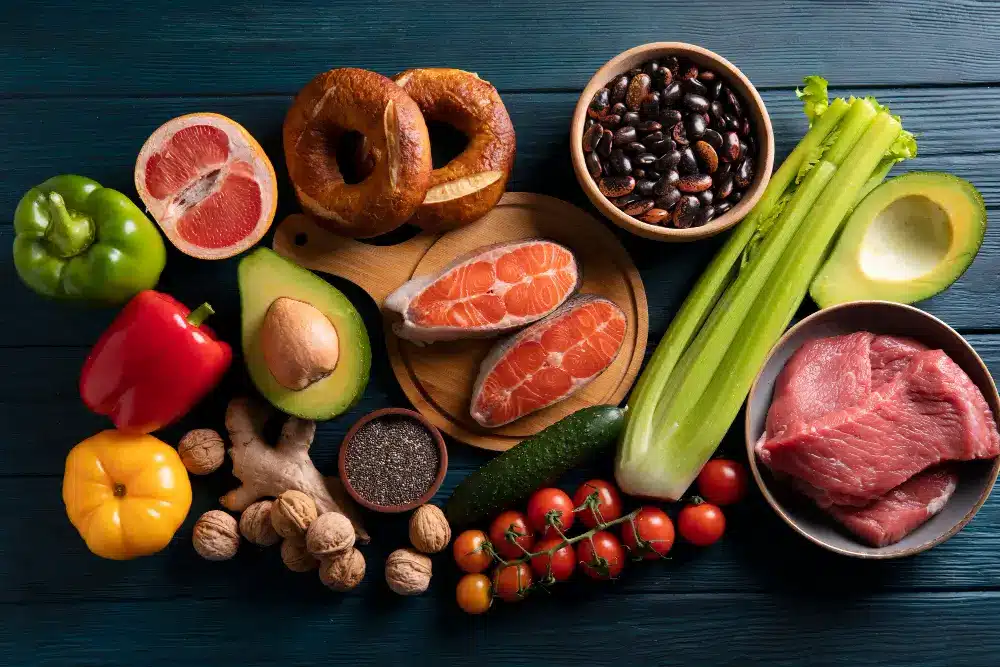
Fortunately, nutrition plays a significant role in supporting healthy hormone production. Certain foods contain essential vitamins, minerals, antioxidants, and healthy fats that help the body naturally produce testosterone while supporting overall hormonal balance. Incorporating testosterone-boosting foods into a healthy lifestyle may help improve energy, physical performance, mental clarity, sexual health, and long-term wellness.
For men experiencing symptoms of low testosterone, combining nutritional strategies with functional medicine and integrative healthcare approaches may provide comprehensive support. At Patients Medical, personalized hormone evaluations help identify the root causes of testosterone deficiency and create individualized treatment plans that support optimal hormone health.
Why Testosterone Matters for Men’s Health
Testosterone is often called the primary male hormone because it regulates many critical functions throughout the body.
Healthy testosterone levels support:
- Muscle growth and strength
- Healthy libido and sexual function
- Energy production
- Mental focus and concentration
- Bone density
- Fat metabolism
- Mood stability
- Cardiovascular health
When testosterone levels decline, men may experience symptoms that negatively affect their quality of life and overall health.
Common Symptoms of Testosterone Deficiency
Low testosterone can produce a wide range of symptoms, including:
- Chronic fatigue
- Reduced muscle mass
- Increased body fat
- Low libido
- Erectile dysfunction
- Depression or mood changes
- Difficulty concentrating
- Reduced motivation
- Poor exercise recovery
- Decreased bone density
Identifying and addressing testosterone deficiency early may help improve both physical and emotional well-being.
Best Foods That Naturally Increase Testosterone
Fatty Fish Rich in Omega-3 Fatty Acids
Fatty fish such as salmon, sardines, tuna, and mackerel provide healthy omega-3 fats that support hormone production and reduce inflammation.
Benefits include:
- Improved hormone synthesis
- Better cardiovascular health
- Reduced inflammation
- Enhanced metabolic function
Omega-3 fatty acids play a vital role in maintaining healthy testosterone levels.
Eggs for Hormone Production
Eggs are rich in protein, vitamin D, selenium, and healthy fats that support testosterone production.
Benefits include:
- Supporting muscle development
- Providing vitamin D
- Enhancing hormone balance
- Promoting satiety and weight management
Egg yolks contain many nutrients necessary for healthy hormone function.
Oysters and Zinc-Rich Seafood
Zinc is one of the most important minerals for testosterone production.
Foods rich in zinc include:
- Oysters
- Crab
- Lobster
- Shrimp
- Mussels
Adequate zinc intake supports reproductive health, sperm production, and hormone regulation.
Lean Beef and Grass-Fed Meats
Lean beef contains zinc, iron, protein, and B vitamins that help support testosterone production.
Potential benefits include:
- Increased muscle maintenance
- Improved energy levels
- Enhanced hormone synthesis
Moderate consumption as part of a balanced diet can support overall hormonal health.
Leafy Green Vegetables
Spinach, kale, Swiss chard, and collard greens contain magnesium, a mineral associated with healthy testosterone levels.
Benefits include:
- Improved muscle function
- Reduced inflammation
- Better metabolic health
- Enhanced hormone regulation
Leafy greens are also rich in antioxidants that support overall wellness.
Avocados
Avocados contain healthy monounsaturated fats and magnesium that support hormone production.
Benefits include:
- Improved cardiovascular health
- Better hormone balance
- Reduced inflammation
- Enhanced nutrient absorption
Healthy fats are essential building blocks for testosterone synthesis.
Nuts and Seeds
Nuts and seeds provide zinc, magnesium, selenium, and healthy fats.
Top choices include:
- Brazil nuts
- Almonds
- Walnuts
- Pumpkin seeds
- Sunflower seeds
These nutrients contribute to healthy testosterone production and overall metabolic function.
Pomegranates
Pomegranates contain powerful antioxidants that may support hormone balance and cardiovascular health.
Potential benefits include:
- Reduced oxidative stress
- Improved circulation
- Enhanced athletic performance
- Better hormonal function
Regular consumption may contribute to improved overall vitality.
Extra Virgin Olive Oil
Olive oil is a cornerstone of many healthy diets and contains beneficial compounds that support hormone production.
Benefits include:
- Reduced inflammation
- Improved heart health
- Enhanced testosterone production
- Better metabolic function
Replacing unhealthy fats with olive oil may support hormonal balance.
Cruciferous Vegetables
Vegetables such as broccoli, cauliflower, cabbage, and Brussels sprouts may help support healthy estrogen metabolism.
Benefits include:
- Improved hormone balance
- Reduced inflammation
- Better detoxification processes
- Enhanced overall health
Balancing estrogen levels may indirectly support testosterone optimization.
Nutrients That Support Testosterone Production
Several nutrients are especially important for healthy testosterone levels.
Vitamin D
Vitamin D plays a crucial role in hormone regulation and reproductive health.
Sources include:
- Fatty fish
- Egg yolks
- Fortified foods
- Sunlight exposure
Zinc
Zinc supports:
- Testosterone synthesis
- Immune health
- Fertility
- Cellular repair
Magnesium
Magnesium helps regulate numerous biochemical reactions involved in hormone production.
Selenium
Selenium supports reproductive function and protects cells from oxidative stress.
Foods That May Negatively Affect Testosterone
Some dietary habits may contribute to lower testosterone levels.
Examples include:
- Excessive sugar consumption
- Highly processed foods
- Excessive alcohol intake
- Trans fats
- Frequent consumption of ultra-processed snacks
Reducing these foods may help support healthier hormone levels.
Lifestyle Habits That Complement Testosterone-Boosting Foods
Nutrition works best when combined with healthy lifestyle habits.
Important strategies include:
Regular Strength Training
Resistance exercise is one of the most effective natural ways to support testosterone production.
Quality Sleep
Poor sleep can significantly reduce testosterone levels.
Aim for:
- 7 to 9 hours nightly
- Consistent sleep schedules
- Reduced nighttime screen exposure
Stress Management
Chronic stress elevates cortisol, which may interfere with testosterone production.
Helpful techniques include:
- Meditation
- Deep breathing
- Yoga
- Physical activity
Weight Management
Excess body fat is associated with lower testosterone levels.
Maintaining a healthy weight supports hormonal balance and overall wellness.
The Role of Functional Medicine in Testosterone Deficiency
Functional medicine focuses on identifying the underlying causes of low testosterone rather than simply treating symptoms.
Areas commonly evaluated include:
- Nutritional deficiencies
- Chronic inflammation
- Insulin resistance
- Thyroid dysfunction
- Adrenal health
- Sleep disorders
- Metabolic imbalances
By addressing these root causes, patients may achieve more sustainable improvements in hormone health.
Advanced Testing for Low Testosterone
Personalized hormone evaluations may include:
- Comprehensive testosterone panels
- Free testosterone testing
- Estrogen assessments
- Thyroid function testing
- Cortisol evaluations
- Metabolic testing
- Nutritional assessments
- Inflammation markers
These tests help create individualized treatment strategies tailored to each patient’s unique needs.
Benefits of Supporting Testosterone Naturally
Improving testosterone levels through nutrition and lifestyle modifications may help support:
- Increased energy
- Improved muscle strength
- Better mood
- Enhanced libido
- Healthier metabolism
- Improved exercise performance
- Better mental clarity
- Long-term wellness
A comprehensive approach often produces the best outcomes for men experiencing testosterone deficiency.
FAQs
Q. What foods increase testosterone naturally?
A. Foods such as fatty fish, eggs, oysters, leafy greens, avocados, nuts, seeds, olive oil, and pomegranates contain nutrients that help support healthy testosterone production.
Q. Can diet alone increase testosterone levels?
A. Diet can play an important role, but the best results usually come from combining proper nutrition with exercise, stress management, quality sleep, and medical evaluation when necessary.
Q. Which nutrient is most important for testosterone production?
A. Zinc, vitamin D, magnesium, selenium, and healthy fats are among the most important nutrients involved in testosterone synthesis.
Q. What are common signs of low testosterone?
A. Common symptoms include fatigue, low libido, reduced muscle mass, increased body fat, mood changes, and decreased energy levels.
Q. Should I get tested if I suspect low testosterone?
A. Yes. Comprehensive hormone testing can help identify testosterone deficiency and determine the most appropriate treatment strategy.
Take the Next Step Toward Optimizing Your Testosterone Levels
If you’re experiencing fatigue, low libido, reduced muscle mass, weight gain, mood changes, or other symptoms of testosterone deficiency, personalized medical evaluation may help uncover the underlying cause. While testosterone-boosting foods can provide valuable nutritional support, many men benefit from a comprehensive assessment that evaluates hormone levels, metabolic health, nutritional status, inflammation, and lifestyle factors.
At Patients Medical, our experienced team specializes in Functional Medicine, Integrative Medicine, Testosterone Deficiency Treatment, Hormone Optimization, and Personalized Wellness Programs designed to address the root causes of hormonal imbalance. Through advanced diagnostic testing and individualized treatment plans, we help patients achieve improved energy, vitality, performance, and long-term health.
Don’t ignore the symptoms of low testosterone. Early intervention may help improve your quality of life and support healthier aging.
📞 Call Today: (212) 794-8800
📧 Email: info@patientsmedical.com
Schedule your consultation today and discover how a personalized approach to hormone health can help you feel your best.

Dr. Kulsoom Baloch
Dr. Kulsoom Baloch is a dedicated donor coordinator at Egg Donors, leveraging her extensive background in medicine and public health. She holds an MBBS from Ziauddin University, Pakistan, and an MPH from Hofstra University, New York. With three years of clinical experience at prominent hospitals in Karachi, Pakistan, Dr. Baloch has honed her skills in patient care and medical research.
- Dr. Kulsoom Baloch

- Dr. Kulsoom Baloch

- Dr. Kulsoom Baloch

- Dr. Kulsoom Baloch