AI Overview
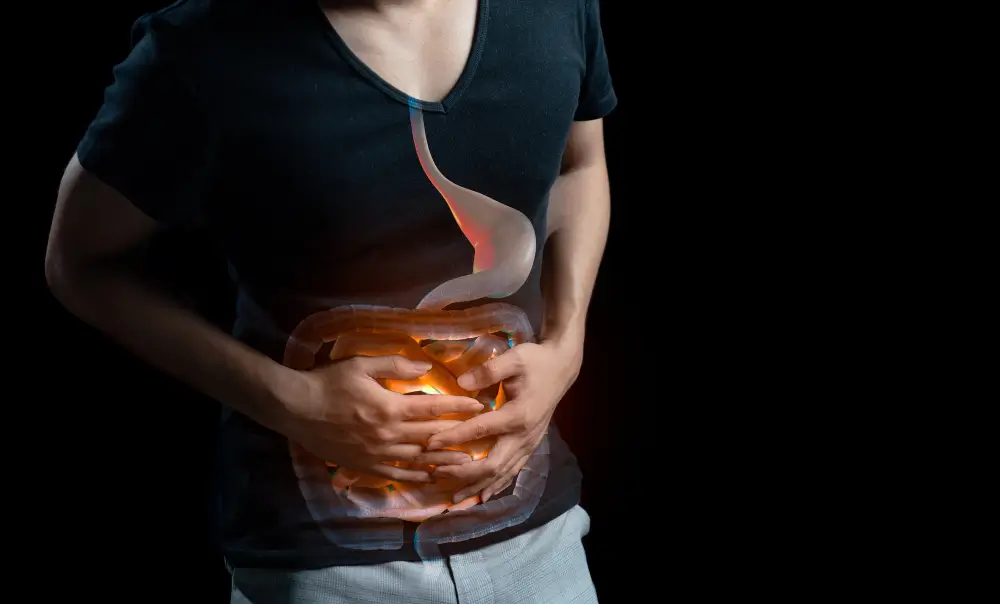
Digestive problems like IBS (Irritable Bowel Syndrome), bloating, and acid reflux are increasingly common—and often interconnected. While they may seem like separate conditions, they frequently share underlying causes such as gut microbiome imbalance, stress, poor diet, and digestive dysfunction.
IBS primarily affects the intestines, causing symptoms like abdominal pain, gas, diarrhea, or constipation. Bloating is often linked to gas buildup or poor digestion, while acid reflux occurs when stomach acid flows back into the esophagus. These conditions can overlap, making diagnosis and treatment complex.
Understanding the root causes—not just the symptoms—is key to long-term relief. With the right combination of natural therapies, dietary changes, and integrative care, it is possible to restore digestive balance and improve overall health.
IBS, Bloating, and Acid Reflux: What’s the Difference?
What is IBS (Irritable Bowel Syndrome)?
IBS is a chronic condition affecting the digestive tract, particularly the intestines. It commonly causes abdominal pain, cramping, bloating, and changes in bowel habits like diarrhea or constipation.
It is considered a functional disorder, meaning the digestive system looks normal but doesn’t function properly.
What Causes Bloating?
Bloating is typically caused by excess gas production or poor digestion. It may result from food intolerances, overeating, or an imbalance of gut bacteria. In many cases, bloating is also a symptom of IBS.
What is Acid Reflux (GERD)?
Acid reflux occurs when stomach acid flows backward into the esophagus due to a weakened valve (lower esophageal sphincter). This leads to heartburn, chest discomfort, and regurgitation.
Why These Digestive Issues Often Occur Together
The Gut-Brain Connection
Your gut and brain are closely linked. Stress, anxiety, and emotional health can directly affect digestion. Poor communication between the brain and gut can lead to IBS symptoms, discomfort, and irregular bowel movements.
Imbalance in Gut Bacteria (Dysbiosis)
Healthy digestion depends on a balanced gut microbiome. When harmful bacteria outnumber beneficial ones, it can cause gas, bloating, inflammation, and IBS symptoms.
Digestive Motility Issues
Abnormal muscle contractions in the digestive tract can slow down or speed up digestion. This leads to constipation, diarrhea, gas, and bloating.
Food Sensitivities and Intolerances
Certain foods—like dairy, gluten, beans, and carbonated drinks—can trigger symptoms such as bloating, reflux, and IBS flare-ups.
Common Root Causes of Digestive Problems
1. Poor Diet and Eating Habits
Highly processed foods, excess sugar, and low fiber intake disrupt digestion and gut health. Eating too fast or overeating can also lead to bloating and reflux.
2. Chronic Stress and Anxiety
Stress doesn’t just affect your mind—it disrupts gut function, increases sensitivity, and worsens symptoms like cramping and reflux.
3. Gut Infections and Inflammation
IBS can develop after infections like gastroenteritis or bacterial overgrowth in the intestines.
4. Weak Digestive Function
Low stomach acid or enzyme deficiencies can impair digestion, leading to gas, bloating, and nutrient malabsorption.
5. Overlapping Conditions (IBS + GERD)
Many patients experience both IBS and acid reflux due to shared dysfunction in digestive motility and muscle coordination.
Signs Your Digestive Issues May Have a Deeper Cause
Frequent Bloating After Meals
Indicates poor digestion or food intolerance.
Alternating Constipation and Diarrhea
A hallmark sign of IBS.
Chronic Heartburn or Acid Reflux
May signal GERD or underlying digestive imbalance.
Abdominal Pain or Cramping
Often linked to gut inflammation or IBS.
Fatigue and Brain Fog
Poor digestion can affect nutrient absorption and energy levels.
How to Address the Root Causes Naturally
1. Optimize Your Diet
Focus on whole, nutrient-dense foods and avoid known trigger foods. Consider elimination diets to identify sensitivities.
2. Restore Gut Microbiome Balance
Include probiotics and fermented foods like yogurt and kefir to improve gut health.
3. Manage Stress Effectively
Incorporate relaxation techniques such as yoga, meditation, and breathing exercises to support gut-brain balance.
4. Improve Digestive Function
Eat slowly, chew food thoroughly, and avoid overeating. This reduces gas and improves digestion.
5. Stay Hydrated and Active
Water and regular exercise support healthy digestion and bowel movements.
6. Use Natural Remedies
Herbs like ginger, peppermint, and chamomile can help reduce bloating and soothe the digestive system.
When to Seek Professional Help
While mild symptoms can often be managed naturally, consult a doctor if you experience:
- Persistent or severe abdominal pain
- Unexplained weight loss
- Blood in stool
- Chronic diarrhea or constipation
These may indicate a more serious condition requiring medical evaluation.
Integrative Treatment for Digestive Issues in NYC
At Patients Medical in NYC, digestive disorders like IBS, bloating, and acid reflux are treated using a comprehensive, root-cause approach. Instead of masking symptoms, the focus is on identifying underlying imbalances through advanced diagnostics and personalized care.
Treatment plans may include:
- Functional medicine testing
- Customized nutrition plans
- IV nutrient therapy
- Detoxification programs
- Stress management therapies
This holistic approach ensures long-term relief and improved digestive health.
Take Control of Your Digestive Health Today
Digestive issues are your body’s way of signaling imbalance. Ignoring them can lead to chronic discomfort and long-term health problems.
With the right care and guidance, you can restore balance, eliminate symptoms, and feel your best again.
Call now: (212) 794-8800
Email: info@patientsmedical.com
Book your consultation today and discover the root cause of your digestive issues.

Dr. Kulsoom Baloch
Dr. Kulsoom Baloch is a dedicated donor coordinator at Egg Donors, leveraging her extensive background in medicine and public health. She holds an MBBS from Ziauddin University, Pakistan, and an MPH from Hofstra University, New York. With three years of clinical experience at prominent hospitals in Karachi, Pakistan, Dr. Baloch has honed her skills in patient care and medical research.
- Dr. Kulsoom Baloch

- Dr. Kulsoom Baloch

- Dr. Kulsoom Baloch

- Dr. Kulsoom Baloch