AI Overview
Plaquex Therapy is a non-surgical IV treatment that supports cardiovascular health by improving cholesterol balance and repairing blood vessel function at the cellular level. Using phosphatidylcholine—a key building block of cell membranes—it helps regulate lipid metabolism, reduce harmful cholesterol levels, and enhance circulation. While research shows promising improvements in cholesterol markers and vascular health, Plaquex is best used as part of a comprehensive, medically supervised heart care plan.
Cardiovascular disease is closely linked to imbalances in cholesterol and lipid metabolism. Elevated LDL (“bad” cholesterol), low HDL (“good” cholesterol), and high triglycerides contribute to plaque buildup in arteries, increasing the risk of heart attack and stroke.
Plaquex Therapy offers a unique, integrative approach by targeting these imbalances at their source—within the body’s cells and lipid transport systems.
What Is Plaquex Therapy?
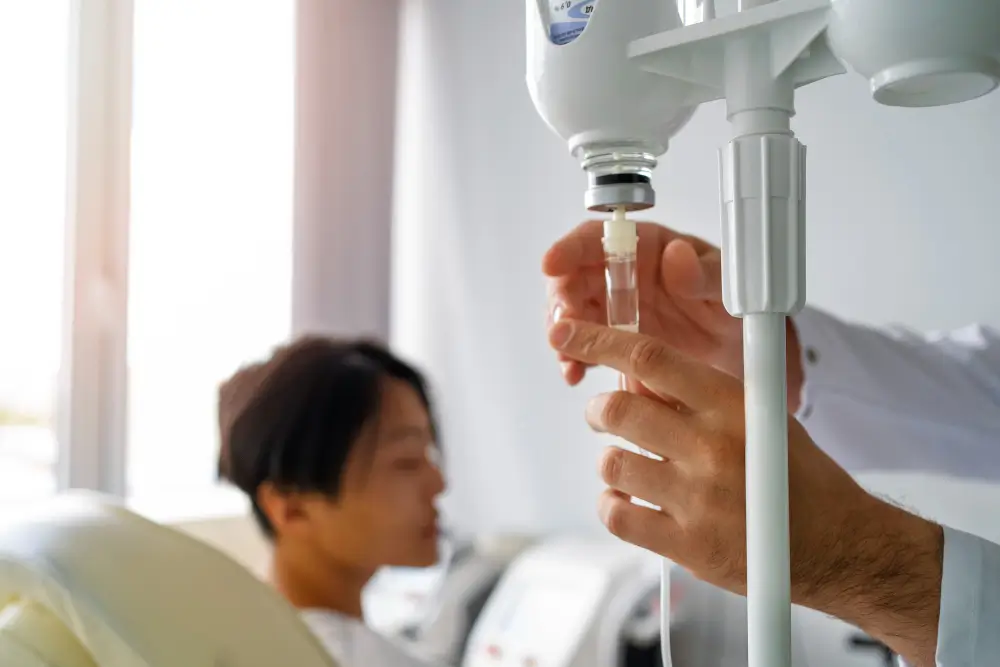
Plaquex Therapy is an intravenous (IV) infusion of phosphatidylcholine (PC), a naturally occurring phospholipid found in all cell membranes.
- Delivered directly into the bloodstream for enhanced absorption
- Derived from essential phospholipids, often sourced from soy lecithin
- Used in integrative medicine for cardiovascular, metabolic, and cellular support
Phosphatidylcholine is essential for maintaining cell membrane integrity and plays a key role in lipid transport and metabolism.
Understanding Cholesterol and Its Role in Heart Health
Cholesterol is not inherently harmful—it is vital for hormone production, cell structure, and metabolic function. However, imbalance is the issue.
Types of Cholesterol
- LDL (Low-Density Lipoprotein): Can deposit cholesterol in artery walls
- HDL (High-Density Lipoprotein): Helps remove excess cholesterol
- Triglycerides: A form of fat that contributes to plaque formation
When LDL and triglycerides are elevated, they accumulate in blood vessels, leading to atherosclerosis—a key driver of cardiovascular disease.
How Plaquex Therapy Improves Cholesterol Balance
Enhances Cholesterol Transport and Removal
Phosphatidylcholine plays a central role in lipoprotein structure, helping HDL transport cholesterol away from arteries and toward the liver for elimination.
Reduces LDL and Triglyceride Levels
Clinical studies suggest that IV phosphatidylcholine can significantly lower LDL cholesterol and triglycerides while improving lipid profiles.
Increases HDL (“Good” Cholesterol)
Research indicates that phosphatidylcholine therapy may increase HDL levels, supporting better cholesterol balance and cardiovascular protection.
Supports Lipid Metabolism
Phosphatidylcholine helps regulate fat metabolism by reducing fatty acid synthesis and enhancing cholesterol breakdown into bile for excretion.
How Plaquex Therapy Supports Cardiovascular Health
Helps Reduce Arterial Plaque
By improving cholesterol transport and fat metabolism, Plaquex may help reduce plaque buildup in arteries over time.
Improves Blood Vessel Function
Healthy cell membranes are essential for flexible, responsive blood vessels. Plaquex helps restore membrane integrity, improving vascular elasticity and function.
Enhances Endothelial Health
The endothelium (inner lining of blood vessels) regulates blood flow. Plaquex supports endothelial function, improving circulation and oxygen delivery.
Reduces Inflammation and Oxidative Stress
Inflammation contributes to plaque formation and arterial damage. Plaquex has anti-inflammatory and antioxidant effects that support long-term heart health.
Improves Blood Flow and Circulation
Better lipid balance and healthier vessels result in improved circulation, allowing oxygen and nutrients to reach tissues more efficiently.
Key Benefits of Plaquex Therapy
Cholesterol Optimization
- Lowers LDL and triglycerides
- Increases HDL levels
- Supports balanced lipid metabolism
Cardiovascular Protection
- Helps reduce plaque buildup
- Improves arterial flexibility
- Supports heart function
Cellular Repair and Regeneration
- Restores damaged cell membranes
- Enhances nutrient exchange and detoxification
Improved Energy and Vitality
- Better circulation enhances oxygen delivery
- Supports overall metabolic health
Multi-Organ Support
- Benefits liver, brain, and kidney function
- Supports anti-aging and longevity
Who Can Benefit from Plaquex Therapy?
Plaquex Therapy may be suitable for individuals who:
- Have high cholesterol or triglycerides
- Are diagnosed with atherosclerosis
- Experience poor circulation or fatigue
- Have a history of heart disease
- Want a non-surgical, integrative approach to heart health
It is also used as a preventive therapy for individuals at risk of cardiovascular disease.
What to Expect During Treatment
Treatment Process
- Administered via IV infusion in a medical setting
- Sessions typically last 60–90 minutes
- Conducted weekly or multiple times per week
Treatment Plan
- Programs usually include 10–30 sessions
- Results improve gradually over time
Combination Approach
Plaquex is often combined with:
- Nutritional therapy
- Antioxidant IV infusions
- Lifestyle and metabolic support
Is Plaquex Therapy Effective and Safe?
Plaquex Therapy has been used for decades and is generally considered safe when administered by trained professionals.
Possible mild side effects include:
- Temporary fatigue
- Warm sensation during infusion
- Mild discomfort at the IV site
However, it’s important to note:
- Evidence from large-scale clinical trials is still limited
- Results vary depending on individual health and treatment consistency
Plaquex should always be part of a personalized, medically supervised treatment plan.
Plaquex Therapy vs Traditional Cholesterol Treatments
Plaquex Therapy
- Targets root causes at the cellular level
- Supports natural cholesterol balance
- Non-invasive and integrative
- Focuses on long-term cardiovascular wellness
Traditional Treatments (Statins, Medications)
- Primarily lower cholesterol production
- Focus on symptom and risk management
- May have side effects such as muscle pain or liver impact
- Often required for moderate to severe conditions
Both approaches can complement each other when guided by a healthcare provider.
Lifestyle Tips to Improve Results
To maximize the benefits of Plaquex Therapy:
- Follow a heart-healthy diet rich in omega-3 fatty acids
- Exercise regularly
- Manage stress effectively
- Avoid smoking
- Maintain healthy sleep habits
Lifestyle changes are essential for long-term cardiovascular success.
Conclusion
Plaquex Therapy offers a promising, non-surgical approach to improving cholesterol balance and cardiovascular health by addressing lipid metabolism and cellular function. While it may not replace conventional treatments, it provides a valuable complementary option for individuals seeking a more holistic strategy.
With proper medical supervision and lifestyle support, Plaquex Therapy can play a significant role in promoting heart health, improving circulation, and enhancing overall well-being.
FAQs
Q. Can Plaquex Therapy lower cholesterol naturally?
Ans. Yes, it may help reduce LDL and triglycerides while increasing HDL levels through improved lipid metabolism.
Q. How long does it take to see cholesterol improvements?
Ans. Many patients see changes in lipid levels after 8–12 sessions, depending on individual health.
Q. Is Plaquex Therapy better than statins?
Ans. It works differently by targeting cellular health and may be used alongside statins under medical supervision.
Q. Can it prevent heart disease?
Ans. It may reduce risk factors, but prevention also depends on lifestyle and overall health management.
Q. Is Plaquex Therapy safe?
Ans. It is generally safe when administered by qualified professionals, with minimal side effects.
Get Started Today
Take control of your cholesterol and heart health with a personalized, integrative approach.
Call: (212) 794-8800
Email: info@patientsmedical.com
Book your consultation today and discover how Plaquex Therapy can support your cardiovascular wellness journey.

Dr. Kulsoom Baloch
Dr. Kulsoom Baloch is a dedicated donor coordinator at Egg Donors, leveraging her extensive background in medicine and public health. She holds an MBBS from Ziauddin University, Pakistan, and an MPH from Hofstra University, New York. With three years of clinical experience at prominent hospitals in Karachi, Pakistan, Dr. Baloch has honed her skills in patient care and medical research.
- Dr. Kulsoom Baloch

- Dr. Kulsoom Baloch

- Dr. Kulsoom Baloch

- Dr. Kulsoom Baloch