AI Overview
Egg freezing, also known as oocyte cryopreservation, is a modern fertility preservation technique that allows women to store their eggs for future use. It is increasingly popular among women who want to delay pregnancy due to career goals, medical conditions, or personal reasons. In NYC, advanced fertility clinics offer personalized egg freezing programs that include hormone stimulation, egg retrieval, and long-term storage. This safe and effective procedure empowers women to take control of their reproductive health and plan pregnancy on their own timeline.
Understanding Egg Freezing and Fertility Preservation
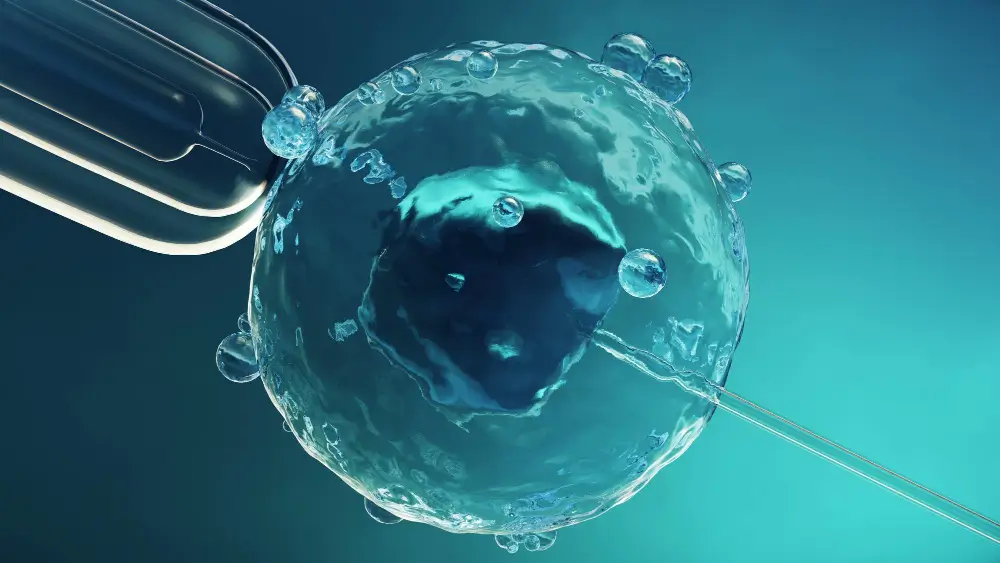
Egg freezing is a process in which a woman’s eggs are collected, frozen, and stored for future use. These eggs can later be thawed, fertilized, and implanted through assisted reproductive techniques.
Why Fertility Preservation Matters
Fertility naturally declines with age, especially after the mid-30s. Egg freezing helps preserve younger, healthier eggs, increasing the chances of successful pregnancy later in life.
Who Should Consider Egg Freezing?
Egg freezing is ideal for women who want to preserve their fertility for future family planning.
Common Reasons Include
- Delaying pregnancy for career or personal goals
- Not finding the right partner yet
- Medical treatments (like chemotherapy) that may affect fertility
- Family history of early menopause
This proactive approach allows women to maintain reproductive options.
How Egg Freezing Works: Step-by-Step Process
1. Initial Consultation and Testing
The process begins with a comprehensive evaluation, including hormone testing and ovarian reserve assessment.
2. Ovarian Stimulation
Hormonal medications are used to stimulate the ovaries to produce multiple eggs instead of the usual one per cycle.
3. Egg Retrieval
Eggs are collected through a minimally invasive procedure performed under sedation.
4. Freezing (Cryopreservation)
The retrieved eggs are rapidly frozen using advanced technology to preserve their quality.
5. Storage for Future Use
Frozen eggs are stored safely until the patient is ready to use them.
Benefits of Egg Freezing
1. Preserves Fertility
Egg freezing allows women to preserve their reproductive potential at a younger age.
2. Provides Flexibility
Women can choose when they are ready to start a family without feeling pressured by age.
3. Supports Medical Needs
It is a valuable option for women undergoing treatments that may impact fertility.
4. Improves Pregnancy Success Rates
Using younger eggs increases the chances of successful fertilization and pregnancy.
When Is the Best Time to Freeze Eggs?
Timing plays a crucial role in the success of egg freezing.
Ideal Age Range
- Late 20s to early 30s is optimal
- Fertility declines after age 35
However, egg freezing can still be beneficial at later ages depending on individual health.
Egg Freezing Success Rates
Success depends on several factors:
- Age at the time of freezing
- Number and quality of eggs retrieved
- Overall health
Younger eggs generally have higher success rates when used later.
Is Egg Freezing Safe?
Egg freezing is considered safe and is widely used in fertility treatments.
Safety Highlights
- Minimally invasive procedure
- Advanced freezing techniques
- Low risk of complications
Patients are closely monitored throughout the process to ensure safety.
Emotional and Lifestyle Considerations
Egg freezing is not just a medical decision—it also involves emotional and personal factors.
Things to Consider
- Financial investment
- Emotional readiness
- Future family planning goals
Consultation with fertility specialists can help guide the decision-making process.
Egg Freezing vs Other Fertility Options
Egg Freezing
- Preserves unfertilized eggs
- Ideal for single women
Embryo Freezing
- Eggs are fertilized before freezing
- Requires sperm donor or partner
Each option has its own benefits depending on individual circumstances.
Why Choose Egg Freezing in NYC at Patients Medical
Patients Medical offers comprehensive fertility preservation services with a personalized approach.
What Sets Them Apart
- Advanced fertility technologies
- Customized treatment plans
- Experienced medical professionals
- Holistic and integrative care
Their goal is to support women in making informed decisions about their reproductive health.
Preparing for the Egg Freezing Process
Preparation is key to a successful experience.
Tips for Preparation
- Maintain a healthy lifestyle
- Follow medical instructions carefully
- Stay informed about the process
- Plan for recovery time
Proper preparation improves outcomes and reduces stress.
Life After Egg Freezing
After the procedure, women can focus on their personal and professional goals while knowing their fertility options are preserved.
Future Use of Frozen Eggs
- Eggs can be thawed and fertilized when ready
- Used in IVF procedures
- Provide flexibility for family planning
Take Control of Your Fertility Today
Egg freezing is a powerful tool that allows women to plan their future with confidence and flexibility. Whether you’re focusing on your career, health, or personal goals, fertility preservation gives you more options.
📞 Call: (212) 794-8800
📧 Email: info@patientsmedical.com
Schedule your consultation today and take the first step toward securing your reproductive future.
FAQs
Q. What is egg freezing?
A. Egg freezing is a process where a woman’s eggs are collected, frozen, and stored for future use to preserve fertility.
Q. At what age should I consider egg freezing?
A. The best time is typically in your late 20s to early 30s, but it depends on individual health and goals.
Q. Is egg freezing painful?
A. The procedure is minimally invasive and performed under sedation, so discomfort is minimal.
Q. How long can eggs be stored?
A. Eggs can be stored for many years without significant loss of quality.
Q. Does egg freezing guarantee pregnancy?
A. While it improves chances, success depends on factors like age and egg quality.

Dr. Kulsoom Baloch
Dr. Kulsoom Baloch is a dedicated donor coordinator at Egg Donors, leveraging her extensive background in medicine and public health. She holds an MBBS from Ziauddin University, Pakistan, and an MPH from Hofstra University, New York. With three years of clinical experience at prominent hospitals in Karachi, Pakistan, Dr. Baloch has honed her skills in patient care and medical research.
- Dr. Kulsoom Baloch

- Dr. Kulsoom Baloch

- Dr. Kulsoom Baloch

- Dr. Kulsoom Baloch