AI Overview
Stem cell therapy and PRP (Platelet-Rich Plasma) therapy are two popular regenerative medicine treatments used to support healing, tissue repair, pain management, anti-aging, and overall wellness. While both therapies aim to stimulate the body’s natural healing processes, they work in different ways and are used for different medical and wellness goals.
PRP therapy uses concentrated platelets from a patient’s own blood to deliver growth factors that support tissue repair and reduce inflammation. Stem cell therapy uses specialized regenerative cells that may help repair damaged tissue and support cellular regeneration. In NYC, integrative and functional medicine clinics often combine regenerative medicine approaches with IV nutrient therapy, wellness programs, and personalized treatment plans to support recovery and long-term health optimization.
What Is Regenerative Medicine?
Regenerative medicine is a medical field focused on supporting the body’s natural healing and repair processes. Treatments are designed to help repair damaged tissues, reduce inflammation, and improve overall function.
Common regenerative therapies include:
- Stem cell therapy
- PRP therapy
- IV nutrient therapy
- Functional medicine treatments
These therapies are often used for:
- Joint pain
- Sports injuries
- Anti-aging support
- Tissue repair
- Wellness optimization
What Is PRP Therapy?
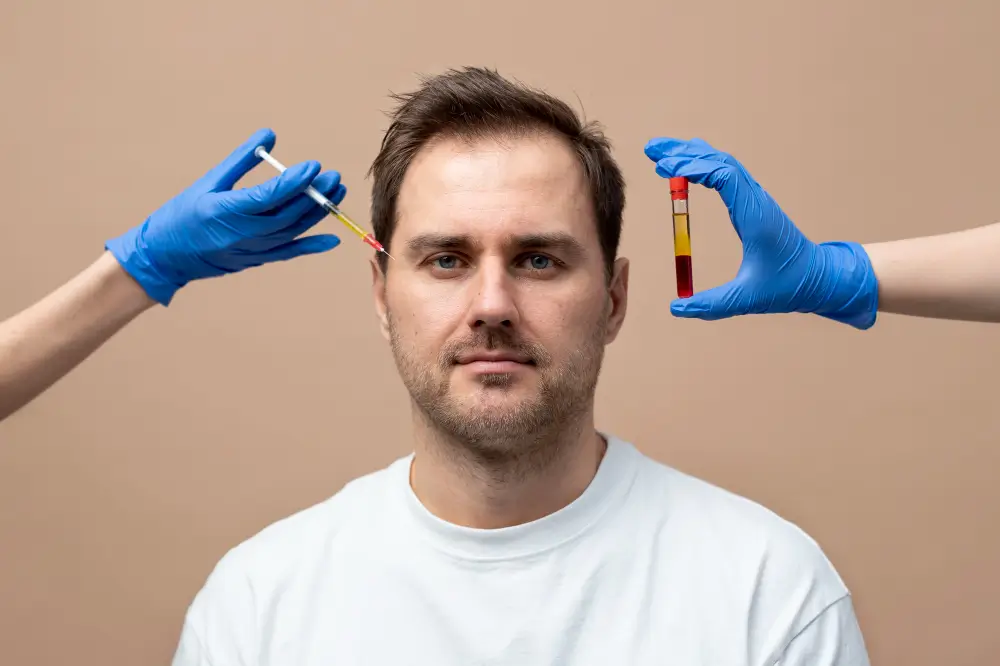
PRP stands for Platelet-Rich Plasma. PRP therapy uses a concentrated portion of the patient’s own blood that contains high levels of platelets and growth factors.
The process generally involves:
- Drawing a small blood sample
- Separating platelets using centrifugation
- Injecting or applying the PRP to targeted areas
Platelets contain growth factors that may help:
- Reduce inflammation
- Support tissue healing
- Stimulate collagen production
- Improve circulation
PRP is commonly used in orthopedics, aesthetics, hair restoration, and sports medicine.
What Is Stem Cell Therapy?
Stem cell therapy uses specialized cells that have the potential to develop into different types of tissue cells. These cells may help support tissue regeneration and healing.
Stem cells may be derived from:
- Bone marrow
- Adipose (fat) tissue
- Umbilical cord tissue sources
Stem cell therapy is often explored for:
- Joint injuries
- Degenerative conditions
- Tissue repair
- Anti-aging support
- Chronic inflammation
Regenerative medicine specialists use personalized treatment plans depending on patient needs and goals.
How PRP Therapy Works
PRP therapy delivers concentrated growth factors directly to injured or damaged tissue. These growth factors may stimulate:
- Tissue repair
- Blood vessel formation
- Collagen synthesis
- Reduced inflammation
Because PRP uses the patient’s own blood, the risk of allergic reactions is generally low.
How Stem Cell Therapy Works
Stem cells may support the repair and regeneration of damaged tissues by helping stimulate cellular renewal.
Stem cell therapy aims to:
- Support tissue regeneration
- Reduce inflammation
- Improve healing response
- Enhance recovery
Research in regenerative medicine continues to explore the potential uses and benefits of stem cell therapies in wellness and recovery applications.
Conditions Commonly Treated with PRP
PRP therapy is commonly used for:
- Tendon injuries
- Mild joint pain
- Hair loss treatments
- Skin rejuvenation
- Sports injuries
It is often chosen because it is minimally invasive and uses natural healing components from the patient’s own body.
Conditions Commonly Treated with Stem Cell Therapy
Stem cell therapy may be considered for:
- Degenerative joint conditions
- Chronic pain
- Tissue injuries
- Cartilage damage
- Anti-aging and wellness support
Treatment recommendations vary depending on the severity of the condition and patient health history.
PRP for Skin and Hair Rejuvenation
PRP therapy is widely used in aesthetic medicine because growth factors may help:
- Stimulate collagen production
- Improve skin texture
- Reduce fine lines
- Support hair growth
PRP facial rejuvenation and PRP hair restoration are popular non-surgical wellness treatments.
Stem Cell Therapy and Anti-Aging Medicine
Stem cell therapy is increasingly explored in anti-aging and wellness medicine because of its regenerative potential.
Potential wellness goals may include:
- Cellular repair support
- Improved recovery
- Reduced inflammation
- Healthy aging support
Functional medicine practitioners often combine regenerative therapies with nutrition, hormone balancing, and lifestyle optimization.
Recovery and Treatment Experience
Both PRP and stem cell therapies are generally minimally invasive and may involve little downtime.
Recovery experiences vary depending on:
- Treatment area
- Severity of condition
- Individual healing response
Some patients experience temporary soreness or swelling after treatment.
The Role of Functional Medicine in Regenerative Therapy
Functional medicine focuses on improving the body’s overall healing environment. Combining regenerative medicine with functional medicine may support better outcomes.
This may include:
- Nutritional optimization
- Hormone balancing
- Stress reduction
- IV nutrient therapy
- Anti-inflammatory lifestyle plans
Supporting total-body wellness may enhance healing and recovery potential.
Benefits of Regenerative Medicine Treatments
Potential benefits may include:
- Reduced inflammation
- Improved recovery support
- Enhanced tissue healing
- Non-surgical treatment options
- Improved mobility and function
- Support for healthy aging
Treatment effectiveness varies based on the individual condition and overall health status.
Are Stem Cell Therapy and PRP Safe?
When administered by qualified healthcare professionals, PRP and regenerative medicine therapies are generally considered safe.
Because PRP uses the patient’s own blood, allergic reactions are uncommon. Stem cell therapies should always be performed according to appropriate medical standards and regulations.
Patients should discuss all potential risks, benefits, and expectations with their healthcare provider before treatment.
Choosing Between PRP and Stem Cell Therapy
The best treatment depends on:
- Severity of the condition
- Treatment goals
- Overall health
- Type of tissue injury
- Physician recommendations
Some patients may benefit from PRP alone, while others may require more advanced regenerative therapies.
A personalized evaluation is important to determine the most appropriate treatment strategy.
FAQs
Q. What is the difference between PRP and stem cell therapy?
A. PRP therapy uses platelet-rich plasma from blood to support healing, while stem cell therapy uses regenerative cells that may help repair damaged tissues.
Q. Is PRP therapy safe?
A. PRP therapy is generally considered safe because it uses the patient’s own blood and natural growth factors.
Q. What conditions can stem cell therapy help treat?
A. Stem cell therapy may be used for joint pain, tissue injuries, inflammation, and regenerative wellness support.
Q. Does PRP help with hair restoration and skin rejuvenation?
A. Yes, PRP therapy is commonly used to support collagen production, skin rejuvenation, and hair growth treatments.
Q. Can regenerative medicine replace surgery?
A. In some cases, regenerative medicine may help reduce symptoms and improve healing, but treatment recommendations depend on the individual condition.
Discover Personalized Regenerative Medicine in NYC
Regenerative medicine therapies such as PRP and stem cell treatments may help support healing, reduce inflammation, and improve overall wellness naturally.
At Patients Medical, we provide personalized regenerative medicine, IV nutrient therapy, and functional medicine programs in NYC designed to support recovery, healthy aging, and long-term wellness.
📞 Call Today: (212) 794-8800
📧 Email: info@patientsmedical.com
Schedule your consultation today to learn more about personalized regenerative medicine and wellness treatment options.

Dr. Kulsoom Baloch
Dr. Kulsoom Baloch is a dedicated donor coordinator at Egg Donors, leveraging her extensive background in medicine and public health. She holds an MBBS from Ziauddin University, Pakistan, and an MPH from Hofstra University, New York. With three years of clinical experience at prominent hospitals in Karachi, Pakistan, Dr. Baloch has honed her skills in patient care and medical research.
- Dr. Kulsoom Baloch

- Dr. Kulsoom Baloch

- Dr. Kulsoom Baloch

- Dr. Kulsoom Baloch