AI Overview
Egg freezing, also known as fertility preservation, allows women to store healthy eggs for future use. The timing of egg freezing plays a crucial role in success rates, as both egg quality and quantity decline with age. Most experts recommend freezing eggs in the late 20s to early 30s for optimal results. In NYC, advanced egg freezing techniques combined with personalized care make it easier for women to plan their future while maintaining reproductive options. Understanding the right age, process, and success rates can help women make informed decisions about their fertility journey.
Understanding Egg Freezing and Fertility Preservation
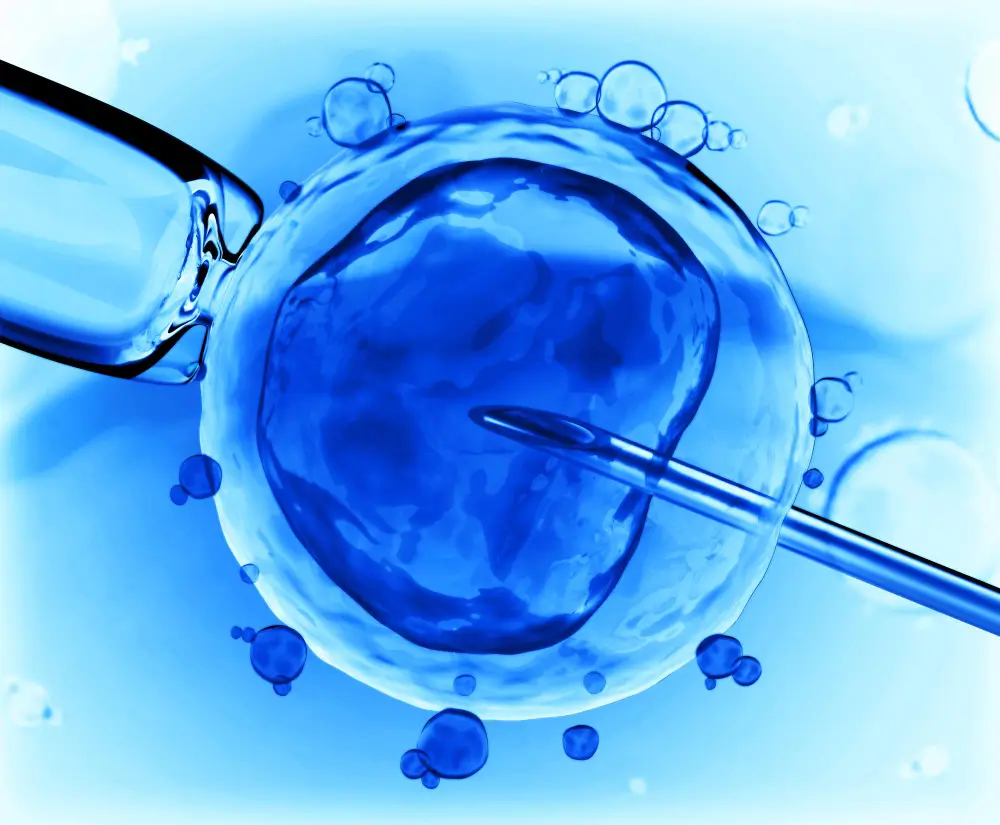
Egg freezing is a medical procedure that involves retrieving, freezing, and storing a woman’s eggs for future use. It is commonly used for fertility preservation, allowing women to delay pregnancy for personal, medical, or professional reasons.
Why Women Choose Egg Freezing
- Career or education goals
- Delaying parenthood
- Medical conditions affecting fertility
- Lack of a current partner
- Family planning flexibility
Egg freezing provides control and peace of mind when planning for the future.
Why Age Matters in Egg Freezing
Age is the most important factor influencing egg quality and success rates.
Fertility and Age Decline
- Women are born with a finite number of eggs
- Egg quality decreases over time
- Fertility declines significantly after age 35
Freezing eggs earlier helps preserve healthier eggs and improves future pregnancy chances.
Best Age to Freeze Your Eggs
Late 20s to Early 30s (Ideal Window)
- Highest egg quality
- Better success rates
- Fewer cycles needed
Early to Mid-30s
- Still a good option
- Slight decline in egg quality
- May require more eggs for similar success
Late 30s and Beyond
- Reduced egg quality
- Lower success rates
- More cycles may be required
While egg freezing is still possible, earlier intervention provides better outcomes.
Understanding the Egg Freezing Process
Step 1: Initial Consultation and Testing
Doctors evaluate ovarian reserve, hormone levels, and overall reproductive health.
Step 2: Ovarian Stimulation
Hormonal medications are used to stimulate the ovaries to produce multiple eggs.
Step 3: Egg Retrieval
Eggs are collected through a minimally invasive procedure under sedation.
Step 4: Freezing and Storage
Eggs are frozen using advanced techniques like vitrification and stored for future use.
Egg Freezing Success Rates
Success rates depend on several factors, primarily age at the time of freezing.
Key Factors Affecting Success
- Age at freezing
- Number of eggs retrieved
- Egg quality
- Overall health
General Trends
- Higher success rates for women under 35
- Moderate success rates for ages 35–38
- Lower success rates after 38
Freezing more eggs increases the chances of successful pregnancy later.
Benefits of Egg Freezing
- Preserves fertility for future use
- Reduces pressure of biological clock
- Provides reproductive flexibility
- Supports medical needs (e.g., cancer treatment)
- Offers peace of mind
Egg freezing empowers women to make decisions on their own timeline.
Who Should Consider Egg Freezing?
Egg freezing is ideal for women who:
- Want to delay pregnancy
- Have a family history of early menopause
- Are undergoing medical treatments affecting fertility
- Want to preserve fertility for future planning
Early consultation can help determine the best approach.
Risks and Considerations
While generally safe, egg freezing involves some considerations:
Possible Risks
- Hormonal side effects
- Mild discomfort during retrieval
- Financial cost
- No guaranteed pregnancy
Understanding these factors helps in making informed decisions.
Egg Freezing in NYC: What to Expect
NYC offers advanced fertility care with experienced specialists and cutting-edge technology.
What Makes NYC Clinics Stand Out
- Personalized fertility plans
- Advanced freezing techniques
- High-quality medical care
- Comprehensive support
Patients receive guidance throughout the entire process.
How Functional Medicine Supports Fertility
Functional medicine enhances fertility by addressing underlying health issues.
Supportive Approaches
- Nutritional optimization
- Hormonal balance
- Stress reduction
- Detoxification
These strategies improve overall reproductive health and outcomes.
Tips for Improving Egg Freezing Success
- Maintain a healthy diet
- Avoid smoking and alcohol
- Manage stress levels
- Get regular exercise
- Follow medical advice
Healthy lifestyle choices can improve egg quality and overall success.
Long-Term Benefits of Egg Freezing
- Increased chances of future pregnancy
- Greater reproductive control
- Reduced stress about fertility
- Flexibility in life planning
Egg freezing is an investment in future family-building options.
Why Choose Patients Medical in NYC
Patients Medical provides a holistic and personalized approach to fertility preservation.
What Sets Them Apart
- Individualized treatment plans
- Integrative and functional medicine approach
- Advanced diagnostic testing
- Focus on long-term reproductive health
Their goal is to help women make informed and confident decisions about fertility.
Take Control of Your Fertility Today
If you are considering egg freezing, the best time to act is now. Early planning can significantly improve your chances of success.
📞 Call: (212) 794-8800
📧 Email: info@patientsmedical.com
Schedule your consultation today and take the first step toward securing your future fertility.
FAQs
Q. What is the best age to freeze eggs?
A. The ideal age is typically between the late 20s and early 30s when egg quality is highest.
Q. How long can frozen eggs be stored?
A. Eggs can be safely stored for many years without significant decline in quality.
Q. Is egg freezing guaranteed to result in pregnancy?
A. No, while it improves chances, success depends on several factors including age and egg quality.
Q. Is the egg freezing process painful?
A. Most women experience minimal discomfort, as the procedure is performed under sedation.
Q. How many eggs should be frozen for better success?
A. Doctors often recommend freezing multiple eggs (10–20+) to increase the chances of future pregnancy.

Dr. Kulsoom Baloch
Dr. Kulsoom Baloch is a dedicated donor coordinator at Egg Donors, leveraging her extensive background in medicine and public health. She holds an MBBS from Ziauddin University, Pakistan, and an MPH from Hofstra University, New York. With three years of clinical experience at prominent hospitals in Karachi, Pakistan, Dr. Baloch has honed her skills in patient care and medical research.
- Dr. Kulsoom Baloch

- Dr. Kulsoom Baloch

- Dr. Kulsoom Baloch

- Dr. Kulsoom Baloch