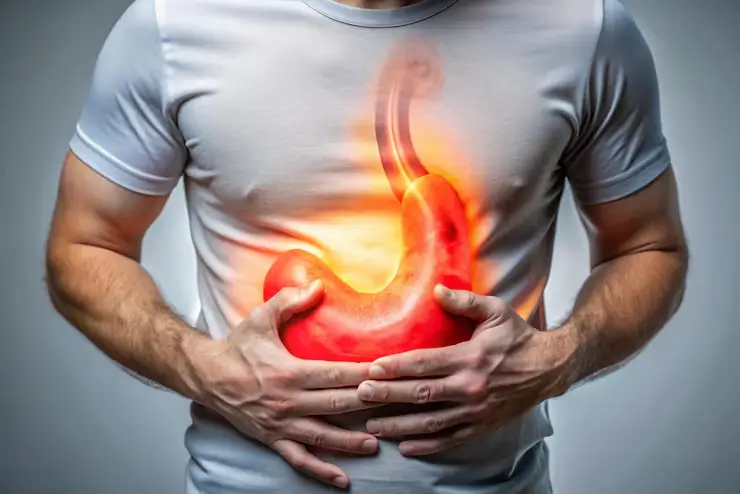
I am sure that everyone knows about ulcers in the stomach because sometimes one day everything is okay with a cup of coffee, and the next day it provokes pain in the stomach for several hours. However, the first thing everyone asks about is which drink is allowed. It is extremely important because drinks can either reduce irritation and heal or aggravate ulcers. However, in order to start talking about what drinks are recommended, it is necessary to explain what a peptic ulcer is and why it differs from other conditions like GERD.
What Is a Peptic Ulcer?
Peptic ulcers are characterized by the formation of ulcers in the lining of the stomach and at the top section of the intestines. This occurs due to erosion of the protective lining in the stomach by the acid in the stomach. The main cause of peptic ulcers includes H. pylori infection and consumption of NSAIDs. Some of the risk factors of peptic ulcers include excessive consumption of alcohol and smoking.
Peptic Ulcer Symptoms
Peptic ulcers may present in the form of mild discomfort or moderate pain and include:
– Feeling of burning or gnawing in the stomach located in the upper abdomen area, just above the navel and beneath the breastbone
– Gas, bloating, and feeling of being full immediately after consuming even a small amount of food
– Nausea and vomiting
– Loss of appetite and weight loss
– Heartburn-like discomfort that does not disappear entirely after taking antacids
– Stool that appears dark or vomited blood that has the appearance of coffee-ground – indicating internal bleeding requiring immediate attention
Gastric Ulcer vs Duodenal Ulcer: What’s the Difference?
The word “ulcer” is often used in reference to a disease in general, but the fact of the matter is that there are significant differences between a stomach ulcer and a duodenal ulcer.
Gastric Ulcer
A gastric ulcer is formed within the lining of the stomach. The pain experienced from a gastric ulcer is heightened when one eats since eating leads to the secretion of acid, leading to further irritation of the lining of the stomach, which is already irritated. This means that people with ulcers do not consume much food owing to the pain, making them underweight. Gastric ulcers are associated more with NSAIDs.
Duodenal Ulcer
The duodenal ulcer is the name of an ulcer that occurs in the duodenum. Symptoms of the duodenal ulcer are observed when the stomach is empty or at night because consuming food provides immediate relief through the neutralization of the stomach acid by food. Duodenal ulcers are usually the most common type of peptic ulcer disease, and they are tightly linked with H. pylori infection.
A pretty straightforward way to tell the difference between a duodenal ulcer and a gastric ulcer is this: if the issue is in the stomach, you tend to feel pain when you eat, but with a duodenal ulcer, the pain shows up when there is no food sitting in the stomach.
Still, the real answer, like 100% certain, is you have to get an endoscopy to confirm if it is actually duodenal or gastric.
Gastric Ulcer Types
But gastric ulcers are not all the same. For instance, they can be classified as:
- Acute Gastric Ulcer: Such an ulcer happens very quickly, as a result of overuse of NSAIDs, injury, illness, or consumption of large amounts of alcohol.
- Chronic Gastric Ulcer: Lasts for several weeks or months as a result of the existence of some underlying factor such as infection by Helicobacter pylori that was not dealt with. The ulcer is more dangerous because there is a chance of complications such as bleeding or perforation in very few instances.
- Stress Ulcers: They affect people who are sick or hospitalized; these ulcers occur as a result of a sudden decrease in blood flow to the stomach lining.
How GERD Fits Into the Picture
The disease, called GERD or Gastroesophageal Reflux Disease, gets kinda lumped together with peptic ulcers sometimes, even though the clues seem sort of overlapping, you know, burning in the chest or belly, nausea, and discomfort after meals. But really the story is a bit sideways here: GERD usually shows up when stomach acid refluxes back up into the esophagus, mostly because the little valve between those two parts of the digestive tract isn’t working the way it should. In contrast, ulcers are really about a genuine break in the mucosal lining of the stomach and/or duodenum, so it’s more of an actual wound rather than mere backflow.
There is always the possibility that one can have GERD and an ulcer at the same time, with GERD often causing irritation that aggravates the ulcer. If, in addition to other symptoms, you have a sour taste in your mouth or pain when lying down, it is possible that there is GERD as well.
Medicine for Gastric Ulcer
There are diet plans and drinks that help with recovery from the condition, but they cannot be a replacement for the correct therapy. The conventional medical approach to a gastric ulcer depends on the causes and involves one or several of the following:
- Proton pump inhibitors (PPIs), like omeprazole and pantoprazole, which reduce acid secretion and help the healing of the ulcers
- H2 receptor antagonists, like famotidine, which reduce acid secretion, but not as well as PPIs
- Combination of several antibiotics for H. pylori-positive ulcers with PPIs
- Antacids as temporary measures to relieve symptoms but without addressing the root cause of the problem
- Cytoprotective agents such as sucralfate that create a protective layer in the ulcer area
What to Drink If You Have a Stomach Ulcer
Now that we have the basics covered, let’s move on to the types of beverages that can aid in soothing ulcers.
1. Water
This may seem like an obvious choice, but it is really one of the most effective things one can consume while suffering from ulcers. Keeping oneself hydrated helps to neutralize the stomach acids and aids in digesting food properly. The key is to drink water throughout the day and not in huge quantities all at once.
2. Milk (in Moderation)
Cold milk acts as an immediate and short-term treatment to alleviate pain as it forms a protective layer inside the stomach and neutralizes the acid. However, the effect of cold milk is only temporary because the milk causes the stomach to produce acid after some hours.
3. Cabbage Juice
Cabbage juice is among the best studied herbal treatment options available for treating ulcers. Cabbage juice is high in vitamins C and A, and also glutamine, and according to some studies, it helps reduce stomach acid and assists in the healing process of the lining of the stomach. Cabbage juice tastes very strong, and this is why it is usually mixed with another juice such as carrots or cucumbers.
4. Herbal Teas
Non-caffeinated herbal teas are usually pretty gentle on the stomach, while some other blends still seem to have their own quiet calming effects, which is nice.
- Chamomile tea has anti-inflammatory properties and may help ease irritation along the stomach lining.
- Ginger tea: it can calm nausea and minor inflammation, but it has to be made very mild, because certain people say ginger feels a bit irritating.
- Licorice root tea (deglycyrrhizinated) is traditionally used to help form stomach mucus, so your gut lining stays kind of protected.
5. Coconut Water
Coconut water has these hydrating properties; it is kinda naturally low in acidity, and it is also rich in electrolytes. Some people with ulcers say it feels comforting, like a decent swap for those fizzy and sugary drinks.
6. Aloe Vera Juice
Aloe vera juice is usually recommended for its anti-inflammatory effects on the mucous membrane. This juice should be taken in small quantities, and it should not get mixed with anything else.
7. Probiotic Drinks
Yogurt-based beverages or mild kefir can aid in maintaining the balance of bacteria in the digestive tract, which might make it easier for the body to handle H. pylori, along with the antibiotics that your doctor might prescribe.
Drinks to Avoid With an Ulcer
- Coffee and any drink that contains caffeine, as it increases the production of acid
- Carbonated drinks, as it creates pressure in the stomach
- Alcohol, as it irritates the stomach and causes thinning of its lining
- Acidic drinks like orange or grapefruit juice
- Hot or spicy drinks
When to See a Doctor
Sure, the diet changes can sort of help quiet the symptoms, but they usually don’t really reach the actual root of the ulceration itself, so it can feel like you’re doing something, and still the problem is kinda sitting there. If someone is dealing with intense discomfort, recurring flare-ups, or any clues that point toward bleeding, it’s better to consult a physician, just to sort out what condition is actually happening, because this really shouldn’t be handled only with home remedies, and honestly it may even get worse. A gastroenterologist can tell you whether the ulcer is in the duodenum or the stomach, and they can also look for H. pylori bacteria.
Frequently Asked Questions
Q. Does milk really help with an ulcer in the stomach?
A. Yeah, kind of, milk can give a short-lived calmer feeling because it forms a sort of protective layer, but later it can also push acid production higher within a few hours. So it might be fine occasionally, not as a real cure.
Q. What is the fastest method to relieve pain caused by ulcers?
A. Sipping water, a cool herbal tea, or coconut water, plus steering clear of trigger foods and drinks, usually helps pretty fast with mild symptoms. If it keeps coming back or if it gets severe, prescribed medication is typically needed along with dietary changes, and yeah, don’t just rely on home drinks.
Q. Does milk really help with an ulcer in the stomach?
A. Although GERD and peptic ulcers are different medical conditions, chronic GERD may be responsible for inflammation, making the lining of the stomach more prone to ulcers, and the two conditions usually coexist.
Q. How much time does it take to cure a gastric ulcer?
A. With proper medication, a gastric ulcer takes four to eight weeks to heal.

Rashmi Gulati
Rashmi Gulati, MD, provides innovative, individualized health care that nurtures mind, body, and spirit. Since 2004 she has been the medical director at Patients Medical, where she delivers comprehensive personalized health care, treating each patient as a respected, unique individual. Through their integrative health care center in the heart of Manhattan, Dr. Gulati and her colleagues have become premier care providers serving patients locally and throughout the world. Read more about the author →
- Rashmi Gulati

- Rashmi Gulati

- Rashmi Gulati

- Rashmi Gulati