Fast Facts:
- Hormones naturally change as women move through different life stages.
- Your 30s may bring subtle changes in periods, fertility and energy levels.
- Your 40s often involve perimenopause symptoms like hot flashes and mood changes.
- Your 50s commonly include menopause-related hormonal shifts.
- Healthy lifestyle habits and professional guidance can support hormone balance.
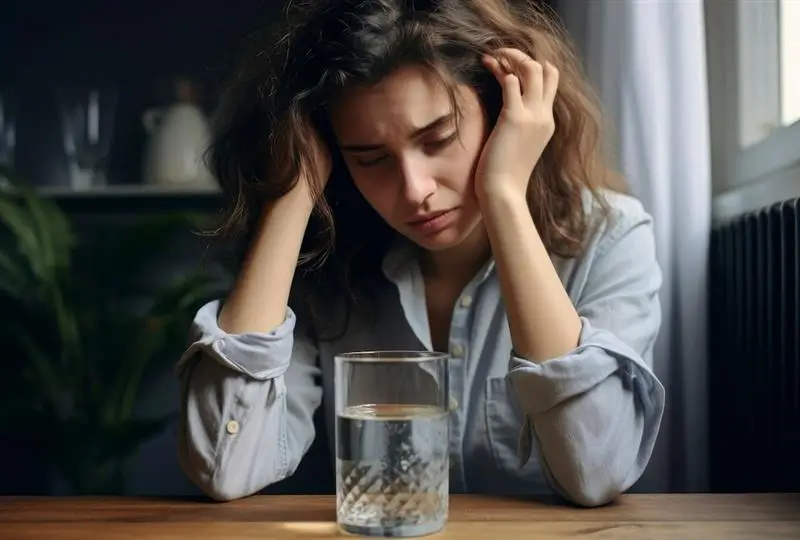
Hormones influence many parts of a woman’s health, including mood, energy, sleep, metabolism, and reproductive wellness. As women move through their 30s, 40s, and 50s, hormone levels naturally change. These changes can feel different for everyone. Some women notice small shifts, while others experience stronger symptoms. Understanding these changes can help you recognize what is happening in your body and make informed decisions about your health. Supporting women’s hormone health starts with awareness, healthy habits, and the right guidance when needed.
What Happens to Hormones in Your 30s?
Why do hormones start changing in your 30s?
During your 30s, hormone changes are usually gradual. Estrogen and progesterone levels may begin to fluctuate, although many women still have regular cycles and normal hormone function.
Some women may notice:
- Changes in menstrual patterns
- Increased PMS symptoms
- Changes in energy levels
- Difficulty managing weight
- Increased sensitivity to stress
Fertility may also naturally begin to decline during this decade because egg quality and hormone patterns slowly change with age.
Maintaining a balanced diet, exercising regularly, getting enough sleep, and managing stress can support healthy hormone function during this stage.
What Hormonal Changes Happen in Your 40s?
Are my symptoms in my 40s related to hormone changes?
Many women experience more noticeable hormone changes during their 40s because of perimenopause. This is the transition period before menopause when estrogen and progesterone levels become less predictable.
Common signs include:
- Irregular periods
- Hot flashes
- Night sweats
- Mood changes
- Sleep problems
- Brain fog
- Changes in weight
- Lower energy
Every woman experiences perimenopause differently. Some may have mild symptoms, while others may need additional support. Working with a healthcare professional, including a holistic hormone specialist NYC, can help identify possible causes and create a personalized approach.
How Do Hormones Change in Your 50s?
What should women expect during menopause?
For many women, the 50s bring menopause, which occurs when menstrual periods permanently stop. During this time, estrogen levels decrease significantly.
Lower estrogen can affect several areas of health, including:
- Bone strength
- Heart health
- Sleep quality
- Skin health
- Vaginal health
- Emotional well-being
Common menopause symptoms include hot flashes, night sweats, mood changes, and changes in metabolism.
Understanding these changes helps women take proactive steps. A healthcare provider can recommend appropriate options based on symptoms, lifestyle and overall health goals.
Can Natural Approaches Support Hormone Balance?
Are hormone imbalance natural supplements helpful?
Many women are looking into ways to alter their lifestyles and explore natural alternatives to improve their hormone health. Certain supplements can help address certain issues; however, they must be carefully considered as well as discussed with a licensed medical professional.
Common supportive habits include:
- Eating protein-rich and nutrient-dense foods
- Reducing excessive sugar intake
- Staying physically active
- Prioritizing quality sleep
- Practicing stress management techniques
Women should avoid taking supplements without understanding their ingredients and how they may interact with their health needs.
When Should You Seek Professional Help for Hormone Changes?
How do I know if I need hormone support?
If symptoms begin affecting your daily life, it may be helpful to speak with a healthcare professional. A proper evaluation can help identify whether symptoms are connected to normal aging, lifestyle factors or hormone-related concerns.
A trusted hormonal imbalance treatment center in New York can provide guidance, testing options, and personalized care plans to help women better understand their hormone health.
Contact Our Team for Hormone Health Support
If you have concerns about hormonal changes or want professional guidance, our team at Patients Medical can help you understand your options.
- Email: info@patientsmedical.com
- Phone: (212) 794-8800
Frequently Asked Questions –
Q. What are the most common signs of hormonal changes in women?
A. Common signs include mood changes, irregular periods, sleep problems, weight changes, hot flashes, and low energy.
Q. Do hormone changes begin in your 30s?
A. Yes. Hormone changes can begin gradually in your 30s, although symptoms vary from person to person.
Q. What happens during perimenopause?
A. Perimenopause is the transition before menopause. Hormone levels fluctuate and may cause symptoms such as irregular periods, hot flashes and mood changes.
Q. Can lifestyle changes improve hormone health?
A. Healthy eating, regular exercise, proper sleep, and stress management can support overall hormone wellness.
Q. Should I take supplements for hormone balance?
A. Supplements may help some people, but it is best to consult a healthcare professional before starting any new supplement.

Rashmi Gulati
Rashmi Gulati, MD, provides innovative, individualized health care that nurtures mind, body, and spirit. Since 2004 she has been the medical director at Patients Medical, where she delivers comprehensive personalized health care, treating each patient as a respected, unique individual. Through their integrative health care center in the heart of Manhattan, Dr. Gulati and her colleagues have become premier care providers serving patients locally and throughout the world. Read more about the author →
- Rashmi Gulati
- Rashmi Gulati

- Rashmi Gulati

- Rashmi Gulati